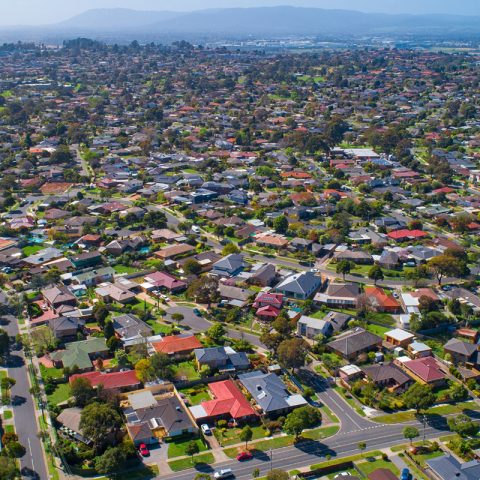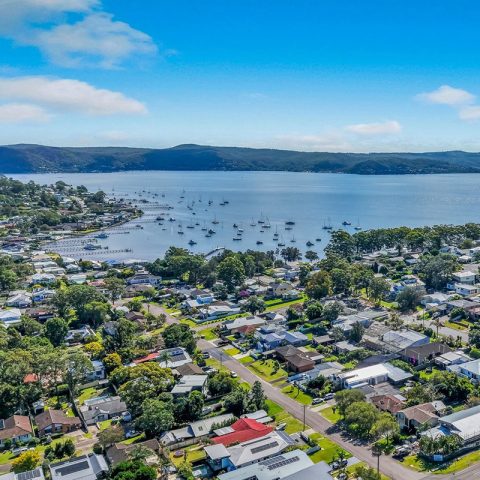
For first home buyers, 2025 was a year that highlighted just how challenging the market has become.
Despite wage growth and some relief on interest rates, the share of homes within reach of first home buyer budgets continued to fall. Only a small portion of Australia’s housing stock is now affordable for an average first home buyer household. Just a few years ago, that portion was significantly larger. The pace of change has been confronting.
Strong price growth across Western Australia, Queensland and South Australia delivered excellent results for owners, but it also reduced affordability for new entrants. Entry prices moved quickly, leaving many buyers struggling to keep up.
South Australia and Western Australia remain the most accessible states, with roughly a quarter of stock still within reach. That does not mean buying is easy. It means options still exist for buyers who are flexible. Queensland sits in the middle. Around 15 percent of stock remains accessible, but competition is intense. Properties attract multiple buyers, and hesitation often means missing out. Victoria and New South Wales are the most difficult markets. In Melbourne, affordable options are limited. In Sydney, they are even scarcer. Many buyers simply cannot make the numbers work without compromise.
Compounding the issue is the type of housing being built. Over recent years, the share of new homes delivered at lower price points has fallen steadily. Rising construction costs and land prices have pushed new supply beyond the reach of many first home buyers. This means the affordability challenge is not just about demand. It is about supply that no longer matches the needs of buyers entering the market.
For first home buyers, strategy matters more than ever. Flexibility on property type, suburb and timing can make the difference. Preparation, realistic expectations and clear decision-making are critical. Opportunities still exist, but they are harder to find and easier to miss.