Movement away from capital cities and into regional areas continues to reshape the national housing landscape. More households are reassessing lifestyle, affordability, and long term flexibility, and the data shows that this shift is not slowing down.
The latest Regional Movers Index recorded a 2.5% increase in people relocating from capital cities to regional centres in the September 2025 quarter. While the pace of growth has moderated from earlier pandemic driven highs, overall migration from capital cities into regional Australia remains elevated and well above pre 2020 norms.
During the quarter, moves from capital cities to regional locations accounted for 11.5% of all major relocations nationwide. By comparison, moves in the opposite direction represented just 8.4%. This ongoing imbalance confirms that the net flow continues to favour regional destinations rather than inner city living.
Sydney and Melbourne recorded the largest absolute losses of residents to the regions. This is partly due to their size, but also reflects affordability pressure, housing density, and lifestyle trade offs. Smaller capitals are now following a similar pattern, although from a lower base. Brisbane increased its share of net regional movers from 1% a year earlier to 2% in the latest quarter. Adelaide recorded a more pronounced shift, rising from 2% to 6%. Perth moved from a position of net inflows to recording a net outflow, now accounting for 3% of total regional migration.
These changes suggest that regional relocation is no longer confined to a few standout markets. Instead, it is broadening across multiple states as buyers look for better value, improved liveability, or more space without sacrificing employment access.
Certain regions continue to outperform others when it comes to attracting new residents. The Sunshine Coast remains the most popular destination nationally, retaining its position as the leading regional drawcard. Its combination of coastal lifestyle, expanding health and education infrastructure, and improved transport connectivity continues to resonate with both owner occupiers and investors.
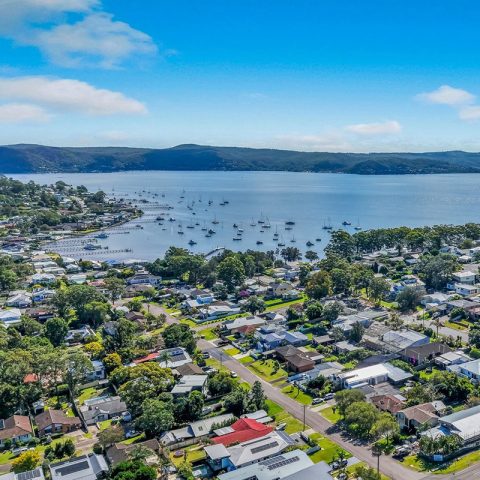
Greater Geelong in Victoria ranked second, benefiting from proximity to Melbourne, significant infrastructure investment, and strong employment links. Lake Macquarie in New South Wales followed, supported by affordability relative to Sydney and access to both coastal and employment hubs. The Fraser Coast in Queensland and Moorabool in Victoria rounded out the top five, highlighting the diversity of regions experiencing strong inflows.
For buyers, these migration patterns matter. Sustained population growth supports housing demand, underpins rental markets, and often precedes infrastructure upgrades and service expansion. However, not all growth is equal. Understanding where demand is being driven by long term fundamentals rather than short term trends is critical when assessing risk and opportunity.
Regions with diversified employment bases, access to healthcare and education, and genuine lifestyle appeal are better positioned to absorb growth without creating oversupply or infrastructure strain. This is where local insight and careful suburb selection become essential.
As regional migration remains elevated, competition in popular locations is increasing. Buyers who rely solely on headline growth figures risk overpaying or missing better value pockets just outside the obvious hotspots. A measured approach, grounded in data and on the ground knowledge, remains the safest way to navigate this evolving landscape.