Residential construction expenses continue to climb, placing additional pressure on affordability and project feasibility. The Altus Group Australian Construction Price Outlook Q4 2025 reports that copper prices have increased by 16.5% over the past 12 months, significantly outpacing general inflation.
Demand from electrification initiatives, renewable energy expansion and data centre development has intensified competition for copper supply. Unlike some materials, copper cannot be substituted easily once construction reaches advanced stages, embedding higher costs into electrical, plumbing and mechanical systems.
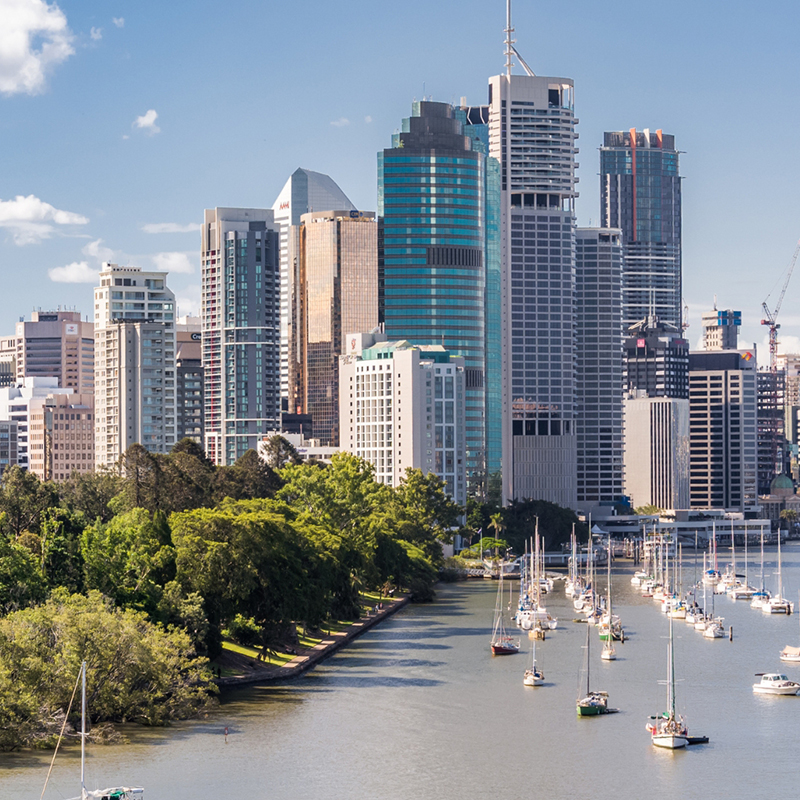
Concrete prices are also rising, further elevating total build costs. Brisbane has overtaken Sydney as the most expensive city in which to construct residential property, largely due to Olympic infrastructure projects increasing demand for labour and materials.
Extended construction timelines are compounding cost pressures by increasing financing and holding expenses. Although housing approvals and commencements have improved, completions have lagged. Evidence suggests some approvals are pursued to enhance land values rather than immediately proceed to delivery.
Escalating material and labour costs reduce feasibility margins and may delay projects in price-sensitive markets. Developers must carefully manage procurement strategies and contingencies to mitigate financial risk.
Delivering approximately 260,000 dwellings annually, as required to meet policy targets, will remain challenging if cost inflation persists. Stabilising supply chains, expanding workforce capacity and improving planning efficiency are essential components of the solution.
Rising build costs ultimately flow through to end buyers, reinforcing the interconnected relationship between construction economics, planning reform and long-term housing affordability.