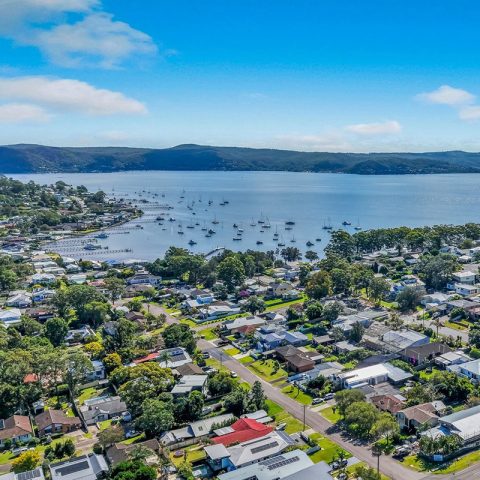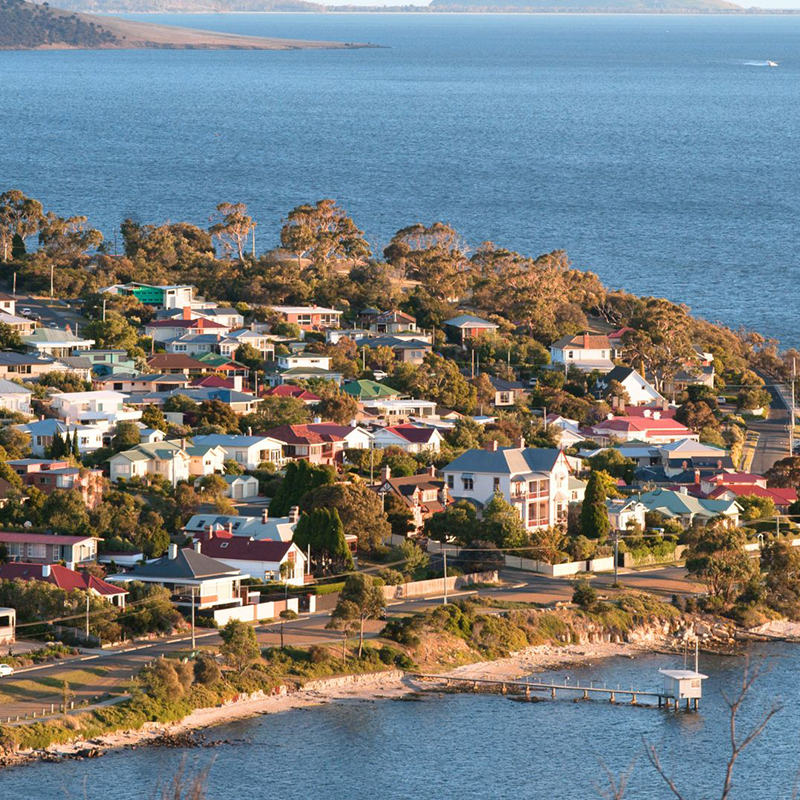
Regional markets are now front and centre in the housing conversation, and the pressure is building.
With close to ten million Australians living outside capital cities, the demand for housing in these areas has reached a point where policy can no longer afford to overlook it.
The Housing Industry Association has made it clear that a national housing plan specifically for regional Australia is needed. According to Simon Croft, the current one-size-fits-all approach simply does not work for areas that face very different challenges to metropolitan markets.
Population growth is one of the key drivers here. Regional communities are absorbing a significant share of new residents, particularly as people seek affordability, lifestyle and flexibility. But housing supply has not kept pace. The result is a tightening market where availability is limited and rents are rising.
This creates a flow-on effect. Businesses struggle to attract workers if housing is scarce. Families find fewer options, and younger buyers face barriers similar to those seen in capital cities. In some cases, the situation is even more pronounced.
Croft’s argument that housing should be treated as critical infrastructure is an important one. In regions expected to support future population growth, housing availability underpins economic performance. Without it, growth stalls.
From an investor’s perspective, this imbalance between supply and demand can create opportunity. Tight markets often lead to stronger rental yields and upward pressure on prices. But it also requires a more careful approach.
Not all regional markets are equal. Some are supported by strong local economies, infrastructure investment and employment growth. Others rely on a single industry or have limited long-term drivers. Understanding that difference is key.
There is also a structural shift underway. Remote work has allowed more people to live outside major cities without sacrificing career opportunities. Improved transport links and digital connectivity are making regional areas more accessible and more attractive.
For Brisbane-based investors, this opens up a broader strategy. It’s not just about the capital city itself, but the surrounding regional markets that are benefiting from spillover demand. Areas within commuting distance or lifestyle reach of Brisbane are particularly well positioned.
As policy begins to respond, we are likely to see more targeted initiatives aimed at increasing housing supply in regional areas. When that happens, it could unlock further growth, particularly in markets that already have strong fundamentals.
The key is to approach regional investing with the same level of discipline as a capital city purchase. Look at employment drivers, infrastructure pipelines and population trends. Avoid chasing hype and focus on areas with genuine demand.
Regional markets are no longer a niche play. They are an essential part of the broader property landscape, and their role is only going to grow.