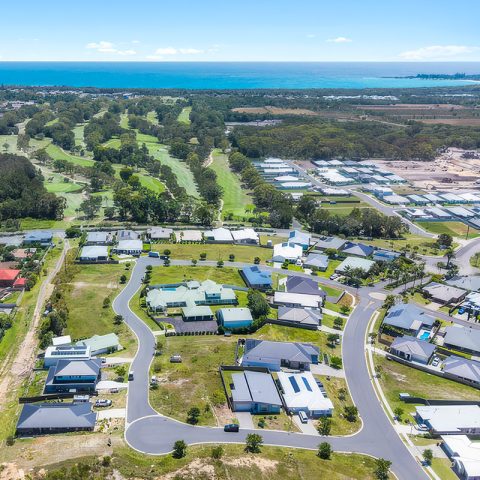
A significant demographic milestone has been reached, with the nation’s population surpassing 28 million people. The achievement highlights the remarkable pace of growth experienced over recent decades and underscores the important role migration continues to play in shaping the country’s economic and social landscape. The latest figure represents an increase of 10 million people since 1995, demonstrating just how rapidly the population has expanded over the past three decades.
The milestone is particularly noteworthy given the substantial decline in fertility rates recorded over the same period. Recent data indicates the fertility rate has fallen to 1.48 births per woman, well below the level required for natural population replacement. This means that, on average, couples are no longer having enough children to replace themselves in the population. In many developed nations, declining birth rates have become a significant demographic challenge, contributing to ageing populations and increased pressure on workforce participation.
Despite this decline in fertility, overall population growth has remained strong. Data from the Australian Bureau of Statistics (ABS) Population Clock shows that migration has become a major contributor to population expansion. The most recent one million residents were added in less than three years, illustrating the extent to which overseas arrivals have accelerated growth in recent years.
The pace of change is striking. According to ABS estimates, the population increases by approximately one person every one minute and 15 seconds. While population growth has long been a feature of national development, the speed at which recent milestones have been achieved has exceeded many earlier forecasts.
Historical projections provide a useful comparison. In 2003, population forecasts suggested that the country would not reach 26.4 million residents until 2051. However, stronger-than-expected migration levels and sustained growth patterns have significantly altered those expectations. Current ABS projections now indicate that the total population could reach 30 million by 2031, decades earlier than some previous estimates anticipated.
Growth has not occurred evenly across all states and territories. Western Australia recorded the strongest annual population increase in the year to October 2025, expanding by 2.2%. Strong economic activity, employment opportunities and interstate migration have all contributed to the state’s performance. Queensland and Victoria followed closely, each recording growth of 1.7%.
The Northern Territory experienced population growth of 1.4%, while the Australian Capital Territory recorded an increase of 1.3%. South Australia grew by 1.1%, reflecting continued steady expansion. Tasmania recorded the slowest growth rate nationally at 0.3%, although population gains remain positive.
The varying growth rates highlight the different economic and lifestyle factors influencing migration patterns. States experiencing strong employment growth, infrastructure investment and housing development tend to attract a larger share of both overseas and interstate migrants. Lifestyle considerations, including climate and affordability, also continue to influence where people choose to live.
According to ABS Demography Director Beidar Cho, one of the most notable aspects of the nation’s population story is the consistency of growth over time. The population growth rate has averaged approximately 1.6% annually during the past two decades, demonstrating a relatively stable long-term trend despite periods of economic uncertainty and global disruption.
Population growth carries both opportunities and challenges. Expanding populations can support economic growth, increase workforce participation and create demand for goods and services. Growing communities also help sustain infrastructure investment and contribute to broader economic activity.
At the same time, rapid growth can place pressure on housing supply, transport networks, healthcare services and education facilities. Governments at all levels continue to face the challenge of ensuring infrastructure keeps pace with population expansion. Housing affordability, in particular, remains closely linked to demographic trends as growing populations increase demand for accommodation.
The property sector is among the industries most directly affected by population growth. Increased demand for housing can support residential construction activity, influence rental markets and contribute to rising property values in areas experiencing strong migration inflows. Investors, developers and policymakers frequently monitor demographic data closely because population movements often provide insight into future housing demand.
As the population moves beyond 28 million and progresses towards the next major milestone, demographic trends will remain a key factor shaping economic planning and policy decisions. Whether through migration, natural increase or regional population shifts, the composition and size of the population will continue to influence housing, employment, infrastructure and community development for years to come.