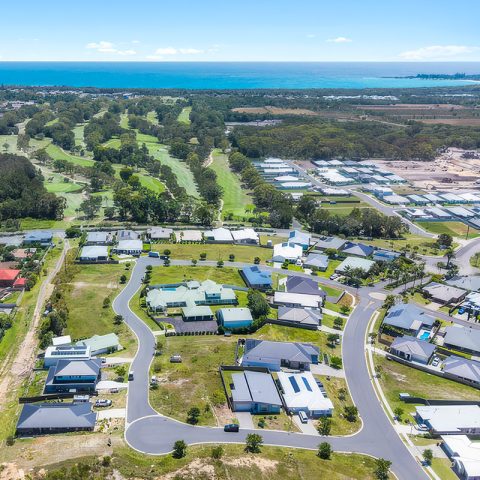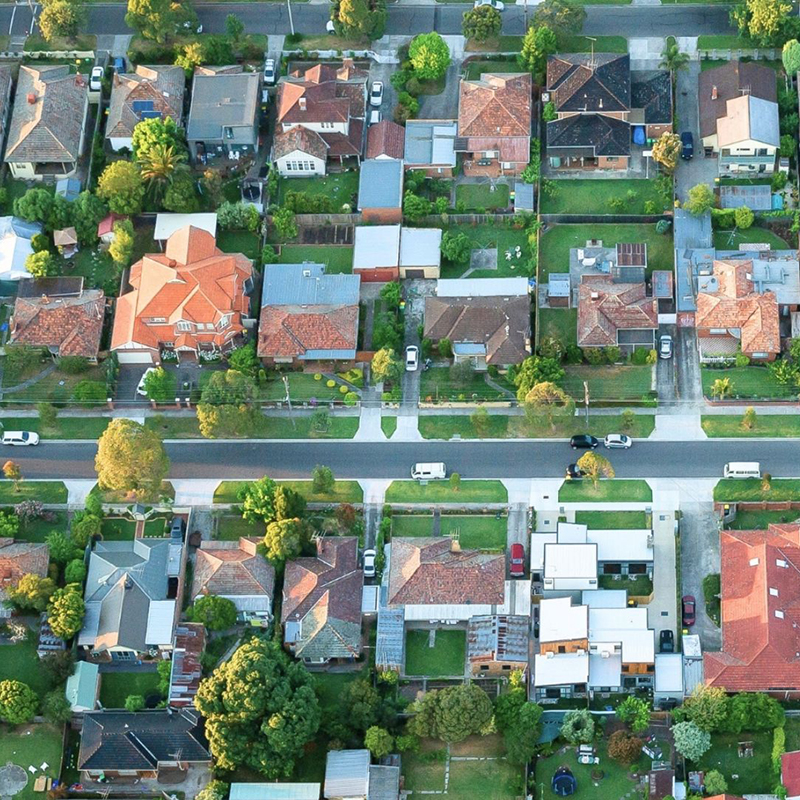
Residential land values have continued to push higher over the past year, reinforcing a broader trend of constrained supply and sustained buyer demand across key Australian markets. The latest Housing Industry Association data shows residential land prices are now 9.4% higher than they were 12 months ago, placing them well ahead of broader inflationary pressures. In fact, land price growth has been tracking at almost three times the rate of consumer price growth throughout 2025, highlighting just how strongly underlying housing demand is competing for limited developable stock.
By the December quarter of 2025, Australia’s median residential land price reached a record high of $397,840. That figure reflects more than just short-term market movement. It points to a structural issue that has been building for years, where the supply of ready-to-build lots is not keeping pace with population growth, infrastructure delivery timelines, and construction feasibility.
Senior Economist Tom Devitt has pointed directly to this imbalance, noting that the recent reacceleration in lot prices underscores the need to unlock more shovel-ready land supported by essential infrastructure. His commentary highlights a consistent theme across the housing sector: the constraint is not simply demand strength, but the system’s ability to deliver serviced land at scale and speed.
Devitt also emphasises that this supply constraint has been the dominant limitation on new home construction for decades, even more influential than the well-publicised pressures of rising material costs and labour shortages. In other words, even when builders are ready and demand is strong, the pipeline of deliverable land often slows the entire system down.
This is particularly visible when examining price trends across major cities. Perth, Brisbane, and Adelaide have each recorded successive years of record high land prices, driven largely by strong housing demand and their leadership in the national home building recovery cycle. These cities have experienced sustained buyer activity as population growth, interstate migration, and relative affordability compared to Sydney and Melbourne continue to redirect demand.
More recently, Sydney, Melbourne, and Hobart have also joined this trend, recording their own record high land prices after a slower start to the cycle. This convergence across both high-growth and traditionally more expensive markets reinforces a national pattern rather than isolated local conditions.
What stands out most is how consistent the drivers are across regions. Population growth remains steady, household formation continues, and buyer competition for well-located land is intensifying. At the same time, the release of new land is being slowed by infrastructure staging, planning delays, and the increasing complexity of delivering serviced communities. Roads, utilities, transport links, and social infrastructure all need to align before land can be released at scale, and that coordination challenge has become one of the biggest bottlenecks in the system.
For buyers and investors, these conditions create a layered market dynamic. On one hand, rising land values can support long-term capital growth for those already positioned in well-located areas. On the other, affordability pressure continues to build, particularly for first home buyers and upgraders trying to enter detached housing markets in growth corridors.
The ripple effect is also being felt across construction pipelines. When land becomes more expensive and harder to secure, the timing and feasibility of new housing projects can shift significantly. Developers are increasingly required to carefully stage releases, balance holding costs, and anticipate infrastructure delivery timelines well in advance of actual construction.
This is where the concept of “shovel-ready” land becomes critical. Without pre-installed infrastructure such as water, sewerage, transport access, and power, even well-located parcels of land cannot immediately transition into housing supply. As Devitt notes, this gap between planning intent and physical delivery remains one of the most persistent challenges in the Australian housing system.
Looking ahead, land price growth is likely to remain closely tied to infrastructure investment cycles and government planning responsiveness. Areas that benefit from coordinated transport upgrades, employment precinct expansion, and staged residential releases will continue to attract stronger demand and pricing pressure. Conversely, regions with slower infrastructure rollout may see more uneven growth patterns, even where underlying demand remains strong.
Ultimately, the record high median land price of $397,840 is not just a milestone figure. It reflects a deeper structural reality in the housing market: demand is steady, but supply is constrained by time, process, and delivery complexity. Until those constraints are meaningfully addressed, land values are likely to remain under upward pressure, particularly in cities leading the next wave of residential expansion.
For market participants, the key focus is shifting from simply “where is land cheapest” to “where is land actually deliverable.” That distinction is becoming increasingly important in understanding both risk and opportunity in the current cycle.