Choosing where to live involves far more than comparing property prices. The quality of everyday life, access to services, connection to nature, transport options and the overall feel of a city all play an important role in how people experience a place. Recent global rankings highlight that several Australian cities continue to perform strongly when measured against these broader lifestyle factors.
Sydney, Melbourne and Perth have all been recognised among the world’s top 20 most liveable cities in Monocle’s 2026 Quality of Life Survey. The annual survey assesses cities around the world based on the factors that influence daily life, including safety, connectivity, governance, green spaces, culture, retail and hospitality.
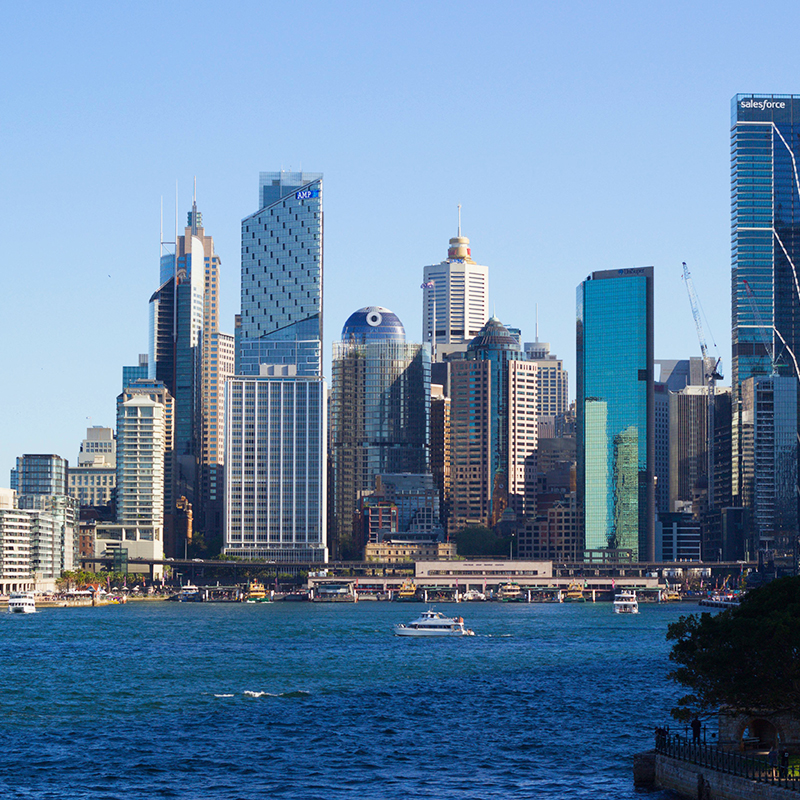
Sydney achieved the highest ranking of any Australian city, securing fifth place globally. The result reflects the city’s combination of natural advantages, infrastructure investment and lifestyle appeal.
One of Sydney’s major strengths is its ongoing focus on improving connectivity. The survey recognised significant transport infrastructure projects that are helping make the city easier to navigate and more accessible for residents. Better transport links are increasingly important as cities grow, allowing people to access employment, education, recreation and services more efficiently.
Beyond infrastructure, Sydney’s natural environment remains one of its defining features. Sydney Harbour, coastal beaches and extensive outdoor spaces contribute to a lifestyle that is difficult for many global cities to replicate. The ability to move between urban convenience and natural surroundings is a major attraction for residents and visitors alike.
For property buyers, liveability factors often influence long-term demand. Suburbs that offer convenient access to employment hubs, public transport, lifestyle amenities and recreational spaces tend to attract stronger buyer interest because they support the way people want to live.
Melbourne ranked 16th globally in the survey, continuing its reputation as one of the world’s leading cultural cities. The city was recognised for its culinary reputation, café culture, sporting events, arts scene and access to nature.
Melbourne’s appeal has historically been built around its neighbourhoods. From established inner suburbs with heritage character to emerging precincts undergoing renewal, the city offers a wide range of lifestyle options for different types of buyers.
Its strong food and hospitality scene remains a major drawcard, while sporting and cultural events contribute to a sense of community and identity. Melbourne’s extensive parklands and access to surrounding natural areas also provide residents with opportunities to enjoy outdoor spaces despite living within a major metropolitan area.
These lifestyle strengths continue to support property demand, particularly in suburbs where residents can enjoy proximity to employment, education and entertainment options. Buyers often look beyond the property itself and consider whether a location will continue to appeal to future residents.
Perth secured 20th place in the global rankings, with the city recognised for its sunshine, beaches, riverfront spaces and access to nature. The Western Australian capital has undergone significant transformation in recent years, with major infrastructure projects helping reconnect parts of the city and improve the urban experience.
Projects including Perth City Link and Elizabeth Quay have played an important role in reshaping the city centre. These developments have improved connections between key areas while creating new opportunities for residential, commercial and lifestyle activity.
Perth’s combination of outdoor lifestyle, affordability compared with some eastern capital cities and economic strength has also attracted increased attention from buyers. The city’s resources sector continues to underpin employment, while population growth and investment are supporting broader development.
For people considering a move or property purchase, liveability rankings provide useful insight, but they are only one part of the decision-making process. Every buyer has different priorities. Some may value proximity to work, while others may prioritise schools, beaches, parks or future growth potential.
A city’s overall ranking does not mean every suburb will perform equally. Within each capital city, there are significant differences between locations. Understanding those differences is where local market knowledge becomes valuable.
A suburb with strong fundamentals today may continue attracting demand as infrastructure improves, employment expands and communities develop. On the other hand, some locations may appear attractive but lack the long-term drivers needed to support future growth.
For buyers, the challenge is identifying areas where lifestyle appeal and property fundamentals align. Locations with strong amenity, transport connections and community appeal often demonstrate resilience because they remain desirable across different market conditions.
The recognition of Sydney, Melbourne and Perth reinforces the strength of Australian cities on the global stage. While housing affordability remains a major challenge, these rankings highlight why demand continues to exist. People are not only buying houses, they are buying access to lifestyle, opportunity and the everyday experiences that make a location feel like home.
Understanding what makes a city liveable can also help buyers make more informed property decisions. The best opportunities are often found where lifestyle advantages combine with future growth potential, creating locations that continue to appeal long after the initial purchase.