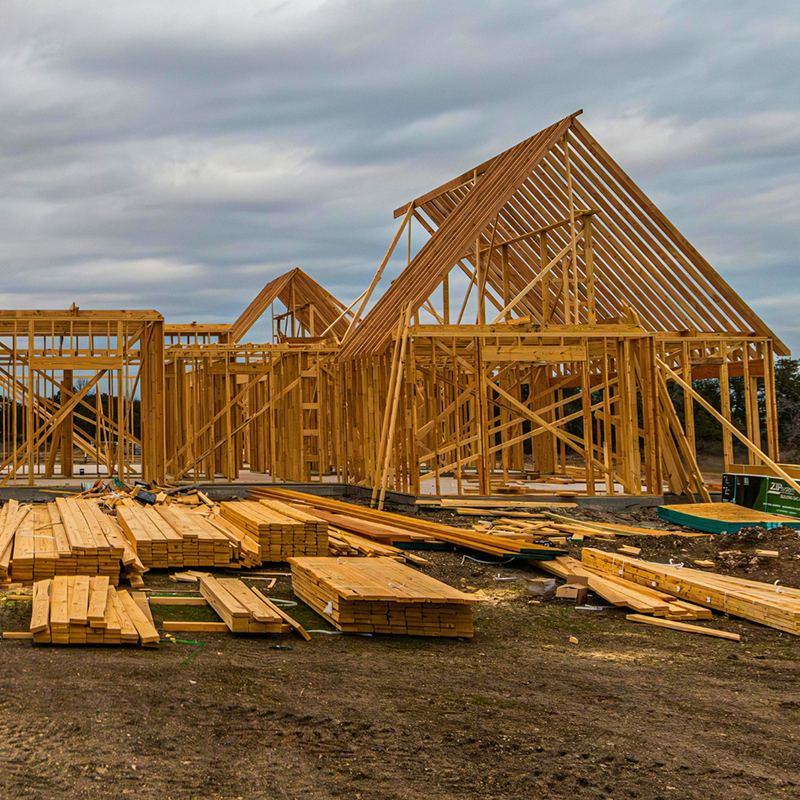
Fresh building approval figures have delivered encouraging signs for the residential construction sector, but industry experts warn the pace of new approvals remains well short of what is required to address Australia’s ongoing housing shortage. While the latest data points to stronger development activity than a year ago, significant challenges remain before the nation can achieve its ambitious housing supply targets.
New figures released by the Australian Bureau of Statistics (ABS) show that 18,328 dwellings were approved during June, representing a 7.2% increase compared with the previous month. The result continues the gradual improvement seen throughout the financial year and reflects growing confidence among builders and developers despite higher construction costs and ongoing labour shortages.
ABS Head of Construction Statistics Daniel Rossi said detached housing approvals also maintained their positive momentum. Private sector house approvals increased by 0.4% in June, marking the sixth consecutive month in which approvals exceeded 10,000 homes. Maintaining this level of activity is an encouraging sign that detached housing construction continues to recover following several years of subdued conditions.
Over the course of the 2025–26 financial year, a total of approximately 205,000 dwellings received approval, representing an increase of 9.2% compared with the previous financial year. The annual figure is the strongest since FY2021, demonstrating that construction activity has been steadily improving despite a challenging economic environment.
While these gains are positive, they remain insufficient to meet the Federal Government’s National Housing Accord objectives. Current targets require around 253,000 dwelling approvals every year, meaning the latest annual total falls well short of the level needed to significantly improve housing availability across the country.
Rossi noted that the latest figures represent an important milestone for the construction sector.
“The increase saw dwellings approved in the FY2026 financial year at its highest level since FY2021,” he said.
Although approvals provide an early indication of future building activity, they do not guarantee that homes will ultimately be completed. Many approved projects experience delays caused by financing challenges, labour shortages, planning issues or escalating construction costs.
This distinction has become a growing focus for industry organisations. Property Council of Australia Executive Matthew Kandelaars said increasing approval numbers is encouraging, but completed homes are the true measure of whether housing shortages are being addressed.
“Approvals are an important indicator of future activity, but they are only the first step in the delivery process,” he said.
His comments reflect broader concerns across the property industry that approval data alone does not translate into immediate improvements in housing supply. Between receiving planning approval and handing over completed homes, projects often encounter numerous obstacles that can delay construction by many months or even years.
The gap between approvals and completions has become increasingly significant as builders continue to manage elevated material costs, shortages of skilled tradespeople and longer construction timeframes. Even where approvals are granted promptly, these factors can slow the delivery of much-needed housing stock.
Addressing these bottlenecks has become a priority for governments seeking to improve affordability. Increasing the number of homes entering the market remains one of the most effective long-term strategies for easing upward pressure on both property prices and rental costs.
Adding further weight to the discussion, the Productivity Commission’s interim report argues that Australia’s regulatory framework requires substantial reform if housing supply is to improve meaningfully. According to the Commission, existing planning and building regulations frequently make it more difficult and expensive to construct homes in locations where demand is strongest.
The report suggests that many current regulations are poorly designed, creating unnecessary barriers that limit development opportunities and reduce housing affordability. Restrictions on land use, lengthy approval processes and inconsistent planning rules across jurisdictions are among the factors identified as contributing to slower housing delivery.
Industry stakeholders have long argued that planning reform, faster assessment timeframes and greater consistency between state and local governments would help accelerate residential development. Streamlining these processes could enable approved projects to commence construction sooner while reducing holding costs for developers.
Population growth continues to place increasing pressure on housing demand, making the pace of new construction particularly important. Without a significant lift in completed dwellings, competition for available homes is likely to remain strong, supporting elevated prices and tight rental conditions.
The latest approval figures demonstrate that progress is being made, with annual approvals now recovering to their highest level in several years. However, the shortfall relative to national targets highlights the scale of the challenge that remains.
For prospective home buyers, renters and investors alike, future housing affordability will depend not only on maintaining higher approval levels but also on ensuring those approvals translate into completed homes. Faster construction, improved planning systems and more efficient regulation will all play an important role in determining whether supply can eventually catch up with growing demand.