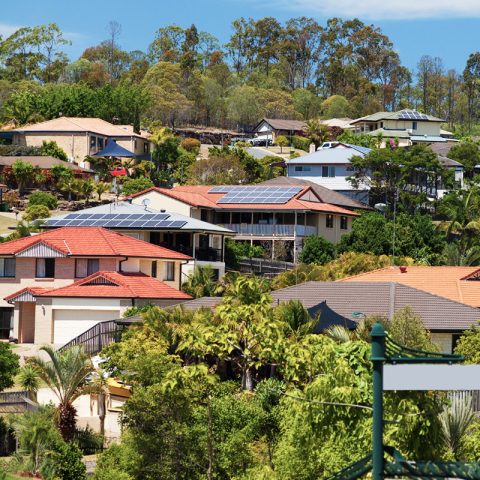
Brisbane has emerged as the nation’s leading renovation market, with homeowners investing substantial amounts in improving and extending their existing properties. From major structural alterations to modern kitchens, additional living areas and complete home transformations, renovation activity continues to represent a significant component of residential property investment.
According to the FurnitureTrader Renovation Boom report, Brisbane Local Government Area (LGA) recorded an average of $88.5 million in approved residential renovation work every month over the past five years. This places Brisbane comfortably ahead of other major renovation markets and demonstrates the scale of investment being directed into the city’s established housing stock.
The Northern Beaches LGA in New South Wales ranked second, with nearly $33 million in renovation approvals each month. Queensland’s Gold Coast followed in third position at $26.5 million, while Melbourne LGA recorded $25.9 million. Stonnington LGA completed the top five, averaging $25 million in approved monthly renovation work.
The substantial difference between Brisbane and the other leading locations highlights the strength of renovation activity across the Queensland capital. It also suggests that many homeowners are choosing to improve their current properties rather than necessarily relocating to newer accommodation.
Nationally, the value of approved residential renovation work increased by 27% over the past five years. This growth reflects continued interest in property improvements, although higher construction costs and larger renovation projects may also contribute to the increase in total approval values.
Several factors can influence a homeowner’s decision to renovate. Established neighbourhoods often provide convenient access to schools, employment centres, public transport and community facilities. For households satisfied with their location, modifying an existing property may be more appealing than moving elsewhere.
Renovations can also help properties accommodate changing household requirements. Growing families may require additional bedrooms or living areas, while other homeowners may prefer more functional kitchens, improved outdoor spaces or layouts that better support contemporary lifestyles.
Sam Cain of FurnitureTrader says renovation demand is influenced by more than the financial capacity of homeowners. The characteristics of existing housing stock and the opportunity to improve individual properties are also important considerations.
Older homes in established suburbs may offer significant potential for modernisation, particularly where original floor plans no longer meet current expectations. Depending on the property and relevant planning requirements, improvements can range from relatively straightforward upgrades to substantial extensions or structural alterations.
Brisbane’s extensive collection of established residential neighbourhoods provides opportunities for homeowners seeking to improve properties while retaining their preferred locations. However, the potential for renovation varies considerably between individual homes, making careful assessment essential before committing to major expenditure.
The Gold Coast also demonstrates strong renovation demand, with its average monthly approval value of $26.5 million placing it among the country’s leading markets. In established coastal areas, homeowners may seek to modernise ageing properties, improve functionality or create additional space without leaving desirable neighbourhoods.
Cain notes that renovation activity differs significantly between council areas. While Brisbane and the Gold Coast continue to record substantial approval values, other locations have experienced considerable declines over the same five-year period.
These differences reinforce the importance of local property characteristics, market conditions and homeowner confidence. Renovation demand is not necessarily distributed evenly, even between regions experiencing similar broader economic influences.
For homeowners considering renovations, financial planning remains a critical part of the process. Construction expenses can vary depending on building condition, structural requirements, materials, access and the availability of skilled tradespeople.
Unexpected costs can also arise when renovating older properties, particularly where hidden defects or outdated building systems are discovered. Obtaining professional advice and allowing for contingencies can help reduce the financial risks associated with substantial improvements.
It is equally important to distinguish between renovations undertaken for personal enjoyment and those intended to improve resale value. A highly customised renovation may deliver considerable lifestyle benefits without necessarily generating an equivalent increase in market value.
Investors face additional considerations when assessing renovation opportunities. Improvements may increase tenant appeal, reduce ongoing maintenance requirements or support higher rental income, but these benefits must be measured against the total cost of completing the work.
The surrounding property market also influences whether a renovation represents a sensible investment. Spending significantly more than comparable properties can support may limit the financial benefit when the home is eventually sold.
Buyers considering older properties should therefore assess renovation potential alongside location, land characteristics, building condition and purchase price. A lower initial purchase cost does not automatically represent better value when extensive improvements are required.
Brisbane’s average monthly renovation approval value of $88.5 million confirms that homeowners are continuing to commit substantial resources to their existing properties. The national increase of 27% over five years further demonstrates the importance of renovations within the broader housing market.
Ultimately, successful renovation decisions depend on balancing lifestyle improvements, realistic construction budgets and local property values. Whether upgrading a family home or improving an investment, careful planning remains essential to achieving worthwhile long-term outcomes.