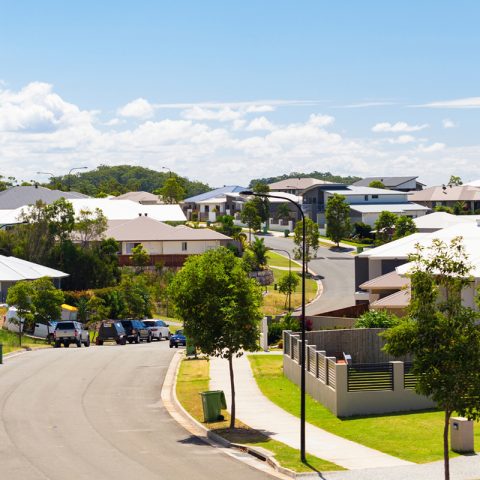
Established suburbs could hold a much larger share of the nation’s future housing supply than their current streetscapes suggest. Instead of relying entirely on new estates on metropolitan fringes, existing residential blocks may provide opportunities to add millions of dwellings in locations where roads, transport, employment and community services are already available.
Analysis by property platform Archistar found that 44% of suburban properties could accommodate an additional dwelling or duplex under existing planning rules. Across the country, that represents potential capacity for another 3.6 million homes. While not every theoretically suitable site will ultimately be developed, the scale of the finding highlights how much residential capacity may already exist within established neighbourhoods.
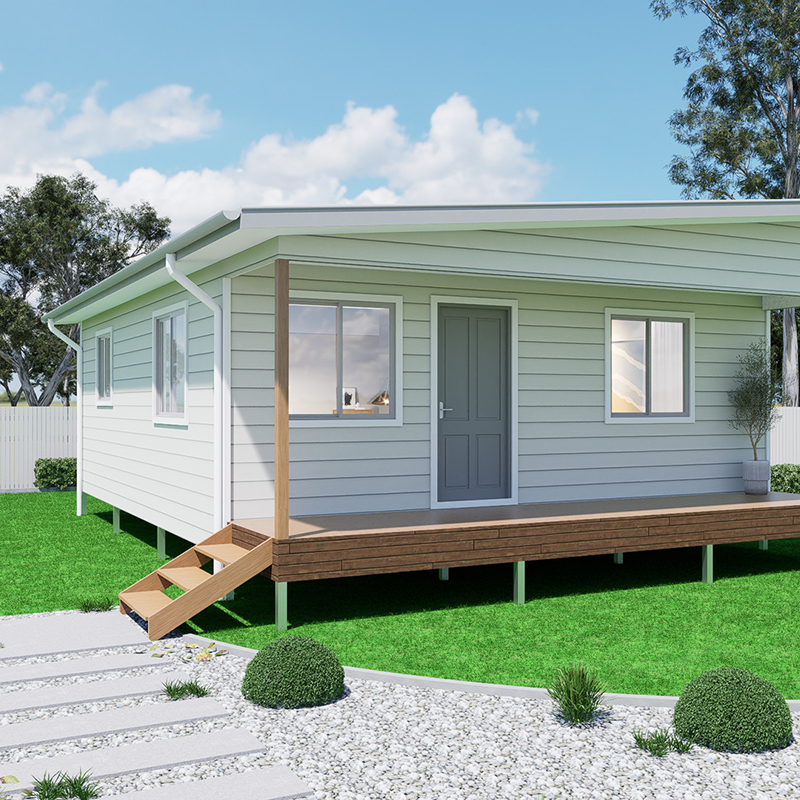
Granny flats are one of the most straightforward ways to make better use of this land. Archistar identified around 2.5 million residential lots that could potentially accommodate at least one granny flat. Importantly, many of those sites are located close to services and public transport rather than on the edges of cities.
Around 800,000 suitable sites are within two kilometres of a train station, while approximately 755,000 are located near hospitals. This proximity could make secondary dwellings particularly useful for households seeking affordable accommodation without sacrificing access to employment, healthcare, transport and established amenities.
The benefits extend beyond simply increasing the number of homes. A granny flat can allow ageing parents to live near family while retaining a degree of independence. Adult children facing high housing costs may also be able to remain close to their family network while saving for their own property. Other households could use a secondary dwelling for siblings or extended family members.
There may also be benefits for downsizers. Older homeowners who want to remain within a familiar suburb could potentially move into a smaller dwelling on an existing family property rather than leaving their community. In some circumstances, that could allow a larger home to become available to a growing family while the older resident retains local social connections and access to familiar services.
Investors may see another opportunity. Granny flats can generate attractive rental returns because the cost of constructing a smaller secondary dwelling may be relatively modest compared with the additional rental income it produces. Adding another rentable residence to an existing property can therefore improve the income generated from the land.
However, the numbers do not mean every eligible backyard should automatically be developed. Individual feasibility depends on local planning requirements, minimum lot sizes, setbacks, access arrangements, parking, existing buildings and the position of services. Construction costs also need to be considered carefully, particularly when site works, drainage or utility connections make a seemingly simple project more expensive.
The configuration of the original dwelling can be equally important. A large block may appear suitable on paper but offer poor access to the rear or leave inadequate private open space once another dwelling is added. Conversely, a well-positioned existing house on a relatively modest lot may provide a surprisingly practical development opportunity.
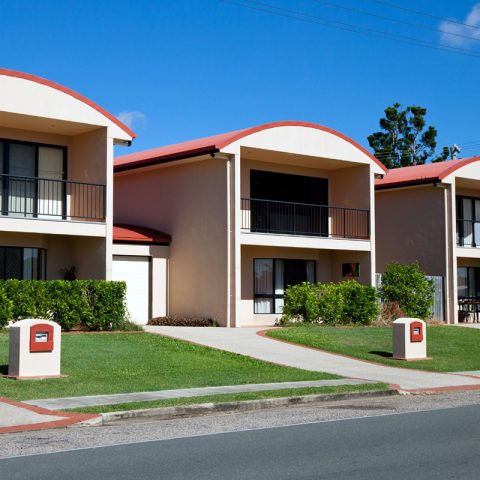
The research also draws attention to the broader issue of “missing middle” housing. Many established suburbs contain predominantly detached houses, with relatively few duplexes, terraces, townhouses or other forms of medium-density accommodation between detached homes and larger apartment developments.
Creating more housing within this middle range could improve choice for households that neither need nor can afford a conventional detached house but do not want to live in a high-density apartment building. It could also allow established suburbs to accommodate gradual population growth without dramatically changing their overall character.
Unlocking that potential will require more than identifying available land. Planning approvals need to be practical and timely, regulations need enough consistency for homeowners and builders to understand what can be developed, and projects still need to make financial sense after construction and financing costs are considered.
Infrastructure capacity must also be taken into account. Existing suburbs already have roads, schools, hospitals, shops and public transport, but additional residents can place greater pressure on those services. Sensible infill development therefore needs to be accompanied by appropriate infrastructure planning rather than assuming existing facilities can absorb unlimited growth.
Even with those limitations, the scale of potential capacity is significant. Adding homes to existing neighbourhoods can complement rather than replace greenfield development, apartment construction and larger urban renewal projects.
With 3.6 million potential additional homes identified across suburban areas, including millions of blocks potentially suitable for granny flats, existing residential land represents an important part of the housing supply discussion.
The opportunity is ultimately about using land more efficiently. As affordability pressures continue and households demand a wider range of housing options, backyards, secondary dwellings and carefully planned medium-density development could help established communities accommodate more people without depending exclusively on outward expansion.