The gap between renting and buying is narrowing in several key markets, and in some cases, buying is now the more affordable option on a monthly basis.
Recent data shows that in cities such as Melbourne, Darwin, and Canberra, mortgage repayments on units are lower than median rental costs. This shift is largely driven by rapid rent increases over the past few years.
When rents rise faster than property values, the financial gap between renting and buying naturally closes. This creates a window where ownership becomes more accessible, particularly for buyers who have been sitting on the sidelines.
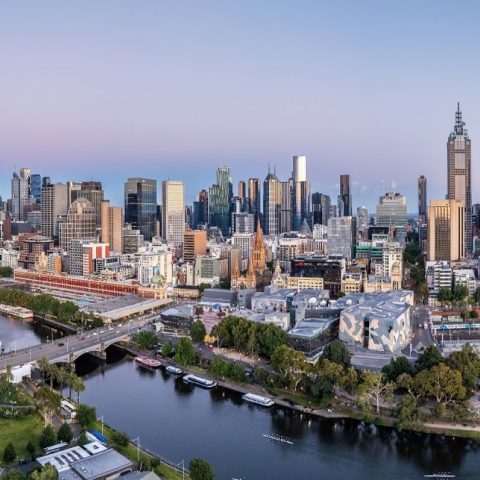
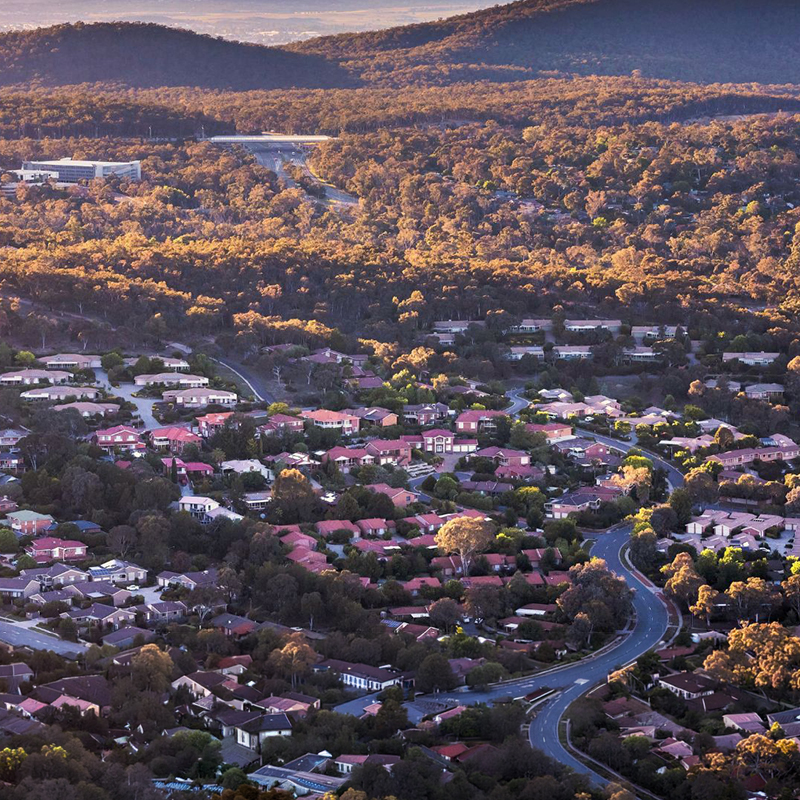
Inner Melbourne is a standout example. Mortgage repayments based on median unit prices are around $322 per month lower than renting. In Palmerston, the difference is about $265, while Darwin sits at $188 cheaper. Woden Valley in Canberra is slightly lower at $25.
These figures do not capture the full cost of ownership. Buyers still need to consider expenses such as maintenance, strata fees, and upfront costs. However, they do highlight a shift in relative affordability.
For renters, the key consideration is long term value. Rental payments do not build equity, which means there is no financial return over time.
Some apartment markets have also seen increased supply, which has helped stabilise prices even as rents continue to rise. This creates opportunities for buyers to enter the market without facing the same level of competition seen in previous years.
For first home buyers and investors, this is an important moment to assess options. Markets where buying and renting costs align often indicate underlying value and potential for future growth.
The decision ultimately comes down to individual circumstances, but the data suggests that in certain locations, buying is becoming a more competitive alternative to renting.
Understanding where these opportunities exist, and acting with a clear strategy, can make a significant difference over the long term.