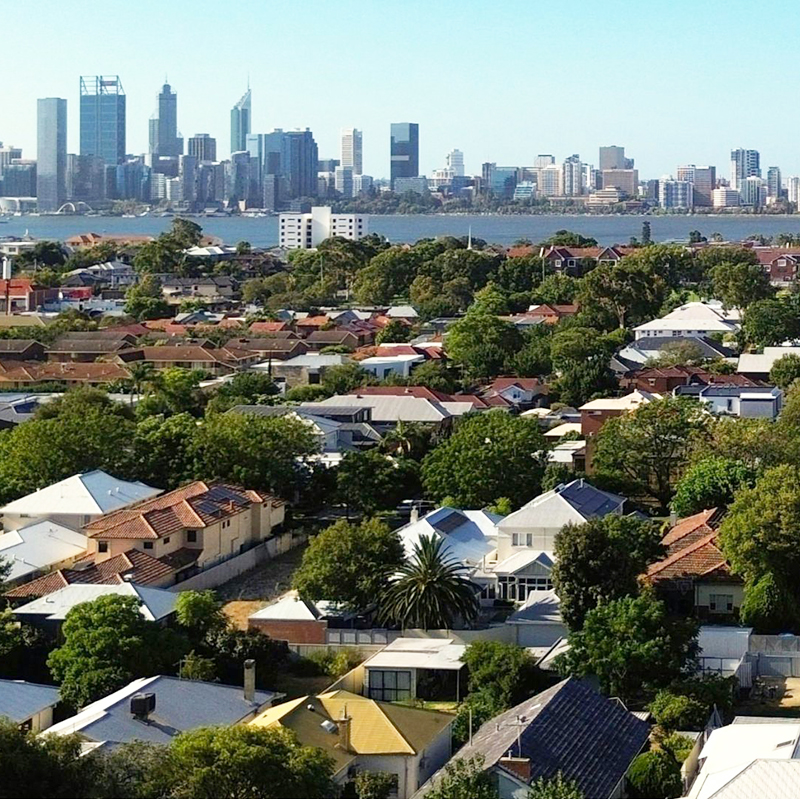
There is a clear mismatch between perception and reality when it comes to property sales. While some expected rising interest rates to slow things down, many suburbs are seeing homes snapped up in under two weeks.
Speed has become a defining feature of the current market in certain pockets. Strong buyer demand combined with limited housing supply is creating conditions where well-positioned properties do not linger.
Take Melbourne’s outer south east, where Carrum Downs leads the country with an average selling time of just 11 days. Over the past 12 months, its median house price has climbed nearly 12% to $787,500, growing at roughly three times the pace of Greater Melbourne overall.
Adelaide is also moving quickly, with suburbs like Crafers and Bridgewater recording sales within 14 to 16 days. Brisbane is not far behind, with Zillmere averaging 15 days and Chermside West around 19 days.
Sydney’s fastest-moving suburbs include Naremburn and Clovelly, both selling in under three weeks. Perth continues to show strong momentum as well, with Woodvale and Edgewater turning over properties in 13 to 18 days.
When you step back and look at the broader picture, Adelaide stands out as the fastest capital city market, with houses selling in around 22 days on average. Hobart, by comparison, is the slowest at 36 days, though even that is relatively quick in historical terms.
What is driving this pace is not hype. It is fundamentals. Limited stock means buyers have fewer options. When the right property appears, competition builds quickly. That creates urgency and compresses decision-making timeframes.
For buyers, this environment requires preparation. Finance needs to be sorted early. Suburb research needs to be done upfront. Waiting to “see what happens” often means missing out.
For sellers, it creates opportunity. Well-presented properties in the right locations are attracting strong interest and, in many cases, competitive offers.
It is also worth noting that this fast pace is not uniform. Some areas are still moving more slowly, particularly where supply is higher or demand is softer. But in growth pockets and tightly held suburbs, the speed of the market is unmistakable.
This is where local insight becomes critical. Knowing which suburbs are moving quickly and why can make the difference between securing a property and constantly playing catch-up.