Property investors are widening their search, and the data suggests this is no longer a fringe behaviour. Buyers are becoming more comfortable looking beyond their home state, focusing less on familiarity and more on where opportunity, affordability and growth potential align.
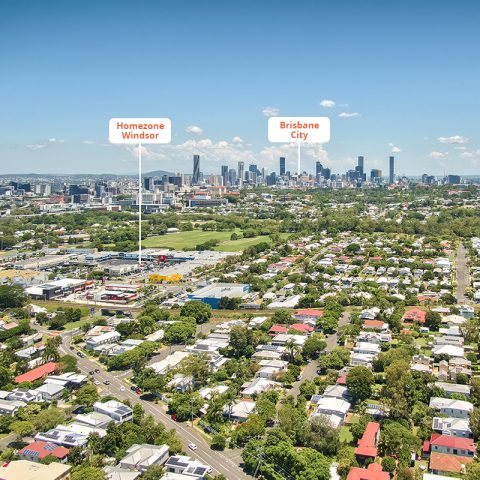
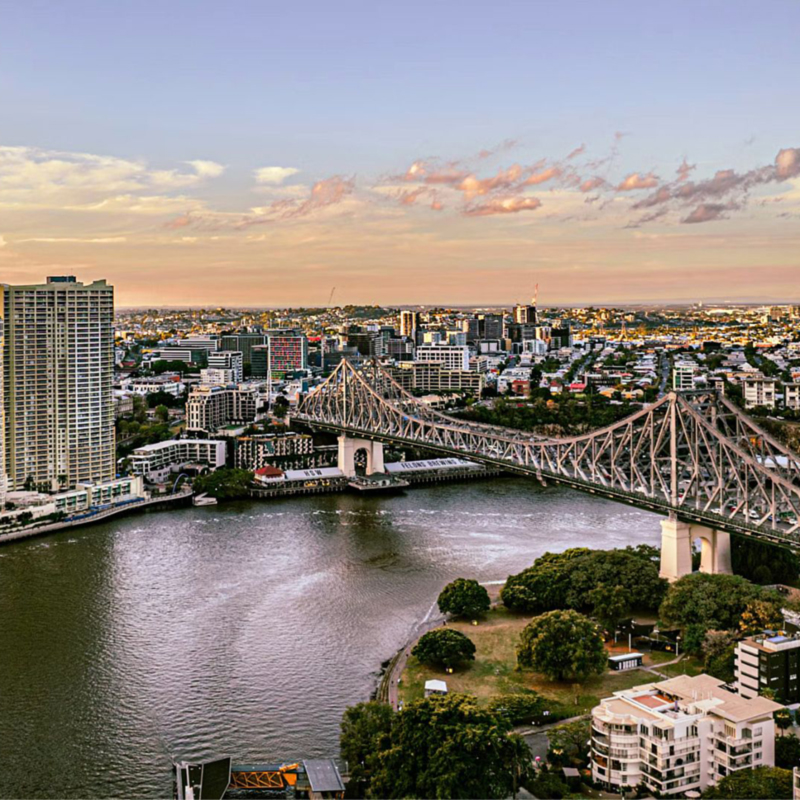
Momentum Wealth’s 2026 Property Sentiment Report shows Brisbane, Perth and Melbourne are currently among the most attractive cities for investors, with more than one in five nominating them as preferred locations. That doesn’t mean these are the only markets worth considering, but it does highlight where sentiment is currently strongest.
A key shift is the growing openness to interstate investment. The report found 73% of investors would consider buying in a state they do not live in. That is a notable change in behaviour. Historically, many buyers stayed local due to perceived risk or lack of knowledge. That barrier appears to be easing, likely due to better access to data, advisory services and digital buying processes.
Different markets are attracting different buyer profiles. Perth is drawing interest from older investors, particularly those over 55. This may reflect a preference for relatively affordable entry points and stable rental returns. Sydney, on the other hand, remains on the radar for younger investors, despite higher prices. That suggests a longer-term growth focus rather than immediate yield.
Melbourne has re-entered the conversation after a period of softer sentiment. Improved affordability relative to previous peaks appears to be bringing buyers back. This does not necessarily indicate a rapid rebound, but it does show that pricing shifts can quickly influence investor attention.
In terms of property type, established houses remain the preferred option overall, particularly in Western Australia. The appeal is straightforward. Land value, familiarity and long-term growth potential continue to underpin demand for detached housing.
However, in higher-priced markets such as New South Wales, investors are more inclined to consider units. This reflects a practical adjustment rather than a change in preference. When houses become less accessible, buyers often shift to more affordable dwelling types rather than exit the market entirely.
House and land packages are also gaining traction, with more than 40% of investors expressing interest. According to Momentum Wealth managing director Damian Collins, depreciation benefits are likely a key driver. While this can improve short-term cash flow, it is still important for buyers to weigh broader factors such as location and long-term demand.
Policy uncertainty remains a watch point. A survey by the Property Investment Professionals of Australia indicates that 53% of investors would reconsider or cease investing if negative gearing rules were changed. While this is sentiment-based rather than a confirmed outcome, it highlights how sensitive investor behaviour can be to policy settings.
Overall, the data points to a more flexible and strategic investor mindset. Buyers are comparing cities, adjusting property types and weighing up multiple factors before making decisions. The willingness to invest interstate is no longer unusual. It is becoming part of the standard approach.