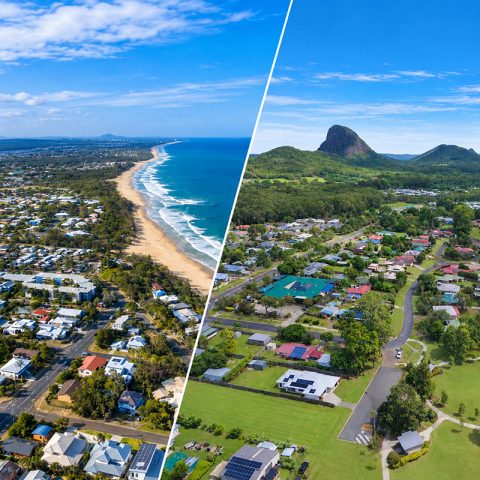
Land values continue rising strongly, with South East Queensland and Adelaide standing out as two of the clearest examples of demand running ahead of supply. Oliver Hume data shows South East Queensland’s median land price rose by 10.3% in the March quarter, an increase of $51,900.
That quarterly rise pushed the median lot price in South East Queensland beyond $500,000 for the first time. The median lot price now sits at $543,400, highlighting how competitive the land market has become across one of the country’s fastest-growing regions.
The price per square metre has also climbed sharply. Across South East Queensland, land now costs $1,308 per square metre, up 11.8%. That compares with $953 per square metre in Adelaide and $1,057 per square metre in Melbourne. These figures demonstrate how strongly buyers are competing for limited land in key Queensland growth corridors.
Oliver Hume Chief Economist Matt Bell said South East Queensland’s performance reflects very strong demand combined with insufficient supply. This imbalance is being felt across Brisbane, the Sunshine Coast, the Gold Coast and surrounding growth areas, where interstate migration and population growth continue placing pressure on housing availability.
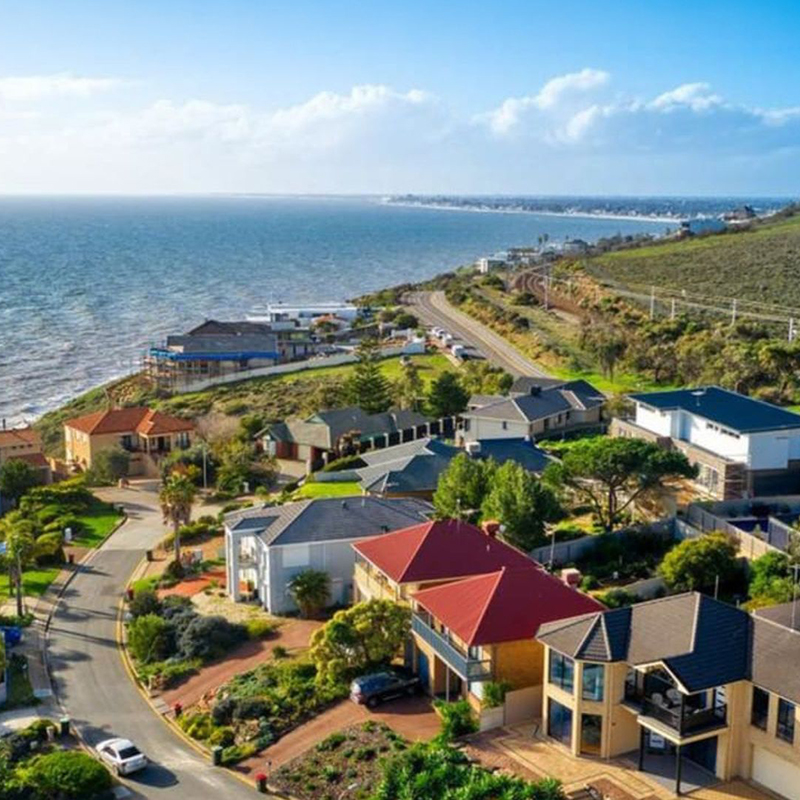
Adelaide also recorded strong land price growth. Its median lot price rose by 11.3% to $417,500 in the March quarter, almost $100,000 higher than 12 months earlier. For the first time, Adelaide’s median lot price is now above Melbourne’s, highlighting the changing dynamics between the two cities.
Melbourne’s land market has been softer by comparison. Median land prices fell by 0.8% during the March quarter and are down 0.7% over the past 12 months. The median lot price in Melbourne now sits at $406,000, reflecting a more subdued market environment.
The growing divide between markets highlights how migration and infrastructure spending are influencing land demand. South East Queensland continues attracting buyers from Sydney and Melbourne who are searching for more affordable housing, lifestyle advantages and stronger long-term growth prospects.
Large infrastructure projects are also supporting demand across growth corridors. Transport upgrades, education precincts, health hubs and Olympic-related investment are increasing confidence in many Queensland markets. Buyers are often willing to pay a premium for land in areas expected to benefit from future development.
Developers continue facing major challenges delivering enough new supply. Rising construction costs, labour shortages and lengthy planning approval processes are slowing the release of new land. This is contributing to the ongoing imbalance between supply and demand across many high-growth regions.
Land scarcity is also changing the way new communities are being designed. Smaller lot sizes are becoming more common, while medium-density housing is increasingly viewed as a practical response to affordability pressures. Townhouses and terrace homes are now forming a larger part of many master-planned communities.
The rise in land prices is flowing through to the broader housing market. As the cost of land increases, the overall cost of building a home also rises. This creates additional pressure on first-home buyers who are already dealing with higher borrowing costs and tighter lending conditions.
Regional growth corridors continue attracting strong interest because they still offer relative affordability compared with inner-city markets. Many buyers are now willing to move further from major CBDs if it allows them to secure larger blocks or enter the market sooner.
Rising land values have major implications for affordability across the country. When land becomes more expensive, the cost of building new homes rises as well. This continues pushing more households toward smaller lots, townhouses and medium-density developments.
Supply remains the central issue. Developers are still dealing with planning delays, higher construction costs, labour shortages and infrastructure constraints. Until more serviced land can be delivered in the right locations, competition for well-positioned lots is likely to remain intense.