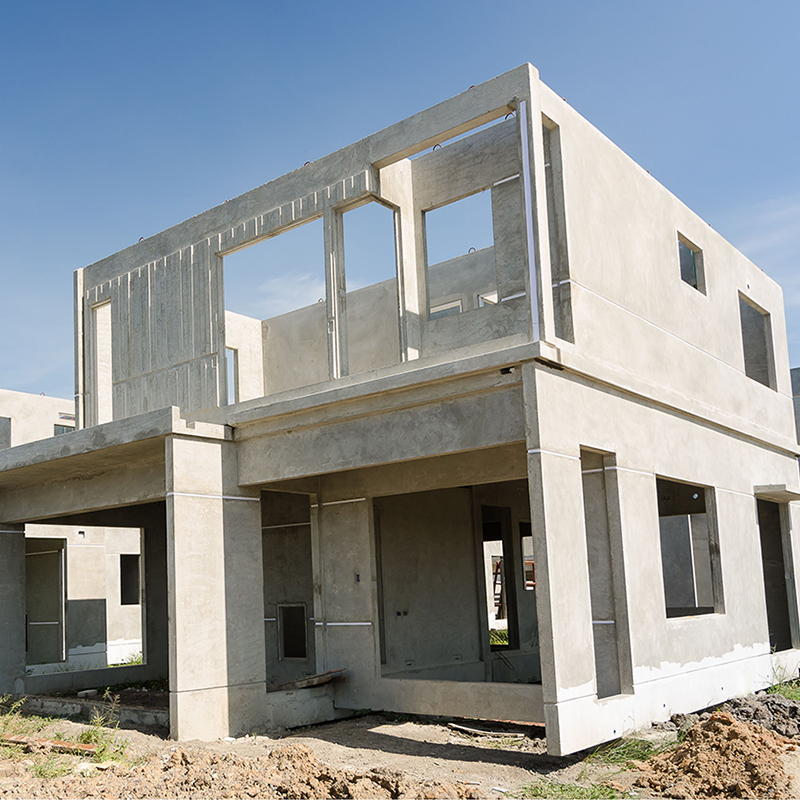
The Federal Government is placing increasing focus on prefabricated housing as it searches for solutions to Australia’s ongoing housing supply crisis.
With affordability pressures continuing to intensify and traditional construction methods struggling to keep pace with demand, modular and off-site construction is now being positioned as a key part of the country’s future housing strategy.
Housing Minister Clare O’Neil recently announced the introduction of a new certification program aimed at streamlining the delivery of prefabricated homes across the country.
The move reflects growing recognition that Australia may need to rethink how housing is designed, approved and built if it hopes to achieve future housing targets. While prefabricated housing still represents only a small portion of the Australian market, overseas examples demonstrate how effective large-scale modular construction can become when properly integrated into the housing system.
Sweden is frequently referenced as one of the strongest examples globally, with approximately 80% of homes incorporating some form of prefabrication. By comparison, Australia currently sits at only around 5%.
That gap highlights both the challenge and the opportunity facing the local construction industry.
The Federal Government has committed $40 million to support states and territories trialling a new open-source housing platform known as System 600.
The platform is designed to standardise major construction components including wall panels, facades and bathroom pods so they can be manufactured off-site and assembled quickly on location.
Under this system, around 80% of construction takes place within controlled manufacturing facilities while only 20% occurs on-site.
Supporters say this process has the potential to dramatically improve efficiency throughout the housing sector.
Traditional construction projects are often delayed by weather conditions, labour shortages, material supply issues and fragmented scheduling between trades. Off-site manufacturing allows much of the work to occur simultaneously rather than sequentially, helping reduce overall construction timeframes.
The government also plans to introduce a national voluntary certification scheme under the National Construction Code.
Currently, modular housing approvals can vary significantly between councils and states, creating complexity for developers and manufacturers attempting to scale operations nationally.
A simplified national framework could help remove many of those bottlenecks while giving builders, financiers and buyers greater confidence in prefabricated products.
Future Building Initiative director Duncan Maxwell says the announcement recognises the need for broader innovation across the housing sector.
He believes prefabrication has the potential to accelerate delivery, reduce costs, strengthen local manufacturing capability and create scalable modern construction methods.
Importantly, modular housing has evolved significantly from the basic transportable homes many Australians still associate with the concept.
Today’s prefabricated homes can include architect-designed residences, apartment complexes, hotels, social housing projects and premium lifestyle developments. Advances in materials, engineering and design flexibility have improved both aesthetics and performance outcomes.
Sustainability is another major factor driving interest in modular construction.
Factory-controlled environments typically generate less waste, improve material efficiency and allow tighter quality control compared to conventional building sites. Standardised systems can also reduce construction errors and improve energy performance.
Labour shortages remain another major issue affecting the industry.
Australia’s construction sector continues facing skilled worker shortages across multiple trades, leading to delays and rising costs on many projects. Prefabricated construction reduces reliance on large on-site workforces by shifting much of the labour process into manufacturing facilities.
For buyers, faster delivery times may eventually improve housing availability in undersupplied markets.
That is particularly important as migration levels remain high and population growth continues placing pressure on housing stock across many parts of the country.
However, challenges still remain before modular construction becomes mainstream.
Financing structures have traditionally been built around conventional construction timelines, and some lenders are still adapting to modular delivery models. Insurance frameworks and valuation processes can also vary depending on the type of prefabricated product involved.
Public perception is another hurdle.
Although modern prefabricated housing can achieve extremely high quality standards, some buyers still associate modular homes with temporary accommodation or lower-quality builds.
Industry education and stronger visibility of successful projects will likely play an important role in changing that perception over time.
Transport logistics also become more complex as projects scale larger, particularly for developments in regional or difficult-access locations.
Even so, momentum is clearly building.
Governments, developers and construction firms are increasingly recognising that traditional building methods alone may not be capable of delivering the volume of housing Australia requires over coming decades.
The push toward prefabrication reflects a broader shift happening globally across construction industries where efficiency, scalability and innovation are becoming increasingly important.
As affordability challenges intensify, housing delivery systems will likely continue evolving rapidly.
The success of initiatives like System 600 could help shape the next generation of Australian housing by making construction faster, more consistent and potentially more affordable for future buyers.