Property markets are still moving forward, but the pace is becoming more measured. Cotality data shows median dwelling values rose by 0.3% over April 2026, while unit values also increased by 0.3%. Almost all major capital city and regional markets recorded growth, which suggests demand remains resilient despite affordability pressures and higher borrowing costs.
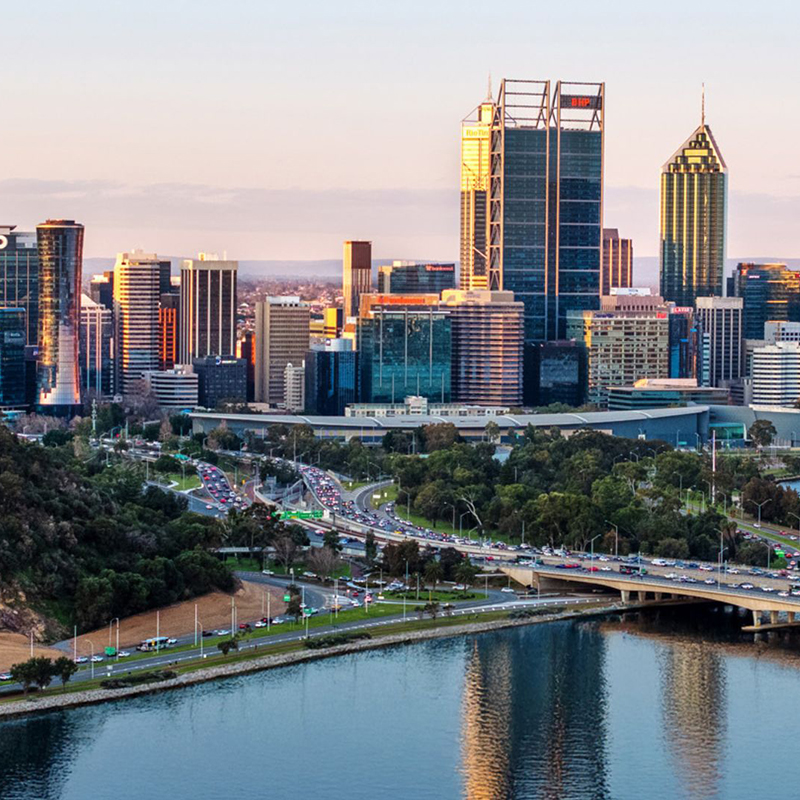
The stronger results remain concentrated in markets supported by population growth, limited housing supply and strong local economies. Perth continues leading the country, with dwelling values up by 6.8% over the quarter. Brisbane followed with 4.7% growth, Adelaide rose by 3.5% and Darwin lifted by 3%. These markets continue benefiting from demand that has not been matched by enough available housing.
Brisbane’s performance is particularly significant because several growth drivers are working together at once. Interstate migration remains strong, infrastructure spending continues accelerating and the lead-up to the 2032 Olympic Games is supporting buyer confidence. Adelaide has also maintained momentum because affordability compared with larger capitals is still attracting both owner-occupiers and investors.
Hobart recorded dwelling value growth of 2.6%, while Canberra rose by a more modest 0.4%. Sydney and Melbourne moved in the opposite direction during the quarter, with Sydney down 0.9% and Melbourne falling 1.5%. Even so, both cities remain above their levels from 12 months ago, highlighting the long-term resilience of the two largest capital city markets.
Cotality Head of Research Gerard Burg said the latest figures point toward a further slowdown, particularly in Sydney and Melbourne. His comments suggest the market is becoming more selective rather than collapsing outright. Buyers are now paying closer attention to affordability, borrowing costs and long-term value instead of simply chasing rapid price growth.
Regional markets are continuing to play an important role in national performance. Lifestyle locations and affordable satellite cities are still attracting buyers who want more space, lower entry prices or greater flexibility around work arrangements. While the pandemic-driven regional boom has moderated in some locations, it remains an important trend in many coastal and lifestyle markets.
Unit markets are also becoming increasingly important as affordability pressures push buyers toward apartments and townhouses. In larger cities, attached dwellings are becoming the practical entry point for many first-home buyers, downsizers and investors. This trend is likely to continue while detached houses remain financially out of reach for many households.
One of the biggest issues influencing the market is the shortage of available listings. In many suburbs, buyers are competing for a limited number of quality properties, which continues supporting prices despite tighter lending conditions. This shortage is especially noticeable in middle-ring suburbs and lifestyle regions where demand remains consistently high.
Population growth is also reshaping housing demand patterns. Overseas migration remains elevated, while interstate migration continues favouring Queensland and Western Australia. This movement of people is placing additional pressure on rental markets and increasing competition for housing across multiple price points.
Investors are watching these conditions closely because rental markets remain extremely tight in many locations. Vacancy rates are low and rents continue rising in both capital cities and regional centres. Strong rental conditions are helping offset higher borrowing costs for some investors, particularly in markets where yields remain attractive.
Affordability, however, remains a major challenge for first-home buyers. Rising property values combined with higher interest rates have reduced borrowing capacity and made saving deposits increasingly difficult. Many buyers are compromising on location, property type or dwelling size simply to secure a foothold in the market.
Developers and planners are also adapting to changing demand patterns. Higher-density housing projects are becoming more common around transport hubs and employment precincts as governments and developers attempt to improve supply. Apartments, townhouses and mixed-use developments are increasingly shaping the future of urban housing across major cities.
The broader message is that housing conditions are becoming more fragmented. Perth, Brisbane and Adelaide continue showing strong momentum, while Sydney and Melbourne are cooling. Buyers and investors need to understand local conditions rather than relying on national headlines, because suburb-level supply, infrastructure and demand are now driving outcomes more than ever.