Strong negotiation starts before the offer
The biggest negotiation mistake is deciding what a property is worth after falling in love with it. By then, the buyer is already anchored to the idea of owning the home. Good negotiation begins earlier, with comparable sales, inspection, due diligence and a clear understanding of the buyer’s ceiling.
In a competitive Brisbane market, that preparation matters because offer deadlines can be short and selling agents may be managing several interested parties at once. A buyer who has already done the work can make a faster decision without making a rushed decision.
Current Inner North growth makes discipline especially important
The June 2026 Inner North report recorded double digit one year house growth in many sampled suburbs, including Stafford, Stafford Heights, Windsor, Gordon Park, Grange, Kedron, Newmarket and Wooloowin. Unit growth was also strong in several markets, including 28 per cent in Alderley and 27 per cent in Wooloowin.
Strong recent growth can create a sense that any delay will be punished. That is exactly when buyers need a valuation process. A rising market changes the weight given to recent sales, but it does not remove the need for evidence.
Comparable sales are the anchor
The best comparables are similar in location, land, dwelling type, condition, position and overall buyer appeal. A sale from six streets away may be more useful than one next door if the next door property is a very different asset.
The aim is to establish a range, then adjust for the specific property. A renovated kitchen alone does not explain a large premium if the home also sits on a busier road or has inferior land.
Price is only one part of an offer
Vendors may also care about settlement timing, finance, building and pest conditions, deposit size and certainty. Buyers should not remove protections they genuinely need simply to make an offer look attractive, but they should understand which terms matter to the vendor.
Sometimes a clean, well organised offer with sensible timing can be more appealing than a slightly higher offer carrying more uncertainty. That depends on the campaign and the seller’s priorities.
Multiple offer situations need a clear ceiling
When several buyers are competing, there may be little room for slow incremental negotiation. The buyer should know the maximum amount at which the property still makes sense. That ceiling should be set before the final call or email.
A ceiling is not a prediction of future value. It is the point at which the buyer decides there is better value elsewhere. Without that line, competition can turn into a contest rather than a property decision.
Auctions require a different emotional discipline
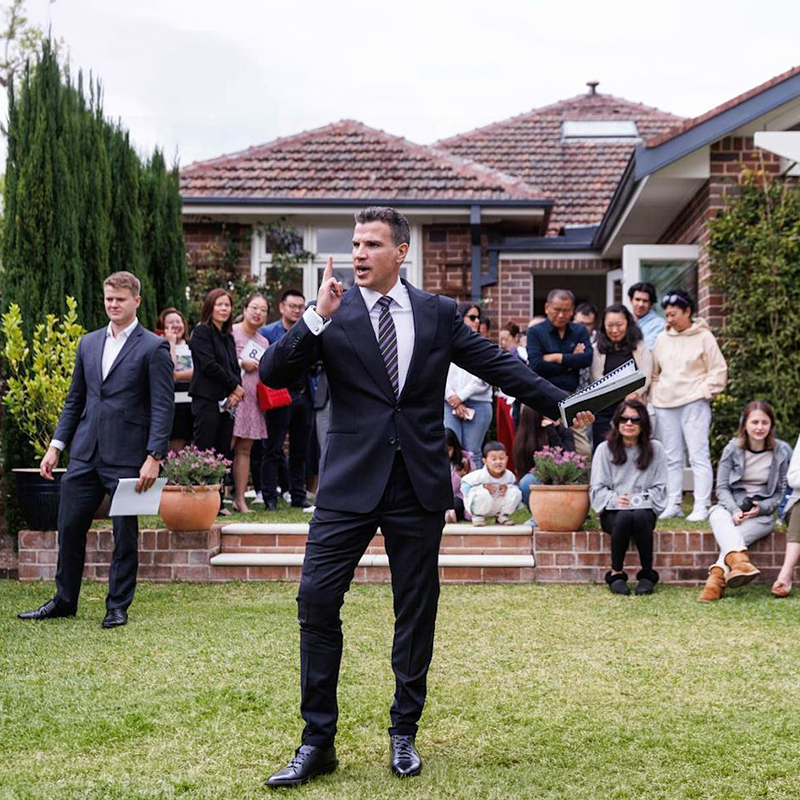
At auction, the transparency of visible bids can make buyers feel compelled to respond. A buyers agent or disciplined buyer should have the same pre auction valuation and limit. The auction format changes the mechanics, not the value of the property.
Walking away can be the correct result. Losing an auction is frustrating, but paying beyond a carefully established ceiling can be more expensive.
Negotiation after a property passes in
If a property passes in, the highest bidder may receive the first opportunity to negotiate. This can be a useful position, but buyers should still avoid assuming they must meet the vendor’s reserve. The same comparable sales and ceiling remain relevant.
The post auction conversation can move quickly, so preparation before auction day is essential.
Good negotiation is calm rather than clever
Property negotiation is often presented as a collection of tricks. In practice, the strongest advantage is information. Know the property, understand the campaign, know the comparable sales, have finance and advice organised and be prepared to walk away.
That approach is not dramatic, but it keeps the buyer focused on the outcome rather than the theatre of the transaction.
What buyers agents do during negotiation
A buyers agent can keep communication with the selling agent consistent, clarify the process and test the information being provided. They can also stop the buyer from negotiating against themselves by increasing an offer without a clear reason. The goal is not to be aggressive. It is to be deliberate.
When the campaign is competitive, the most important skill may be recognising when the next increase no longer represents value. A professional should be as comfortable recommending a walk away as recommending a stronger offer.
A practical checklist before you commit
Before making an offer, return to the original brief and confirm that the property solves the problem you started with. Check the permanent features first, including location, street, land, access, orientation and surrounding uses. Then assess condition, improvements and the work you may need to complete after settlement.
Review the comparable sales, confirm your finance position, organise appropriate legal and technical advice and decide on your ceiling. A good property decision should still make sense when the pressure of the campaign is removed. That simple checklist is often more useful than trying to predict exactly what the market will do next.
FAQs
How do I know what to offer? Start with relevant recent comparable sales and adjust for the individual property’s location, condition and features.
Can settlement terms help? Sometimes, if they suit the seller and do not compromise protections the buyer needs.
Should I make my maximum offer first? There is no universal rule. The strategy depends on the campaign, competition and information available.
Book a consultation with Murray McCarthy, for expert guidance on negotiating property purchases and securing the right home in Brisbane’s competitive market.