Property prices have continued to rise across a large portion of the market, although growth is not uniform across all areas. In the first quarter of the year, house prices increased in 70% of suburbs, while unit prices rose in 71% of unit markets.
This indicates broad-based growth, though not universal. Some areas are performing more strongly than others, particularly those offering relative affordability.
PropTrack data shows that regional markets and outer suburban areas recorded some of the strongest gains. This aligns with a trend of buyers seeking more accessible price points as affordability constraints limit options in higher-priced locations.
REA Group senior economist Anne Flaherty has noted that six of the top 10 suburbs for house price growth had median values below $1 million. This suggests that demand remains strong in more affordable segments of the market.
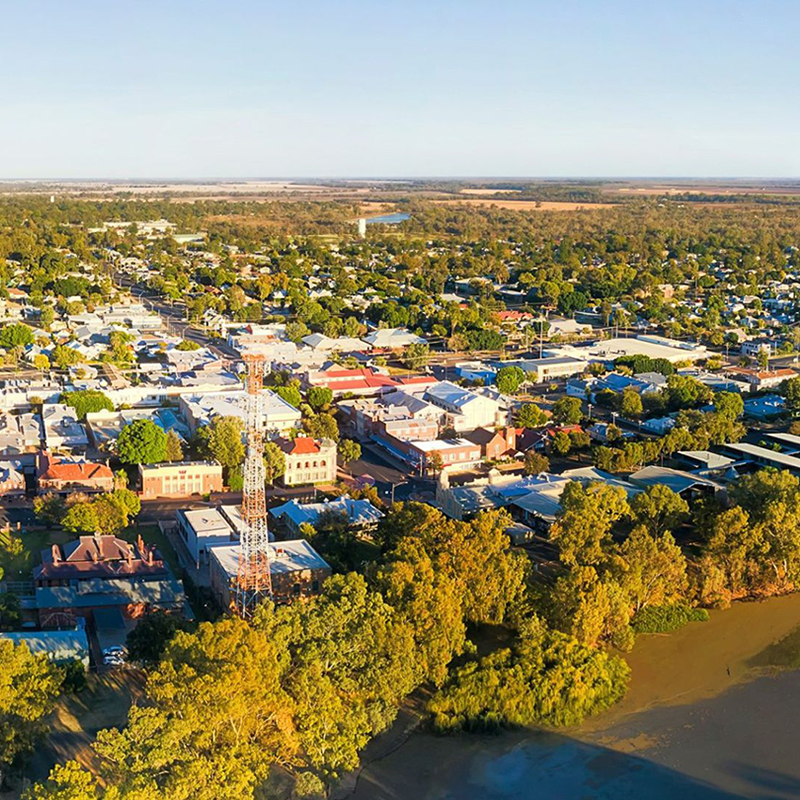
Specific growth figures include Moree in New South Wales and Gelorup in Western Australia, both recording 16% quarterly growth in house prices. In the unit market, Geraldton rose 17%, while Palmwoods on the Sunshine Coast increased by 16%.
While these figures are notable, they represent individual markets and should not be taken as indicative of all regions. Growth rates can vary significantly depending on local conditions.
Flaherty has also pointed out that regional markets are benefiting from buyers who are priced out of capital cities. As populations increase in these areas, demand for housing and services can also rise, supporting local economies.
For buyers, the data highlights the importance of flexibility. Opportunities may exist in markets that were previously overlooked, particularly those offering a balance of affordability and growth potential.
For investors, it reinforces the need to assess each location on its merits rather than relying solely on broader market trends.
Overall, while prices are rising in many areas, the market remains varied, and careful selection remains key.