A growing structural shift is emerging across the residential property landscape, where homeowners are remaining in their properties for significantly longer periods than in previous cycles. This behaviour is not simply a response to interest rates or short term market conditions. It reflects deeper lifestyle anchoring, generational stability in established suburbs, and the increasing financial friction involved in relocating once a household is firmly positioned.
Nationally, the typical holding period currently sits at 11.7 years for houses and 10.3 years for units, already indicating a relatively slow turnover rate compared to historical norms. However, this average conceals a more extreme pattern within tightly held suburbs, where ownership durations are stretching toward or beyond the two decade mark. These are not isolated cases, but rather consistent outcomes across stable, amenity rich areas.
In Melbourne, Clarinda records the longest average holding period for houses at 23 years, followed by Mont Albert, Hurlstone Park, Bexley North and Greenfield Park. These suburbs share several defining characteristics. They are established middle ring locations with strong transport connectivity, mature infrastructure, and deeply embedded owner occupier populations. Once residents enter these markets, they tend to remain, often raising families over decades and choosing to age in place rather than relocate.
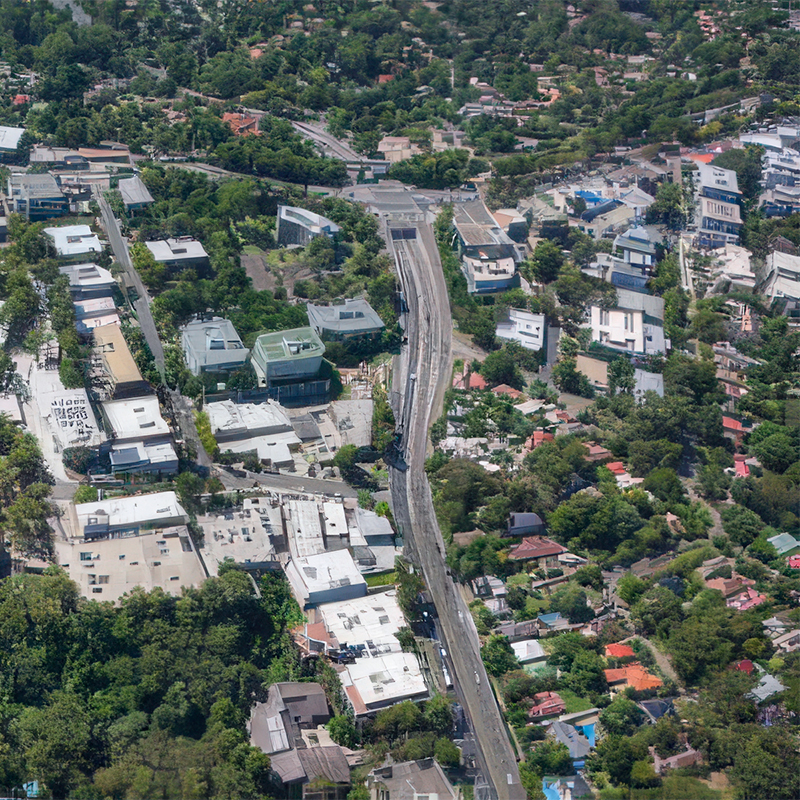
On the unit side, Cremorne Point in Sydney leads nationally with an average holding period of 18.3 years. This reinforces the same underlying dynamic in high amenity, lifestyle driven coastal and harbour suburbs where emotional attachment and location desirability significantly reduce turnover.
Property economist Luc Redman from REA Group notes that these long hold suburbs are typically stable, middle ring areas with high owner occupier appeal. Families establish roots, integrate into school catchments, build local networks, and gradually reduce mobility over time. This behavioural pattern creates a compounding supply constraint that is not easily reversed through new listings or short term market shifts.
What makes this trend particularly significant is its cumulative effect on available housing stock. When properties are held for 15, 20 or even 25 years, natural turnover slows dramatically. Even in periods of strong demand, listing volumes remain structurally limited because the base of available stock is effectively locked in.
This creates a market condition where demand pressure does not translate into proportional supply response. In practical terms, buyers are competing within a restricted pool of opportunities that replenishes slowly, regardless of price movements or interest rate cycles.
The impact on pricing stability is material. Suburbs with long hold periods tend to experience shallower downturns during corrections, as forced selling is less common and equity positions are typically stronger. Conversely, when demand increases, prices can adjust quickly due to the scarcity of available stock.
Another important factor is the lifestyle inertia embedded in these locations. Once households settle into areas with strong schools, transport access, and community infrastructure, the perceived cost of moving extends beyond financial considerations. Disruption to schooling, commuting patterns, and social networks becomes a powerful deterrent to relocation.
This has long term implications for housing policy and supply planning. Even if new dwellings are introduced into the broader system, entrenched ownership patterns in established suburbs mean that effective liquidity remains constrained. Supply is not just a function of construction, but also of behavioural turnover.
For buyers and investors, this environment requires a shift in strategy. Traditional assumptions around listing availability no longer hold in tightly held suburbs. Access becomes less about timing the market and more about accessing opportunities through relationships, off market channels, and sustained local engagement.
The divergence between high turnover and low turnover suburbs is also widening. Growth areas may offer more frequent opportunities but often lack the stability and long term capital protection seen in entrenched middle ring markets. Meanwhile, tightly held suburbs offer resilience but require patience and stronger acquisition capability.
Ultimately, the supply lockdown phenomenon is a structural feature of the modern housing market. It reflects how Australians are using property not just as an investment or transitional asset, but as a long term foundation for lifestyle stability and wealth preservation.