The long-standing belief that property values double every ten years has been eclipsed by a remarkable new reality: in 179 suburbs nationwide, values have doubled within just five years.
This acceleration reveals a profound shift in suburban growth dynamics, driven by affordability migration, demographic change, infrastructure investment and increasing demand for lifestyle-oriented locations.
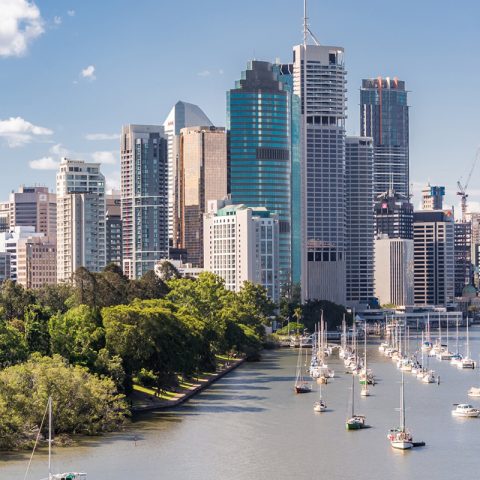
Queensland dominates the list of fast-growing suburbs, with 93 locations experiencing 100% or greater value growth over the five-year period. Woodridge stands out as the state’s strongest performer, with prices soaring 171.4%. Queensland’s strength reflects several key factors, including its relative affordability compared with other eastern states, strong interstate migration from NSW and Victoria, and improvements in transport connectivity across major growth corridors.
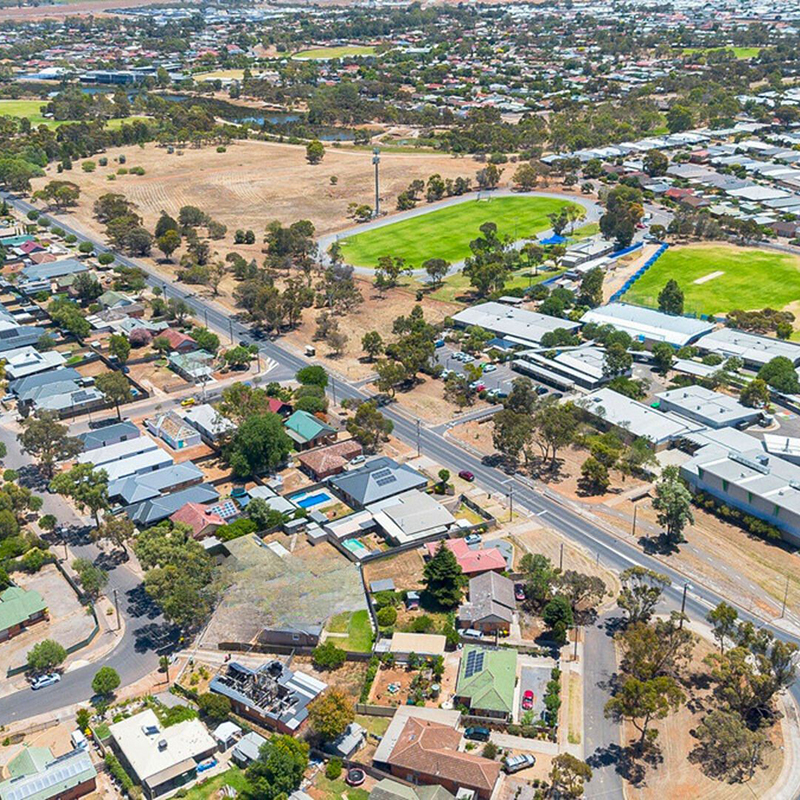
Although Queensland leads in volume, South Australia claims the title for the steepest individual price rises. Of the state’s 35 suburbs on the national list, six recorded growth above 150%. Davoren Park tops the national chart with a remarkable 192.5% increase. These extraordinary gains have been driven by a surge in first-home buyers and investors seeking properties well below the city’s median price, along with ongoing regeneration projects and new community facilities that have boosted appeal.
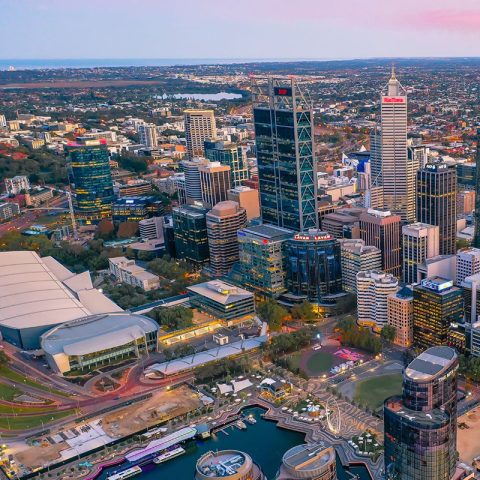
Western Australia also demonstrates strong momentum, with 45 suburbs doubling in value. Armadale leads the state’s performers, up 149.3% over the five-year window. WA’s growth stems from its improving economic conditions, resurging mining sector, and relatively low base prices that attracted both local and east-coast investors seeking higher rental yields and capital upside.
New South Wales has a smaller representation, with six suburbs crossing the doubling threshold. Yet its standout achiever, Colebee, has posted growth of 182.4%, fuelled by large-scale development, enhanced road infrastructure and proximity to major employment hubs. NSW’s limited entry in the list is largely due to its already high housing costs, which make rapid doubling mathematically harder compared with more affordable states.
Domain senior economist Joel Bowman emphasises that the common denominator among fast-growth suburbs is affordability relative to broader market medians. Areas with lower entry prices are more accessible to a wide range of buyers, particularly during periods of constrained borrowing capacity. When affordability tightens across capital cities—as seen in recent years—buyers increasingly shift to fringe or developing locations where their budgets stretch further. As demand intensifies in these pockets, values escalate rapidly. Another strong driver of growth is infrastructure investment. Suburbs benefiting from new rail links, road upgrades, hospital expansions or school developments typically attract new demand from both owner-occupiers and investors. These upgrades not only enhance liveability but also enable greater accessibility to employment hubs. A suburb once considered too remote can transform dramatically once reliable transport options become available.
Demographic change also ranks among the key contributors to the rapid doubling trend. Younger families, first-home buyers and new migrants often cluster in affordable outer-suburban markets. As these populations expand, demand for local services and amenities grows, prompting further investment from private developers and governments. This cycle of demographic expansion and infrastructure growth compounds long-term price gains.
Investors have played a critical role as well. With rental shortages across the nation, suburbs offering low purchase prices and strong yields became magnets for investors seeking reliable returns. As more investors entered these markets, competition increased, placing upward pressure on sale prices.
The surge in rapidly doubling suburbs highlights the shifting geography of opportunity within Australia’s property landscape. While premium suburbs continue to command prestige, it is the emerging growth corridors—often overlooked just years earlier—that are generating the strongest capital gains. Their performance underscores a broader trend: affordability remains the single most powerful catalyst for price acceleration.