The latest decision from the Reserve Bank reflects a balancing act that is becoming harder to manage. This marks the second consecutive monthly increase in interest rates, and while the move itself may not surprise seasoned observers, the reasoning behind it reveals a more complex picture.
Global events are playing a role. Ongoing tensions in the Middle East have pushed fuel prices higher, and that cost flows quickly through the economy. Transport becomes more expensive, goods follow, and households feel the pressure almost immediately. But fuel is only one piece of the puzzle.
Inflation was already sitting above the Reserve Bank’s target range before these external pressures intensified. The core issue remains the same. Demand across the economy is still running ahead of supply. That imbalance continues to push prices higher, even without additional shocks.
What stands out in this latest decision is how close it was. The vote was split, with five members supporting the increase and four opposing it. That kind of division signals uncertainty. It tells you there is no clear consensus on how much tightening is enough, or how much households can absorb before the broader economy starts to slow too sharply.
For borrowers, the impact is immediate. Someone with a $500,000 variable mortgage will now be paying around $151 more per month following the two recent increases. When combined with rising insurance, energy, and everyday costs, this becomes a meaningful shift in household budgets.
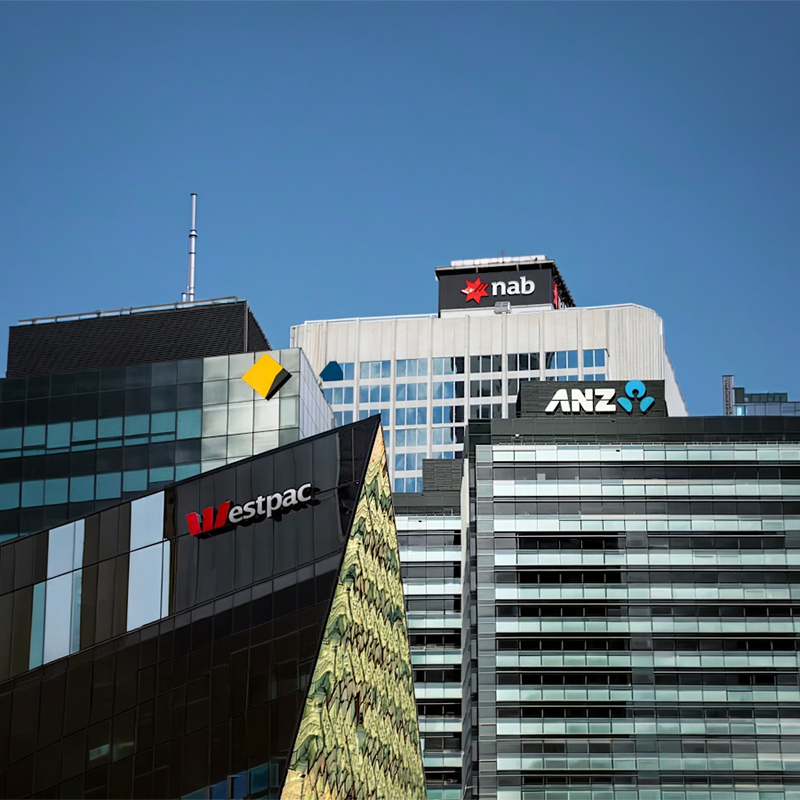
The major banks are already looking ahead. Many have revised their forecasts and are now expecting another rate rise when the Reserve Bank meets again in May. If that eventuates, this cycle of tightening has further to run.
RBA Governor Michele Bullock has been clear in her messaging. Higher petrol prices alone will not be enough to bring inflation under control. The broader goal is to slow demand across the economy, and interest rates remain the primary tool to achieve that.
For buyers and investors, this creates a more nuanced environment. Higher rates can reduce borrowing capacity and cool competition, but they can also open doors. When some buyers step back, others find opportunities. Negotiation becomes more important. Preparation matters more.
This is where a steady approach pays off. Markets do not move in straight lines, and periods like this often separate reactive decisions from strategic ones. Buyers who understand their numbers and stay focused on long term fundamentals tend to navigate these conditions more effectively.
The headline might be about rising rates, but the underlying story is about adjustment. The market is recalibrating, not retreating. And for those paying attention, that can present opportunities that are not always available in more heated conditions.