The movement of Australians away from major capital cities and into regional communities continues to reshape the nation’s housing market. New figures show that the number of people relocating from capital cities to regional areas reached an equal-highest level during the June quarter, matching the migration activity recorded during the Covid-era regional property boom.
According to the latest Regional Movers Index, the attraction of regional living has remained remarkably strong despite changes in economic conditions, housing affordability and workplace arrangements. Capital city residents moving to regional Australia continue to outnumber those relocating in the opposite direction by 30%, demonstrating that regional migration remains a significant feature of Australia’s population trends.
The figures suggest that the shift towards regional communities is more than a temporary response to pandemic restrictions. For many households, relocating away from a major city has become a long-term lifestyle decision influenced by housing choices, employment opportunities and the desire for a different living environment.
Regional Australia Institute CEO Liz Ritchie says the latest findings highlight the enduring appeal of regional communities. Importantly, the movement is no longer concentrated exclusively in established coastal destinations. Australians are increasingly considering a wider selection of locations, including inland towns and communities that may previously have attracted less attention from relocating households.
This broader interest is particularly important for regional centres seeking to strengthen their populations and local economies. New residents can support businesses, schools, healthcare services and community organisations, while also increasing demand for housing and infrastructure.
Sydney and Melbourne remain the two largest sources of people leaving capital cities for regional locations. Both cities have substantial populations and relatively expensive housing markets, making regional alternatives attractive to households looking for additional space or different property options.
For some buyers, the decision to relocate is driven by the possibility of securing a larger home or more land than their metropolitan budget would otherwise allow. Others are prioritising lifestyle benefits such as shorter commuting distances, access to natural surroundings and a stronger connection with their local community.
The five most popular destinations identified in the Regional Movers Index are the Sunshine Coast, Greater Geelong, Lake Macquarie, Fraser Coast and Moorabool. These locations offer different combinations of coastal living, established regional infrastructure, employment opportunities and accessibility to major population centres.
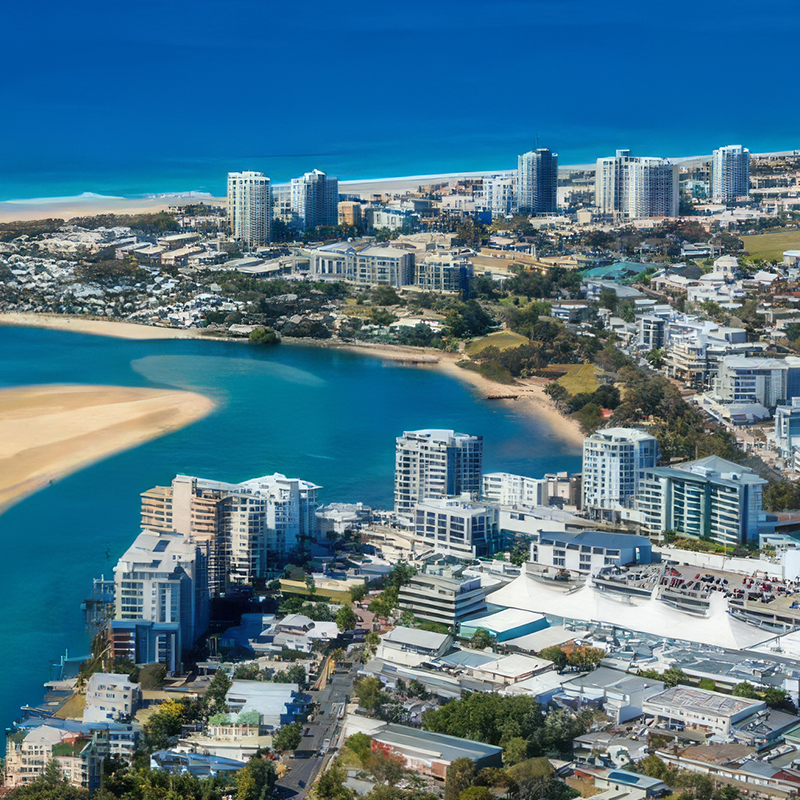
The Sunshine Coast continues to demonstrate its appeal as a major destination for people seeking a coastal lifestyle without completely disconnecting from metropolitan services. Its combination of beaches, established residential communities, healthcare facilities and growing commercial activity provides a range of attractions for relocating households.
Greater Geelong offers a different proposition, combining regional living with proximity to Melbourne. Its established employment base, transport connections and diverse housing market make it an option for people wanting to remain within reach of a capital city while living outside its metropolitan boundaries.
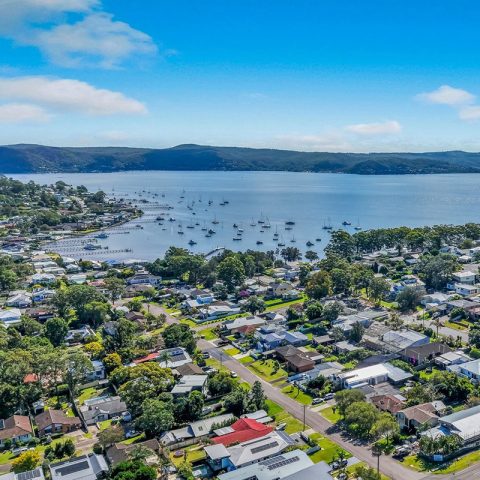
Lake Macquarie similarly benefits from its coastal and lakeside environment, together with connections to Newcastle and surrounding employment centres. For households seeking a balance between lifestyle and practical accessibility, these characteristics can influence relocation decisions.
Fraser Coast and Moorabool illustrate how the popularity of regional migration extends across different types of communities. While Fraser Coast attracts interest through its coastal environment and established regional centres, Moorabool offers rural and semi-rural living opportunities within reach of Melbourne’s broader economic region.
However, continued population movement can create challenges alongside the benefits. Stronger housing demand may place pressure on rental availability, property prices and essential services, particularly in communities where residential construction has struggled to keep pace with population growth.
Regional councils and planning authorities may therefore need to consider how future housing supply, transport networks and community facilities can accommodate additional residents. Without appropriate infrastructure investment, the lifestyle advantages attracting newcomers could become harder to maintain.
For property buyers, migration trends provide useful context but should not be treated as a guarantee of future capital growth. The performance of individual regional housing markets still depends on local employment conditions, housing supply, affordability, population demographics and the quality of available properties.
A region experiencing strong population inflows may offer opportunities, but buyers should distinguish between sustained demand and temporary increases in market activity. Comparing recent sales, rental conditions and local development pipelines remains essential before making a purchasing decision.
For existing homeowners, ongoing migration can influence the depth of the buyer market and the types of properties attracting interest. Family homes, properties with additional working space and residences close to essential services may appeal to households arriving from larger cities.
The latest Regional Movers Index reinforces the importance of regional Australia within the broader housing landscape. With city-to-region migration matching its Covid-era peak and regional arrivals continuing to exceed departures by 30%, the appeal of living beyond the capitals remains firmly established.
The longer-term challenge will be ensuring that regional communities can accommodate this interest while preserving the lifestyle, affordability and accessibility that make them attractive in the first place.