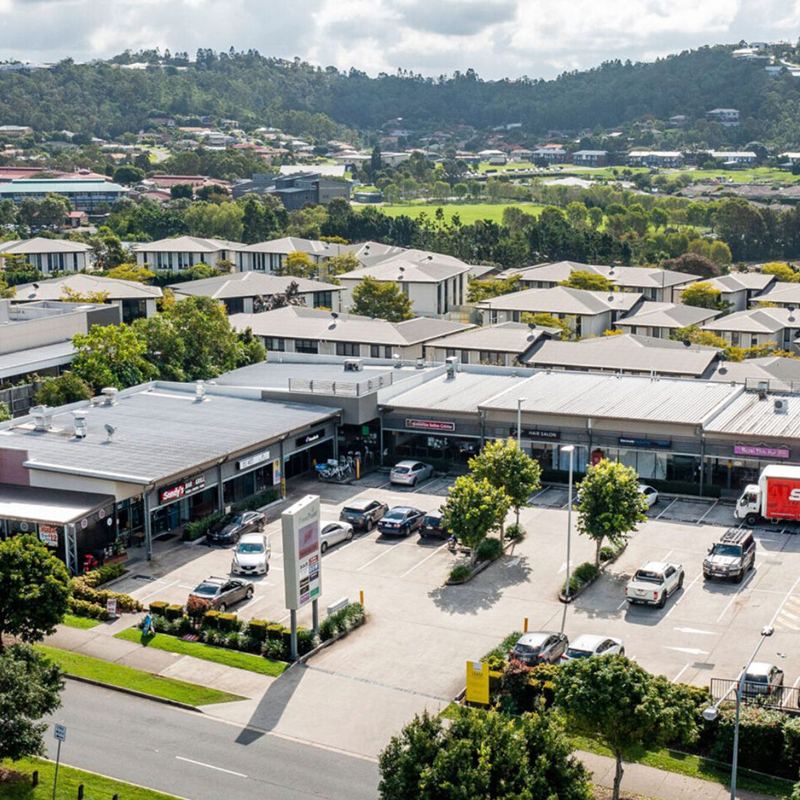
Commercial property investors are shifting their focus, and retail assets are back at the top of the list.
After years of being overshadowed by industrial and logistics property, the retail sector has re-emerged as the most sought-after commercial investment class heading into 2026, according to analysis from CBRE.
Several factors are driving this renewed interest. Consumer spending has proven more resilient than expected, vacancy rates remain tight across many centres, and the pipeline of new retail supply is limited. Together, these dynamics are creating favourable conditions for landlords, particularly those holding well-located and established assets.
Transaction data reflects this change in sentiment. In 2025, the value of retail property transactions increased by almost 20%, reaching $11.3 billion. That level of activity signals growing confidence among institutional and private investors alike, many of whom had previously adopted a wait-and-see approach.
CBRE’s head of retail capital markets, Simon Rooney, says demand for retail assets has been exceptionally strong. He describes investor appetite in 2025 as almost insatiable, with competition intensifying for quality stock. Regional shopping centres, in particular, have attracted heightened interest.
Rooney points to a combination of fundamentals supporting regional retail performance. Minimal new supply has helped protect existing centres from oversaturation. At the same time, population growth driven by high levels of immigration is lifting catchment demand. Strict planning regimes in many regional locations further reinforce the value of incumbent assets by limiting competing developments.
These factors are translating into solid income performance. CBRE is forecasting rental growth for Australian shopping centres in the mid single digits through 2026. While growth is expected across most markets, Perth is tipped to outperform, reflecting strong population growth and limited new retail development in Western Australia.
The appeal of retail property also lies in its evolution. Modern centres are no longer purely transactional spaces. They increasingly integrate services, food, entertainment and convenience-based offerings that are less vulnerable to online competition. This shift has improved foot traffic stability and tenant mix resilience.
For investors, regional centres often offer higher yields compared to metropolitan counterparts, along with strong tenant retention and lower vacancy risk. These attributes have become more attractive in an environment where pricing for industrial assets has tightened and cap rates have compressed.
Population growth remains the critical long-term driver. As more people move into regional cities and growth corridors, demand for everyday retail services follows. Centres that service non discretionary spending, such as groceries, health services and essential retail, are particularly well positioned.
While risks remain, including consumer sentiment fluctuations and cost pressures on retailers, the overall outlook for retail property appears stronger than it has in years. For diversified property portfolios, retail is once again being viewed as a core component rather than a peripheral allocation.