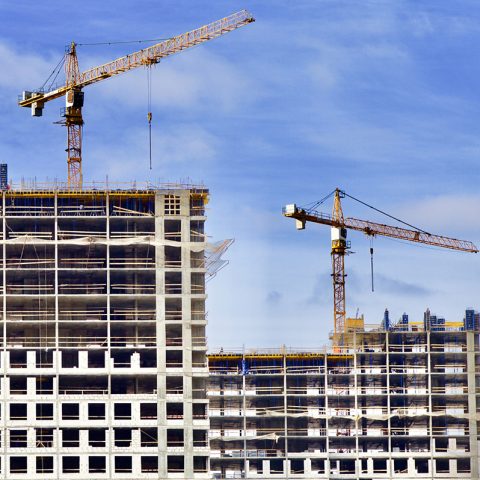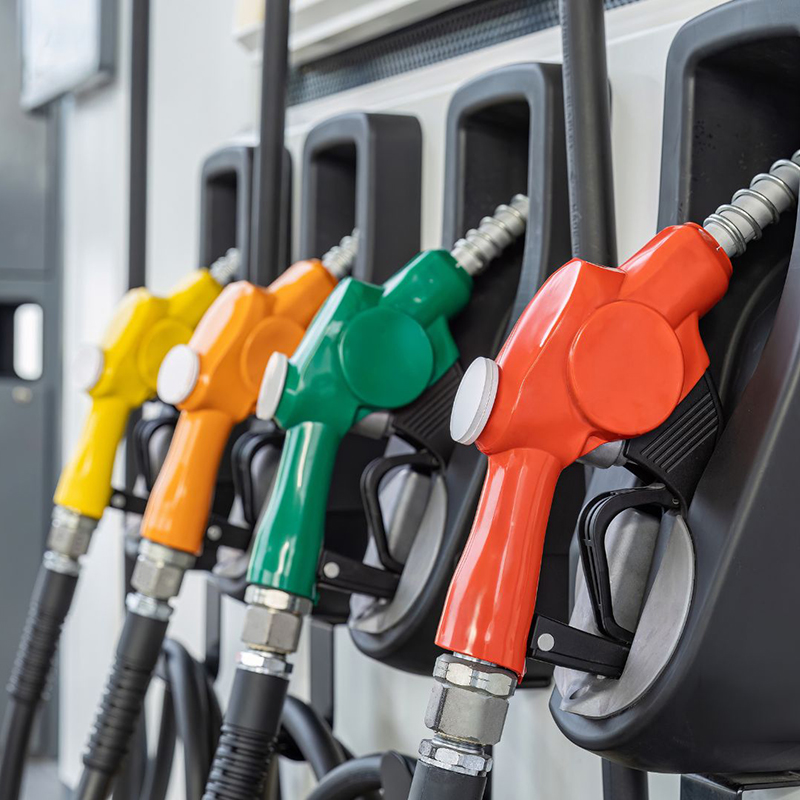
Fuel supply disruptions are starting to ripple well beyond the bowser, and the construction sector is feeling it in real time. What began as geopolitical tension in the Middle East is now translating into tangible cost pressures across building sites, supply chains, and project feasibility.
Builders are not just dealing with higher fuel prices. They are facing a growing list of challenges tied to how materials are sourced, shipped, and delivered. When transport routes are disrupted or restricted, the cost of getting materials from Europe and other global suppliers rises sharply. In some cases, builders have reported freight costs increasing tenfold when switching from traditional shipping routes to air freight just to keep projects moving.
That kind of cost escalation does not sit neatly within existing budgets. It creates friction at every level of a project, from early feasibility right through to completion. Developers and builders are being forced to reassess timelines, renegotiate supply agreements, and in some cases delay projects altogether.
One of the biggest pressure points is fixed-price contracts. These agreements were often signed months or even years ago, locking in costs based on a very different economic environment. With construction costs now rising rapidly, builders are left absorbing the difference. That erodes margins and increases financial risk across the industry.
The numbers tell a clear story. The Cordell Construction Cost Index shows that building costs have climbed 35.4% between the end of 2019 and early 2026. That is not a gradual shift. It is a sharp and sustained increase that has reshaped how projects are assessed and delivered.
Looking ahead, there is little sign of immediate relief. Industry analysts expect further increases, with upcoming data likely to reflect another notable jump in construction costs. Fuel shortages do not just impact pricing. They also affect the ability to physically move materials across the country. Delays in transport can slow down projects, stretch timelines, and create bottlenecks that ripple through the entire supply chain.
For buyers and investors, this matters more than it might seem at first glance. Higher construction costs reduce the viability of new developments. That, in turn, limits future housing supply. When supply tightens and demand holds steady, price pressure builds.
It is one of those behind-the-scenes factors that quietly shapes the property market. You might not see it when you walk through a home, but it plays a big role in what gets built, when it gets built, and how much it ultimately costs.