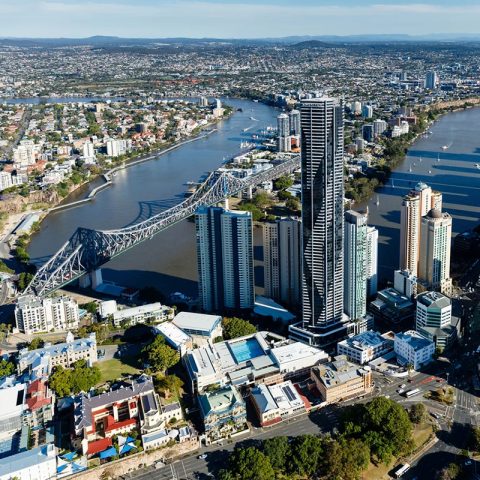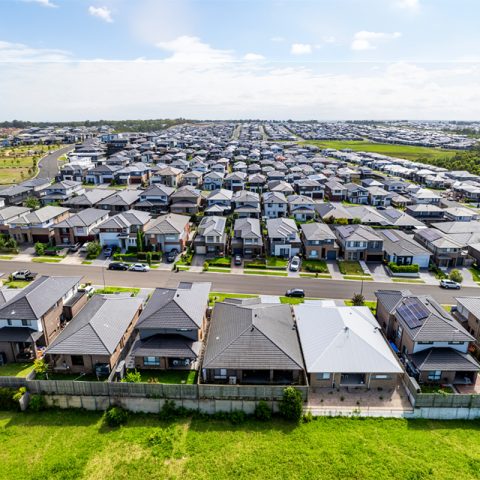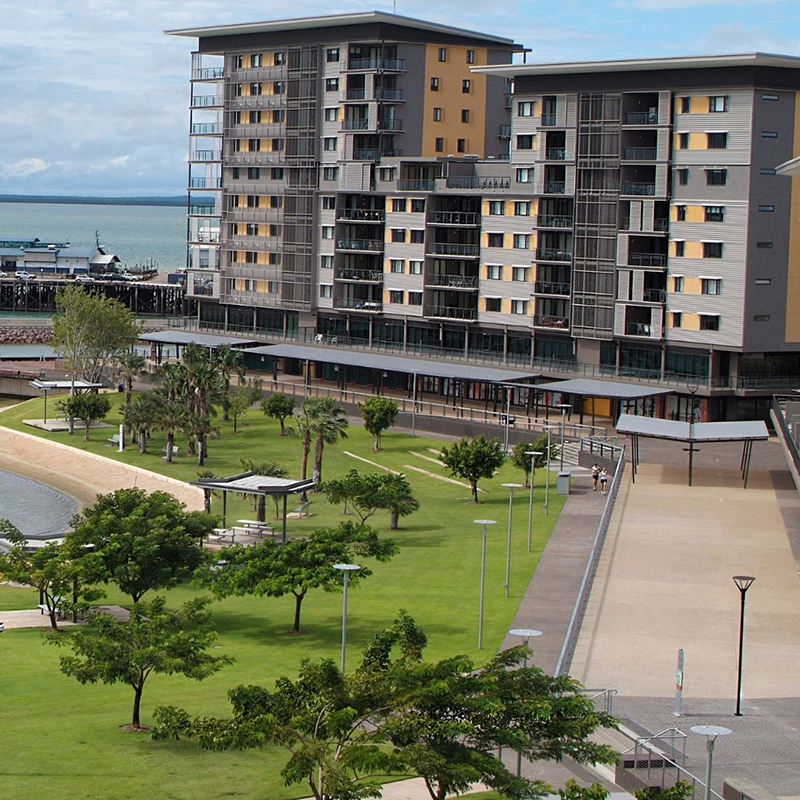
Brisbane, Perth, Adelaide and Darwin are not just outperforming, they are reshaping the national property conversation.
The latest data from Cotality shows a clear divide between the smaller capital cities and the traditional heavyweights. Over the past month, house values have risen most in Perth, Darwin, Brisbane and Adelaide, while Sydney and Melbourne have slipped slightly.
That short-term trend lines up with the longer view. Over the past 12 months, median house values have jumped by 24.3% in Perth, 19.7% in Darwin, 19% in Brisbane and 11.4% in Adelaide. Meanwhile, Sydney and Melbourne have recorded much softer gains of 4.8% and 3.4% respectively.
This is more than a cycle. It’s a shift in where value is being found. For years, Sydney and Melbourne dominated investor attention. But affordability constraints, higher entry prices and lower yields have pushed buyers to look elsewhere. What they’re finding in the smaller capitals is a better balance between price, growth and income.
Tim Lawless from Cotality makes the point that housing outcomes are becoming increasingly diverse across the country. That’s exactly what we’re seeing play out. There is no longer a single national market. Each city is moving on its own trajectory, shaped by local supply, infrastructure and population trends.
The mid-sized capitals are now consistently hitting record highs. Monthly growth rates of 1.2% or more are being recorded across these markets, while Sydney and Melbourne have been tracking a softer decline since late last year. That contrast is hard to ignore.
Brisbane sits right in the middle of this shift. It offers something that Sydney and Melbourne no longer do at scale, relative affordability combined with strong population growth and a deep pipeline of infrastructure. Projects tied to the 2032 Olympics, along with transport upgrades and urban renewal, are creating real momentum.
From a buyer’s perspective, timing matters. These markets are not at the peak of their cycle yet. In many cases, they are still building momentum. That creates an opportunity window, particularly for interstate investors who are prepared to act before growth becomes fully priced in.
It also reinforces the importance of being selective. Not every suburb within these cities will perform equally. Growth tends to concentrate around key infrastructure nodes, employment hubs and lifestyle precincts. This is where local insight becomes critical.
For commercial buyers especially, the ripple effect of residential growth is important. Population increases drive demand for retail, office and mixed-use space. As more people move into Brisbane and surrounding precincts, tenant demand follows.
The takeaway is straightforward. The centre of gravity in the Australian property market has shifted. Smaller capitals are no longer secondary options. They are leading the cycle, and Brisbane is firmly in that group.