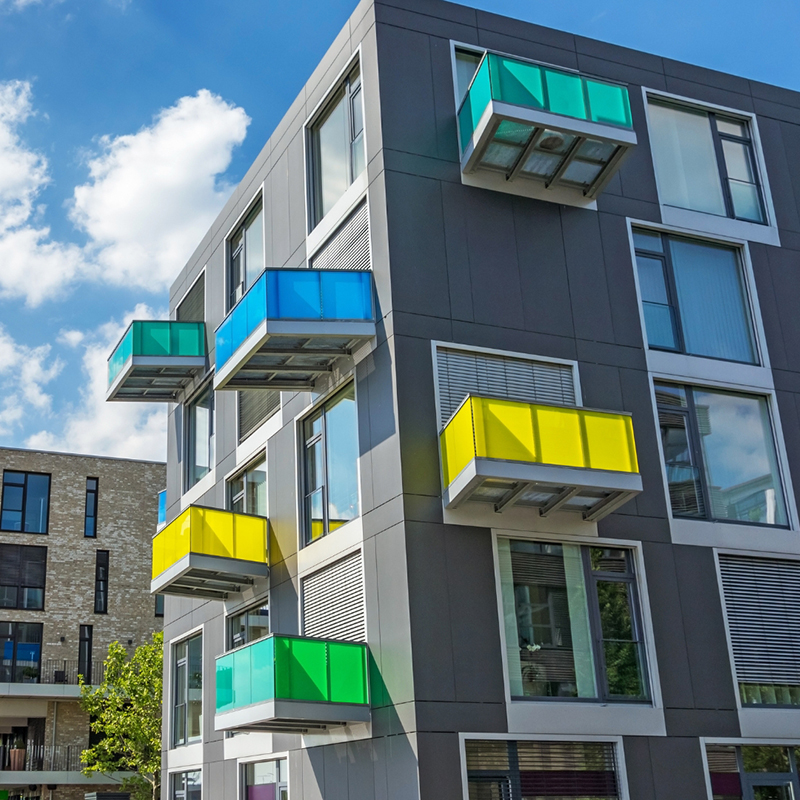
The supply of purpose-built student accommodation is emerging as an important issue for Australia’s broader housing market, with new figures showing a slowdown in the development pipeline. While student housing is often considered separately from traditional residential accommodation, the two markets are closely connected. When dedicated student accommodation is unavailable, students frequently seek rooms in private rental properties, adding another source of demand to an already competitive housing sector.
Research from Urbis and the Student Accommodation Council reveals that the number of proposed student accommodation beds at the development application stage has declined from 12,000 to 11,471 since May. This represents a reduction of 4.4% and raises concerns about the amount of new accommodation that could become available in future years. Although the decline may appear relatively modest, it is significant because development applications represent an early stage in the process of bringing new accommodation projects to completion.
The figures also reveal a more encouraging situation for projects already under construction. Student Accommodation Council executive director Dr Adele Lausberg says nearly 18,000 beds are currently being built across Australia. This represents a substantial investment in the sector and should eventually provide additional housing options for students. However, the reduction in the number of beds progressing through the planning system suggests that the current construction pipeline may not be maintained unless new projects continue to secure approvals and funding.
The distinction between projects under construction and those awaiting development approval is particularly important. Accommodation being built today reflects investment decisions made during earlier planning periods. Projects currently at the application stage represent potential future supply, often several years away from completion. If fewer proposals enter or progress through the development process, the effects may not become apparent immediately. Instead, the shortage could emerge later, when existing construction projects have been completed and fewer replacements are ready to proceed.
Urbis director Alex Stuart has highlighted the industry’s willingness to invest, pointing to the almost 18,000 beds currently under construction. However, he has also questioned whether that momentum can translate into a sustained increase in student housing supply. The concern is that strong current construction activity may create an impression of long-term progress while the pipeline of future projects begins weakening. Maintaining development momentum will require conditions that support further investment, approvals and successful project delivery.
Purpose-built student accommodation generally provides housing designed around student requirements, often incorporating furnished rooms, shared facilities, study areas and access to education institutions. These properties can accommodate students who might otherwise compete for traditional apartments, houses or shared rental accommodation. The benefits are therefore not limited to the students who occupy the buildings. Additional dedicated accommodation can also reduce some demand pressure on the surrounding private rental market.
This relationship is particularly relevant in suburbs surrounding major universities and education precincts. Students commonly seek housing within reasonable travelling distance of their campus, public transport, employment opportunities and everyday services. When dedicated accommodation is limited, private rentals in these locations may attract competition from students, young professionals and established households. The resulting demand can make it more difficult for renters to secure affordable accommodation, particularly where vacancy rates are already low.
A sustained expansion in purpose-built student accommodation could help reduce some of these pressures by providing alternative housing options. However, the extent of the benefit will depend on where new projects are located, how affordable they are and whether they meet the needs of students who would otherwise rent privately. High-quality accommodation with extensive facilities may appeal to some students but remain financially inaccessible to others. Consequently, increasing the number of available beds is important, although affordability and location must also be considered.
The development slowdown also needs to be viewed within Australia’s wider housing supply challenges. Residential construction projects are affected by land costs, labour availability, financing conditions and approval processes. Student accommodation developments can face similar obstacles, particularly where projects require specialised design, significant upfront capital or development sites close to established education facilities. Even when investor demand exists, these practical constraints can make it difficult to convert proposed projects into completed accommodation within the required timeframe.
For property investors, changes in student housing supply may influence rental demand in university-oriented locations. A shortage of dedicated beds could increase competition for suitable private rentals, while the completion of substantial new accommodation projects may provide students with additional choices. Neither outcome guarantees a particular rental return. Investors still need to consider local vacancy rates, property suitability, tenant demand, maintenance expenses and the total cost of ownership before making purchasing decisions.
The implications also extend to government housing policy and education planning. Student accommodation can contribute to the broader housing response by providing dedicated supply for a particular group of renters. Planning frameworks that support appropriate projects, alongside investment in conventional housing, may help improve accommodation availability. However, student housing should be viewed as one component of a wider strategy rather than a complete solution to rental shortages affecting families, workers and other households.
The latest Urbis and Student Accommodation Council findings reinforce the importance of maintaining a consistent development pipeline. Nearly 18,000 beds under construction provide a positive contribution to future supply, but the 4.4% decline in proposed beds signals potential challenges beyond the current building program. Sustained investment and planning activity will be necessary to prevent new shortages from emerging. For the broader property market, increasing suitable student accommodation could help ease some pressure on private rentals while supporting the long-term housing needs of Australia’s education sector.