The national median house value may have reached $1 million, but buyers searching below that threshold are not completely locked out of the detached housing market, with new analysis identifying suburbs across the major capital city regions where houses remain available for less than seven figures.
Realestate.com.au senior economist Angus Moore says there are still numerous pockets within Greater capital city markets where freestanding houses can be purchased without a $1 million price tag. While affordability varies significantly between cities and locations, the findings demonstrate that the national median does not reflect every individual suburb.
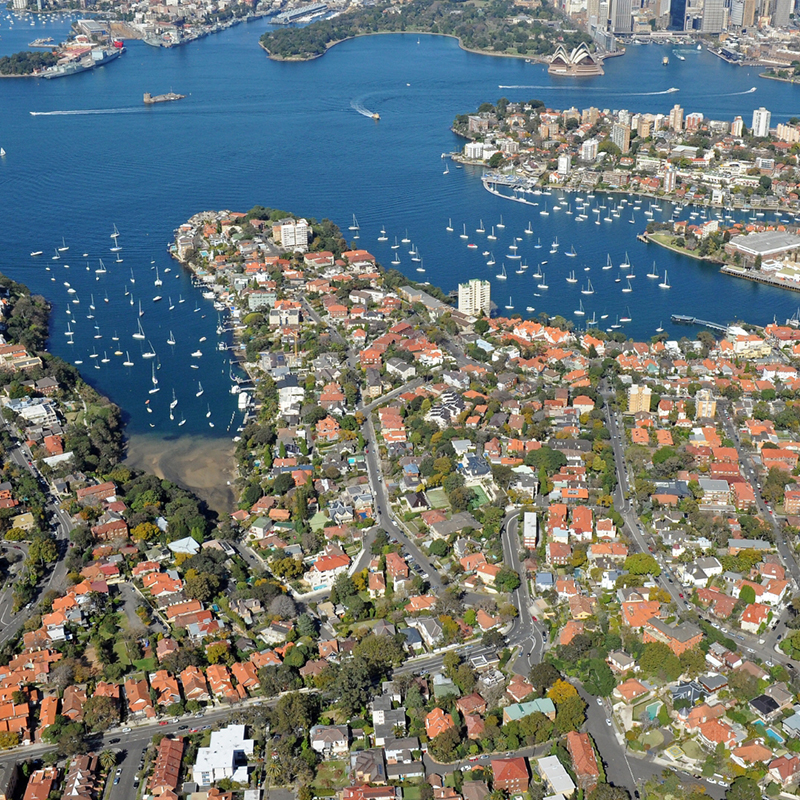
Greater Sydney remains one of the country’s most expensive housing markets, but buyers can still find areas where a significant proportion of detached homes sit below $1 million. Willmot and Tregear have the highest proportion of houses priced below that level within Greater Sydney.
The availability of sub-$1 million houses increases considerably in Greater Melbourne. The analysis identifies multiple suburbs where all houses are valued below $1 million, including Jacana, Eumemmerring and Broadmeadows.
These locations demonstrate the substantial differences that can exist within a single metropolitan market. Buyers who have flexibility around location may find that expanding their search beyond highly sought-after inner and middle-ring suburbs can dramatically alter the type of property available within their budget.
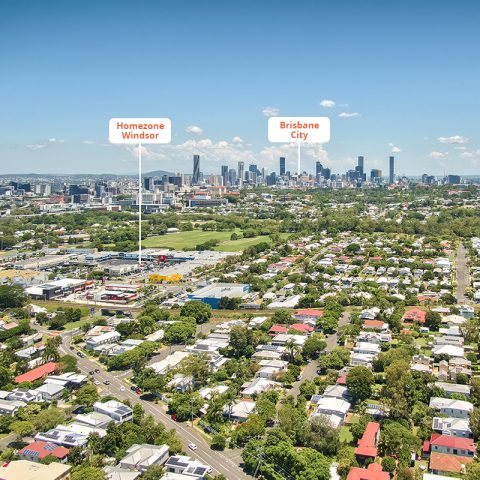
Greater Brisbane also retains areas where every house falls below the $1 million benchmark. Two suburbs meet that measure: Leichhardt and One Mile, both located within the Ipswich Local Government Area.
Ipswich has long provided a more affordable alternative to many Brisbane suburbs, particularly for buyers seeking detached housing. Its inclusion in the analysis shows that houses below seven figures have not disappeared from the broader Brisbane metropolitan region, although buyers may need to consider locations further from the CBD.
Greater Perth provides an even wider selection. More than ten suburbs have all houses valued below $1 million, with Stratton, Medina and Brookdale among the locations identified.
Perth has experienced substantial property price growth in recent years, placing increased pressure on affordability across many suburbs. Nevertheless, the presence of more than ten areas where houses remain entirely below $1 million shows that buyers still have options at a price point that has become increasingly difficult to find in some eastern capital city markets.
The northern suburbs dominate Greater Adelaide’s affordable housing results. Around Elizabeth and Salisbury, 100% of homes are valued below $1 million, providing buyers with another concentration of detached housing beneath the national median house benchmark.
The analysis highlights an important consideration when interpreting national property figures. A national median provides a useful indication of overall market conditions, but it does not mean every buyer now requires at least $1 million to purchase a house.
Property prices are influenced heavily by location, dwelling type, land size, local amenities, transport connections and demand. Even within the same capital city, buyers can encounter vastly different prices by moving between neighbouring regions or changing the type of property they are prepared to consider.
Moore says buyers unable to secure a freestanding home closer to inner-ring capital city suburbs for $1 million may still have numerous more affordable opportunities in apartment markets.
That distinction is becoming increasingly relevant as detached house prices rise. Buyers who prioritise proximity to employment, transport, entertainment or established amenities may find that an apartment allows them to remain closer to the city while staying within budget.
Others may prefer to retain the space and land associated with a detached house and compromise on distance from the CBD. The analysis shows that both approaches remain possible, although the available options differ substantially between capital cities.
For first-home buyers in particular, understanding these trade-offs can broaden the search process. Rather than treating the $1 million national median as a universal entry price, buyers can compare individual suburbs and dwelling types to identify areas that align more closely with their financial position.
Investors may also find the geographic differences relevant. More affordable suburbs can offer a lower initial purchase price, although price alone does not determine whether a property represents a suitable investment. Rental demand, vacancy rates, employment, infrastructure, population trends and future housing supply remain important considerations.
The findings ultimately show that the milestone of a $1 million national median does not mean affordable property has vanished from the capital city landscape. Greater Sydney still has pockets such as Willmot and Tregear, while Melbourne, Brisbane, Perth and Adelaide offer varying concentrations of houses below the threshold.
Buyers prepared to broaden their preferred location, consider outer metropolitan markets or explore apartments closer to the city can still find alternatives below seven figures.
As property values continue to change, suburb-level research is becoming increasingly important. National and citywide medians provide useful context, but the price buyers ultimately pay is determined by conditions in the individual market where they choose to purchase.