Rental markets across the country are continuing to experience upward pressure, driven primarily by persistently low vacancy rates. As available rental stock remains limited, competition among tenants is intensifying, leading to consistent increases in asking rents across most capital cities.
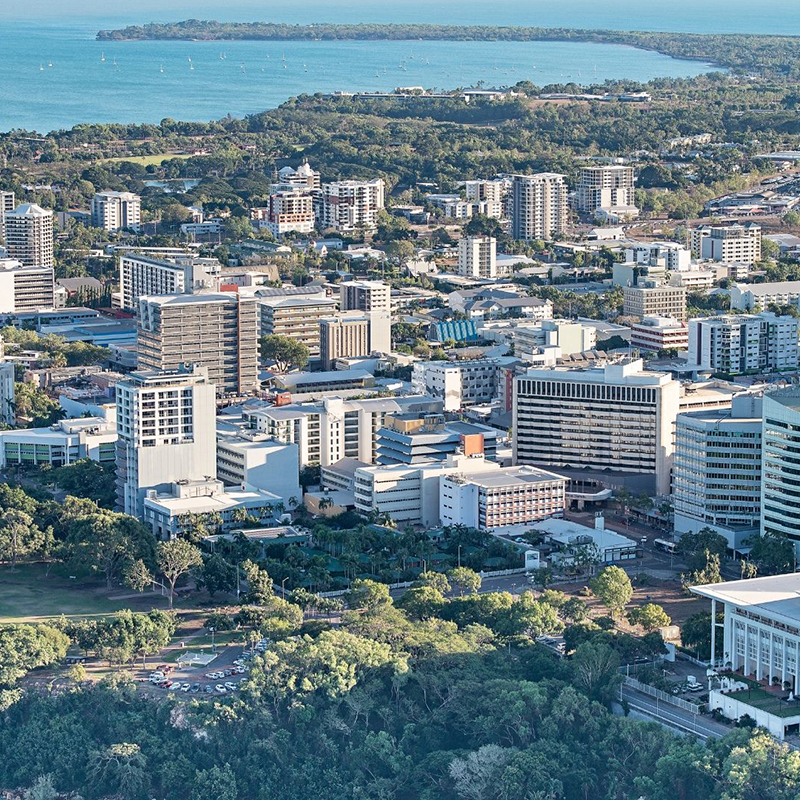
Data from My Housing Market shows that Darwin recorded the strongest monthly growth in house rents during March, rising by 5.5%. This increase has pushed Darwin’s median asking rent for houses to $793 per week, making it the second-highest in the country behind Sydney, where rents rose by 2.5% to $820 per week.
In the unit market, Hobart experienced the most significant growth, with rents increasing by 6.6% to $525 per week over the same period. Sydney also saw continued upward movement in unit rents, rising by 1.9% to reach $800 per week. These figures reflect the ongoing imbalance between supply and demand in key rental markets.
Chief Economist Andrew Wilson notes that cities such as Perth, Hobart, and Brisbane have recorded solid annual growth in house rents, while unit rents have generally increased across all capital cities over the past year. This widespread growth highlights the national nature of the rental squeeze.
Melbourne stands out as the only capital city to record a decline in rents over the past 12 months, with house rents down by 0.4% and unit rents falling by 1.7%. This divergence suggests that local factors, such as supply levels and population trends, can still influence outcomes despite broader national pressures.
The underlying driver of these increases remains the shortage of available rental properties. Vacancy rates in many markets are not only low but continuing to decline, creating conditions for sustained rental growth. As new housing supply struggles to keep pace with demand, this trend is expected to persist.
For tenants, this environment presents ongoing affordability challenges, particularly for lower-income households. For investors, however, rising rents are improving yields, which may encourage further investment in the rental sector.
Ultimately, the trajectory of rental prices will depend on how quickly supply can be increased. Until vacancy rates begin to stabilise, upward pressure on rents is likely to remain a defining feature of the housing market.