Housing affordability is changing the type of property many purchasers consider, particularly in established areas where detached houses have become increasingly difficult to buy within typical household budgets. Townhouses and units are consequently playing a more important role by offering alternatives between traditional houses and high-density apartments.
Domain’s Matching Demand report compared the budgets buyers were using in their property searches with the prices of homes being advertised. The research identified a mismatch across many capital-city markets between what purchasers could afford and the asking prices of detached houses.
Medium-density housing was much more closely aligned with buyer budgets. Units recorded the smallest difference between search budgets and advertised prices, while townhouses occupied an important position between apartments and standalone houses.
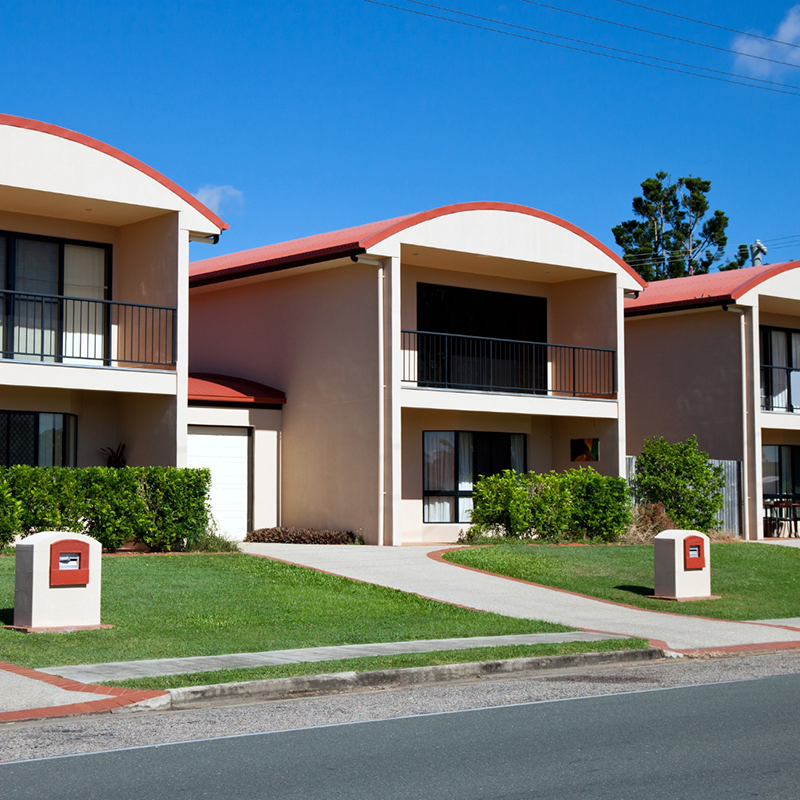
That middle ground can be valuable for buyers who still want features associated with a house but cannot justify or finance the cost of a conventional detached property in their preferred location. A townhouse may provide multiple bedrooms, private outdoor space, a garage and greater separation between living and sleeping areas while requiring less land.
Borrowing conditions have made these compromises increasingly relevant. Rate increases have reduced borrowing capacity by up to 8%, meaning some purchasers can no longer compete for the same properties they could previously afford.
Rather than simply abandoning a preferred location, buyers may reconsider the type of property they need. Trading a large block for a townhouse can potentially allow a household to remain closer to employment, schools, transport, family networks and established services.
This reflects an important change in the way affordability is considered. The cheapest property is not necessarily the most practical choice if buying it requires a household to move much further from work or essential services. Transport costs, commuting time and lifestyle can all form part of the effective cost of housing.
Townhouses can therefore appeal to a broad group of purchasers. First-home buyers may see them as an accessible entry point into established suburbs. Young families can benefit from additional bedrooms and outdoor space without paying the premium associated with a detached house.
Downsizers may prefer a smaller, lower-maintenance property while remaining in the neighbourhood where they already have friends, family and services. Investors may also consider townhouses because this broad owner-occupier appeal can support both rental and resale demand.
Design quality remains important. Not every townhouse development offers the same living experience or investment characteristics. Floor plans, natural light, privacy, storage, parking, outdoor areas and the number of dwellings within a project can all affect desirability.
Location within the development matters as well. An end townhouse may offer more windows or privacy than an internal property, while positioning near visitor parking, driveways or communal facilities can influence noise and amenity.
Body corporate or strata costs also need to be assessed where applicable. A lower purchase price can be less attractive if ongoing fees are unusually high, particularly when the development includes facilities that owners may not value.
The growing relevance of townhouses also highlights the wider shortage of “missing middle” housing. Many established neighbourhoods provide two dominant choices: detached houses on increasingly valuable land or apartments in larger buildings. Neither option suits every household.
Duplexes, terraces, townhouses and other medium-density homes can fill that gap. They increase the number of households that can live within an established area without requiring the density of a major apartment development.
This can be particularly useful in suburbs close to employment centres and public transport. Increasing housing supply in those areas allows more residents to make use of existing infrastructure and can reduce the pressure for continual outward expansion.
Planning systems are increasingly important in determining whether this type of housing can be delivered. Zoning, height restrictions, minimum lot requirements, parking rules and approval processes all influence whether medium-density projects are financially viable.
Simply permitting additional density does not guarantee construction. Land prices, building costs, finance and buyer demand must still support a project. However, providing more flexibility can give developers and landowners additional options where demand exists.
For purchasers, the shift toward medium-density housing requires a more nuanced comparison than deciding whether a house is always preferable to a townhouse. The better question is often which property provides the strongest combination of location, usable space, affordability and long-term appeal within the available budget.
A well-designed townhouse in a desirable established area may meet those requirements more effectively than a detached house much further from the buyer’s preferred location. Conversely, a poorly designed project with high ongoing costs may not offer the same advantages.
As borrowing capacity remains constrained and land in established suburbs becomes increasingly expensive, townhouses are positioned to play a larger role in the housing market. They will not replace detached homes or apartments, but they can broaden the range of realistic choices available.
For buyers adapting expectations around land, location and price, medium-density housing offers another pathway to ownership while retaining many of the practical features households continue to value.