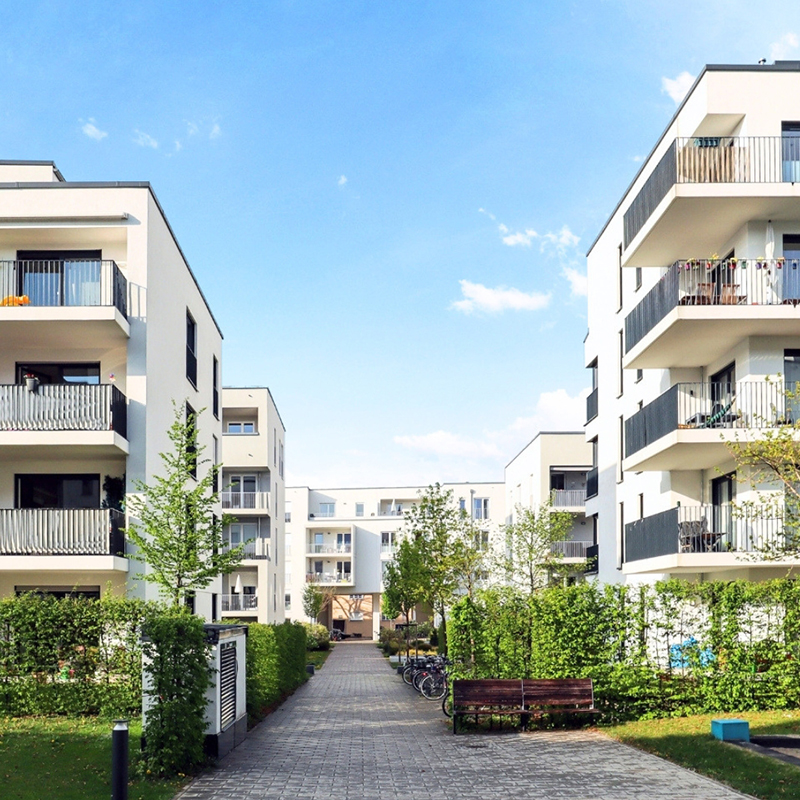
Apartments are experiencing smaller price declines than detached houses across most Australian capital city markets, highlighting a growing divide between property types. As higher interest rates restrict the amount households can borrow, more affordable housing options are attracting attention from buyers trying to remain within their budgets. The latest Cotality figures indicate that units have generally retained a greater share of their value during the downturn, although performance differs between cities and individual locations.
Across the combined capital cities, house values have fallen 6.9% since January, compared with a 4.3% decline for units over the same period. Both categories have weakened, but houses have recorded the larger reduction. The difference of 2.6 percentage points is meaningful for buyers and sellers assessing conditions. It shows that resilience does not necessarily mean prices are rising; in this case, units are outperforming primarily because their values have declined less sharply than house values.
Cotality research director Tim Lawless says lower-priced sections of the housing market, including units, have tended to hold up better as serviceability becomes more difficult. Mortgage serviceability measures a borrower’s capacity to meet repayments under lender assessment rules. When interest rates increase, the amount an applicant can qualify to borrow commonly decreases, even if their income remains unchanged. Buyers may then adjust their expectations about location, dwelling size and property type to keep purchases within their financial limits.
The relative affordability of apartments provides important context. Nationally, the median apartment value is $727,280, which is 39% below the median house value. That sizeable difference can make apartments a more accessible entry point for first home buyers, downsizers and some investors. It may also allow purchasers to consider better-connected suburbs than would be possible if they insisted on a detached house. However, the lower purchase price is only one component of the overall cost of ownership.
Recent borrowing capacity calculations illustrate the pressure on households. According to Canstar, someone earning the average full-time wage of $108,650 has seen their borrowing capacity fall by more than $58,000 following the latest interest rate rise. For a buyer already close to their lending limit, that reduction could remove certain houses from consideration or require a larger deposit. An apartment or other lower-priced dwelling may become a practical alternative, particularly when proximity to work, public transport or established amenities remains a priority.
Cotality’s analysis shows units have outperformed houses across almost all capital city markets. Adelaide and Hobart are the exceptions, with detached houses performing better than units in those cities. These differences reinforce the need to look at local housing stock and demand rather than assuming a national trend applies everywhere. The composition of apartment supply, the appeal of detached homes and the financial circumstances of buyers can vary greatly between capital cities.
Within a single city, apartment markets can also be very different. Smaller established complexes, large high-rise developments and boutique buildings do not necessarily attract the same buyers or face the same maintenance obligations. Location, building design, natural light, noise, parking, strata finances and the condition of shared facilities can influence both resale demand and ongoing costs. A relatively affordable apartment may become expensive to own if levies are high or major repairs are required.
For investors, apartments can offer a lower entry price and access to areas with strong rental demand, but yield figures should be considered alongside expenses and future supply. A suburb with numerous new developments may experience different conditions from an established area with limited capacity for additional dwellings. Owners should also investigate vacancy rates, tenant preferences and the building’s financial records. A favourable national performance statistic does not remove the need to examine the specific asset.
For owner-occupiers, the choice often comes down to lifestyle and affordability. A house may provide more private outdoor space and independence, while an apartment can reduce personal maintenance responsibilities and offer access to convenient locations. Neither property type is automatically the better purchase. The right comparison includes mortgage repayments, insurance, body corporate or strata charges where relevant, transport costs and how the home will suit the household over time.
Financing and resale considerations also differ between buildings. Some lenders apply stricter conditions to particular apartment developments, depending on factors such as size, use, concentration of ownership or other identified risks. Buyers should investigate finance requirements before becoming committed to a contract. They should also review recent sales in the same building and nearby developments to judge whether the asking price reflects genuine demand. A broad apartment median cannot substitute for that building-level assessment.
The latest figures show why apartments deserve consideration in a market shaped by tighter borrowing limits. With combined-capital house values down 6.9% since January and units down 4.3%, the affordability advantage is contributing to different patterns of demand. Yet the exceptions in Adelaide and Hobart demonstrate that results remain local. Buyers should use the national figures as context, then focus on comparable sales, building quality and their own long-term costs before deciding whether a unit or house provides better value.