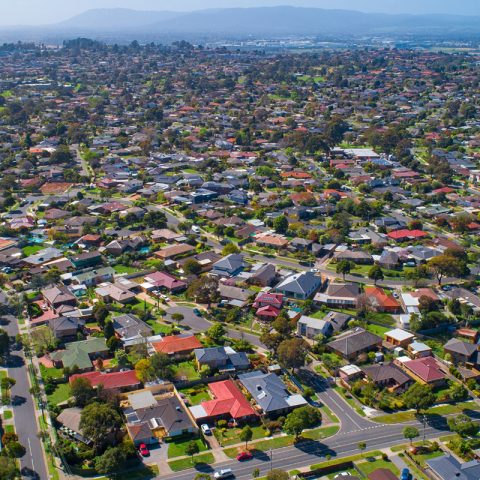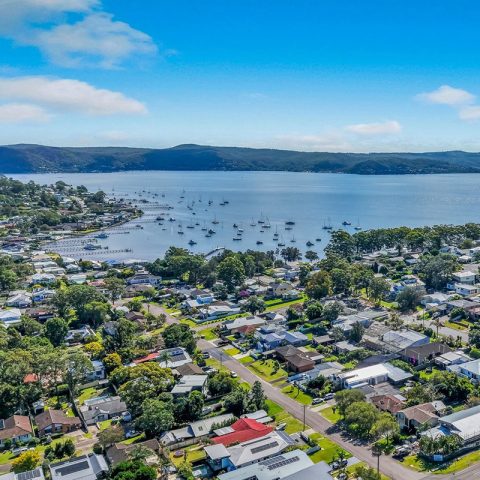
Lifestyle-focused regional markets and emerging regional centres continue to dominate the property landscape, attracting both owner-occupiers and investors seeking opportunities beyond the combined capital cities. PropTrack data shows that over the 12 months to February, combined regional dwelling values increased by 9.7%, compared with an 8.4% rise across the combined capital cities. While the margin may appear modest, it reflects a sustained trend of regional markets outperforming metropolitan areas for more than a year, indicating a structural shift in buyer preferences and migration patterns.
Several states have been key drivers of this trend. New South Wales, Victoria, and Tasmania have recorded significant regional growth, fuelled by a combination of affordability constraints in capital cities, evolving work-from-home arrangements, and lifestyle migration. Buyers are increasingly looking to regional centres to secure larger properties, better school catchments, and community-oriented living without sacrificing access to essential services. This has created strong demand for quality dwellings, particularly in established towns and lifestyle precincts, driving property values higher.
According to Joel Bowman, Domain Senior Economist, multiple factors underpin the strength of regional markets:
* Limited housing supply in many regional towns compared with buyer demand
* Persistent rental pressure, with low vacancy rates encouraging investment and owner-occupier purchases
* Continued migration from metropolitan areas, driven by lifestyle and affordability considerations
* Enhanced infrastructure and employment nodes, including healthcare, education, and transport connections
Tighter rental markets are also contributing to rising property prices. When vacancies remain low and rents climb, buyers are often willing to pay more to secure property, providing an underlying floor to market values. This dynamic is particularly evident in regions experiencing strong population growth and increasing appeal for long-term residency, rather than short-term lifestyle purchases.
Regional property markets have evolved beyond their traditional “lifestyle” narrative. Many now have diverse local economies, upgraded transport connections, and expanded health and education precincts, which provide a foundation for sustainable growth. As a result, discerning buyers must differentiate between suburbs experiencing short-term hype and those exhibiting genuine long-term growth potential. Micro-market analysis has become essential, with factors such as proximity to town centres, road exposure, land usability, and local amenities playing a critical role in determining value.
Migration trends are a major driver of regional performance. Internal migration from capital cities has been accelerating, driven by lifestyle changes, remote work, and affordability pressures. Younger families, retirees, and professional buyers are increasingly relocating to regional areas where they can access larger homes, better quality of life, and a stronger sense of community. This movement has a direct effect on property demand, contributing to rising values in well-connected, high-demand locations.
Another factor supporting regional growth is infrastructure investment. Improved transport links, including highway upgrades and regional airports, have made commuting to metropolitan hubs more feasible. The expansion of local employment precincts, particularly in healthcare, education, and professional services, has further strengthened the appeal of regional centres. These developments not only enhance liveability but also provide economic stability, which is increasingly valued by both investors and owner-occupiers.
From a market perspective, regional growth is becoming more nuanced. While headline statistics show strong average price increases, there is considerable variation within each region. Some pockets experience rapid price escalation due to limited supply, while others demonstrate steady, sustainable growth reflecting strong fundamentals. For buyers, identifying these micro-locations is critical. Overpaying for a property in an area driven by short-term speculation can be costly, whereas investing in locations with genuine demand, low vacancy rates, and strong economic prospects tends to deliver consistent long-term returns.
Rental demand remains a vital underpinning of regional market performance. As more people relocate from metropolitan areas, the demand for quality rental housing has intensified. Many regional markets now face vacancy rates well below healthy levels, placing upward pressure on rents. This dynamic benefits investors who provide high-quality properties and reinforces the desirability of well-sited dwellings for owner-occupiers. In turn, this strengthens property values, creating a cycle of sustained growth across regional centres.
Overall, the evidence suggests that regional markets are no longer secondary or niche. They are core drivers of national property growth, demonstrating resilience even as capital city markets fluctuate. For buyers, investors, and policymakers, understanding the fundamentals behind regional growth—population trends, economic diversification, infrastructure development, and rental market pressures—is essential. Current data and market dynamics indicate that regional markets will continue to outperform, offering opportunities for those who carefully consider location, property type, and long-term fundamentals.