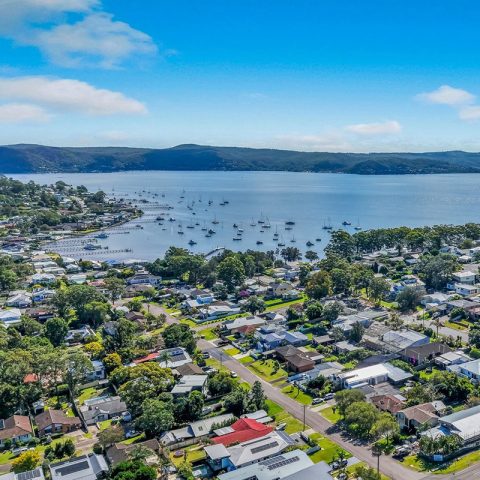
The shift toward regional living continues to reshape how Australians think about property, lifestyle, and long-term value.
What started as a pandemic-driven movement has matured into a sustained behavioural change, with more buyers prioritising affordability, space, and lifestyle over proximity to capital city CBDs.
Recent data from the Regional Movers Index confirms this trend is far from slowing. Capital city residents relocating to regional areas still outnumber those moving in the opposite direction by 31%. That’s a significant gap, and it highlights a structural shift rather than a short-term spike.
Sydney remains the biggest contributor to this migration trend, accounting for 54% of net capital outflows. Melbourne follows at 38%, reinforcing the idea that high-cost cities are pushing residents to explore alternatives. These aren’t just lifestyle-driven decisions. For many, it’s a financial reset.
The Sunshine Coast continues to lead the pack as the most popular destination for movers leaving capital cities. Its combination of coastal lifestyle, improving infrastructure, and employment opportunities makes it a consistent favourite. However, what’s changing now is the breadth of locations gaining attention.
Buyer demand is no longer concentrated in just a handful of well-known regional hubs. Movement into both the Sunshine Coast and Geelong, which currently holds second place, has softened compared to this time last year. That doesn’t indicate declining interest, but rather a diversification of demand.
New locations are stepping into the spotlight. The Fraser Coast in Queensland now ranks third, followed by Lake Macquarie in New South Wales and Moorabool in Victoria. These areas are benefiting from buyers who are willing to look beyond the obvious choices in search of better value.
This widening of focus is particularly evident among regional-to-regional movers. While capital city residents still gravitate toward established lifestyle destinations, those already living in regional areas are exploring lesser-known locations. Affordability is a key driver here, especially as prices in popular regions have climbed.
Liz Ritchie, CEO of the Regional Australia Institute, points out that this trend reflects a more mature migration pattern. Buyers are becoming more strategic. Instead of simply escaping the city, they’re weighing up long-term liveability, economic prospects, and entry price.
Queensland continues to benefit strongly from this shift, but even within the state, movement is extending beyond traditional hotspots. Buyers who may have once targeted the Sunshine Coast are now pushing further north or inland to find better value without sacrificing lifestyle.
Another interesting insight from the data is the resilience of this trend, even during typically quieter periods. December is historically a softer month for relocations, yet the drop-off in December 2025 was smaller than in previous years. That suggests underlying demand remains strong regardless of seasonal patterns.
For property investors, this evolving migration story presents both opportunity and risk. The opportunity lies in identifying emerging regional markets before they become saturated. The risk is assuming that yesterday’s hotspots will continue to outperform without considering shifting demand patterns.
Understanding where people are moving, and more importantly why, is becoming critical. It’s no longer just about chasing growth. It’s about recognising the next wave of demand before it becomes obvious.