Inner North is not one market
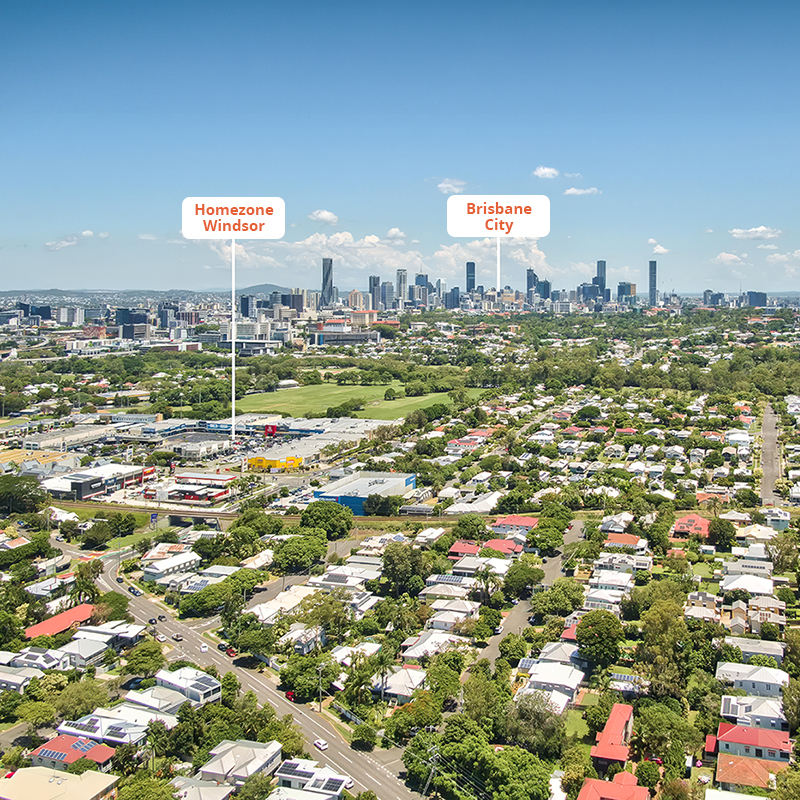
Brisbane’s Inner North attracts buyers because it combines established neighbourhoods, access to employment, public transport and proximity to the CBD. The danger is treating the whole precinct as a single market. Alderley, Kedron, Stafford, Windsor, Wooloowin and Wilston have different price points, housing stock and buyer profiles.
The June 2026 Inner North report is useful because it makes those differences visible. Buyers can compare sales activity, median values, recent growth, yields and vacancy, then move to property level analysis.
House prices span a wide range
The report recorded 726 house sales across the Inner North precinct in the preceding 12 months. Kedron led with 131 sales, followed by Stafford Heights with 112 and Stafford with 110. Median house prices ranged from $1.369 million in Stafford to $2.0835 million in Grange.
Stafford recorded the strongest one year house growth in the sample at 23 per cent. Stafford Heights rose 17 per cent, Windsor 16 per cent and Wooloowin 14 per cent. These figures show momentum, but a buyer should avoid simply chasing the highest growth number after the event.
Units are playing a different role
The unit market provides a lower entry price into established near city locations. There were 488 unit sales across the precinct. Windsor led with 98, followed by Kedron with 87 and Alderley with 70.
Median unit prices ranged from $762,100 in Kedron to $862,100 in Alderley. One year growth was strong in several markets, including 28 per cent in Alderley and 27 per cent in Wooloowin. For buyers priced out of detached housing, this can make selected units or townhouses worth serious consideration.
Rental conditions remain tight
The report shows vacancy rates below 1.2 per cent across the precinct. Wilston houses were recorded at 0.0 per cent, while Newmarket houses were 0.3 per cent. Tight vacancy can support investor demand, but vacancy is only one part of the investment equation.
Gross yields were generally higher for units than houses. Wooloowin units recorded a 4.0 per cent median yield, while house yields in the sample were lower. Investors still need to allow for body corporate costs, maintenance, rates and the quality of the building.
Employment and infrastructure help explain the demand story
The Inner North benefits from nearby employment nodes including the Royal Brisbane and Women’s Hospital, Prince Charles Hospital, Gallipoli Barracks and major education facilities. The June 2026 report also highlights ongoing projects in health, transport and urban renewal.
These drivers matter because property demand is stronger when people have reasons to live nearby. Still, infrastructure should support an already sensible purchase rather than become the only reason for buying.
Where value can appear for owner occupiers
Value is not always the suburb with the lowest median. A buyer may find better value in a more expensive suburb if the property offers a superior street, land, transport or renovation quality. Conversely, paying a premium for a suburb name while accepting a compromised property can be a poor trade.
The best search compares the buyer’s actual alternatives. What does the same budget buy in Stafford versus Kedron? Does a townhouse in Alderley solve the brief better than an older house further out? These are practical questions that medians alone cannot answer.
Where investors should be more selective
Strong recent unit growth can create enthusiasm, but investors should check building quality, body corporate finances, future supply and tenant demand at the property level. A high gross yield can be diluted by high fees or maintenance.
For houses, investors may accept a lower yield in return for land content or scarcity, but that decision should be deliberate. The property needs to match the investor’s cash flow capacity and time horizon.
A simple buying framework for the precinct
Start with budget and preferred property type. Narrow to three or four suburbs that solve the brief. Inspect enough stock to understand quality. Compare only with genuinely similar sales. Check the issues that are permanent before the cosmetic ones. Then set a ceiling and negotiate.
The Inner North offers depth, but depth does not remove the need for patience. The right property is more important than the fastest purchase.
Why 2032 infrastructure should be kept in perspective
The Inner North is likely to continue benefiting from major Brisbane infrastructure and Olympic related investment. That can support amenity and employment, but buyers should be wary of paying an inflated price today for benefits that are already widely known.
The safer approach is to buy a property that already works on fundamentals, then treat future infrastructure as an additional tailwind rather than the entire thesis.
A practical checklist before you commit
Before making an offer, return to the original brief and confirm that the property solves the problem you started with. Check the permanent features first, including location, street, land, access, orientation and surrounding uses. Then assess condition, improvements and the work you may need to complete after settlement.
Review the comparable sales, confirm your finance position, organise appropriate legal and technical advice and decide on your ceiling. A good property decision should still make sense when the pressure of the campaign is removed. That simple checklist is often more useful than trying to predict exactly what the market will do next.
FAQs
Which Inner North suburb had the most house sales in the June 2026 report? Kedron, with 131.
Were units cheaper than houses in the reported medians? Yes. Unit medians were materially lower than house medians across the sampled suburbs.
Are vacancy rates tight? Yes. The report recorded vacancy below 1.2 per cent across the precinct.
Book a consultation with Murray McCarthy, for informed guidance on buying and investing in Brisbane’s Inner North