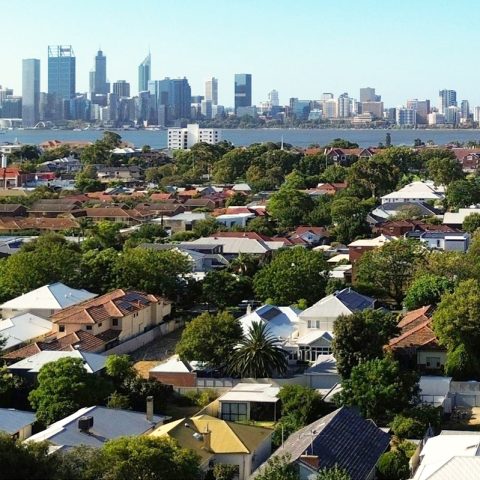
Mortgage activity accelerated during the December quarter, with Western Australia recording the strongest growth of any state. Data from loan aggregator AFG reveals significant quarterly and annual increases in loan lodgements across several states:
* Western Australia: +12.46% quarterly, +37.49% annual
* Queensland: +4.54% quarterly, +27.87% annual
* Victoria: +2.66% quarterly, +24.45% annual
* South Australia: +0.91% quarterly, +22.47% annual
* New South Wales: -0.53% quarterly, +19.52% annual
AFG CEO David Bailey attributes Western Australia’s strong performance to robust population growth, limited housing supply, and solid demand from owner-occupiers and investors alike. Average loan sizes also increased across most states, with New South Wales at $811,757 and Western Australia at $661,027, reflecting variations in affordability and property values.
First home buyers have played a key role in late-2025 momentum. Rising lending activity among this segment suggests growing confidence in the property market, supported by competitive interest rates and strong employment trends. Higher loan volumes signal that buyers are both active and optimistic, reinforcing broader market stability.
State-level differences illustrate unique market dynamics. Western Australia’s performance highlights strong regional demand and affordability advantages relative to eastern states, while Queensland’s steady growth reflects migration inflows and lifestyle-driven purchasing. Victoria and South Australia show moderate increases, with New South Wales experiencing slower quarterly growth but maintaining annual gains, highlighting the ongoing influence of high property prices and constrained stock on borrowing activity.
Increasing mortgage activity also affects property prices. When loan lodgements rise in conjunction with limited housing supply, competition intensifies, and upward pressure on values becomes more likely. Analysts note that growth in lending can reinforce trends observed in sales, auctions, and listings, creating a cycle of active market engagement.
Beyond lending volumes, loan size trends indicate buyers are targeting more substantial properties or higher-value suburbs, particularly in markets where supply is limited. This behaviour reflects both demographic trends—such as families seeking larger homes—and affordability constraints that push buyers toward locations offering the best combination of size, amenities, and price.
The data underscores the critical role of mortgage activity in sustaining housing market growth. Active lending supports sales, encourages investment, and enables homeownership, particularly for first-time buyers. For policymakers, maintaining stable lending conditions is essential to supporting confidence and housing supply, while for buyers, understanding loan size trends, state-specific growth, and borrowing conditions is key to making informed decisions.
In conclusion, mortgage activity strengthened considerably across Australia during the December quarter, with Western Australia leading growth, first home buyers active across several states, and loan sizes increasing in line with market trends. Combined with limited housing supply and steady demand, rising lending activity reinforces property value growth and market momentum heading into 2026.