Housing values are accelerating again, with February delivering the strongest monthly growth rate seen in four years.
Fresh figures from PropTrack confirm national home prices rose by 0.5% during the month, pushing annual growth to 9.1%.
That pace of appreciation has materially shifted the market landscape. Median dwelling prices are now approximately $90,000 higher than they were at the same time last year. For many buyers, that increase represents the difference between entering the market and being priced out.
The latest monthly uplift brings the national median dwelling value to $897,000. Breaking that down further, houses now sit at a median of $996,000, while units are more accessible at $730,000. The divergence between houses and units continues to influence buyer behaviour.
Combined capital city dwelling values have now moved beyond $1 million for the first time on record. This symbolic threshold highlights the cumulative strength of the current growth cycle, even as performance varies across individual markets.
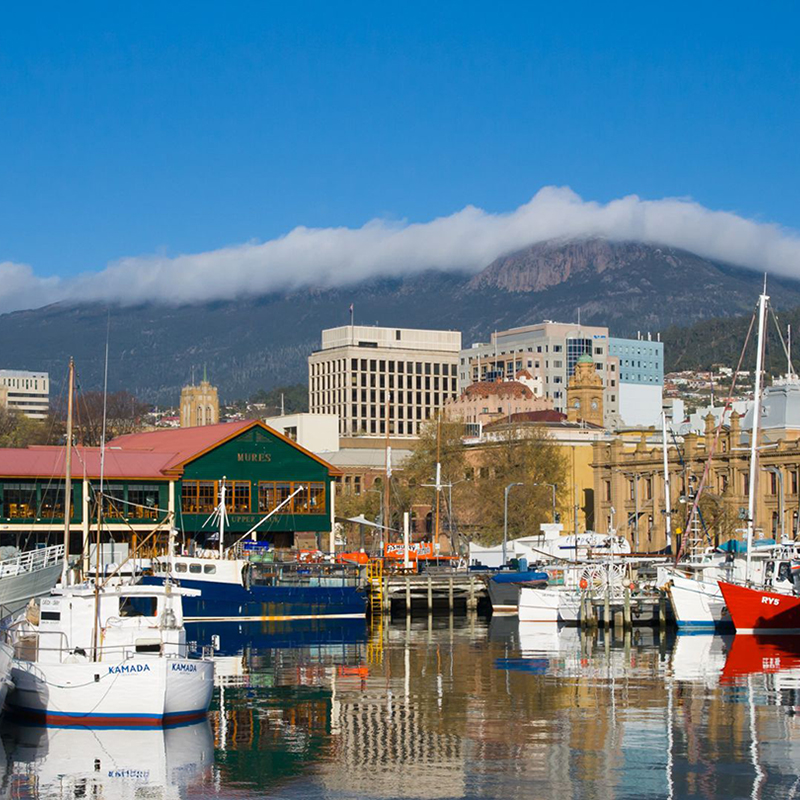
Smaller capital cities are again leading the charge. Hobart recorded the strongest performance in February, followed by Brisbane and Adelaide. These mid-sized capitals have consistently outperformed over the past year, supported by tighter supply and relative affordability compared to Sydney and Melbourne.
Unit markets continue to shine. Across capital cities, unit values are outpacing house markets as buyers prioritise price accessibility. Affordability constraints, combined with serviceability pressures, are directing demand toward lower price brackets.
Cotality data shows Sydney and Melbourne values are largely flatlining. While these cities have traditionally led national housing cycles, their recent slowdown raises questions about broader market sustainability. Research director Tim Lawless suggests the cooling in Sydney and Melbourne could foreshadow an easing of growth conditions elsewhere in time.
For now, however, mid-sized capitals remain well supported. Extremely low inventory levels are boosting competition and pushing prices higher. Limited stock availability means motivated buyers must act decisively, particularly in affordable segments.
Competition is most intense at lower price points. First home buyers, investors and subsequent purchasers are all targeting similar stock. At higher price brackets, credit availability is more restricted due to serviceability constraints, reducing competition at the premium end.
The structural imbalance between supply and demand remains a defining feature. When combined with population growth and stable employment conditions, it creates a foundation for continued price resilience.
Although momentum has strengthened, market dynamics remain nuanced. Sydney and Melbourne may be consolidating, but strong fundamentals in smaller capitals continue to underpin national growth. Buyers who understand these localised differences are better positioned to make informed decisions in an environment where values are once again moving higher at pace.