Regional property markets are continuing to outperform capital cities, reinforcing a trend that has been steadily strengthening across Australia over recent years. New market data shows regional dwelling values increased by 3.3% over the three months to April, substantially higher than the 1.1% growth recorded across the combined capital cities. The figures highlight the ongoing strength of regional demand, particularly in locations where affordability, lifestyle appeal, infrastructure investment, and population growth continue to attract both owner-occupiers and investors.
The performance gap between regional and metropolitan markets reflects a broader structural shift in buyer behaviour. Affordability pressures in major cities are increasingly pushing households toward regional areas where larger homes, lifestyle advantages, and lower entry prices remain accessible. At the same time, remote and hybrid work arrangements continue to support population decentralisation, allowing more buyers to relocate without sacrificing employment opportunities or income stability.
Lifestyle migration also remains a major influence. Coastal and lifestyle-oriented regional centres continue attracting buyers seeking improved work-life balance, reduced congestion, and greater housing value compared to Sydney and Melbourne. This migration trend has become increasingly embedded rather than temporary, reshaping long-term housing demand patterns across the country.
Cotality analysis identifies Regional Western Australia as one of the strongest-performing areas nationally, with dwelling values rising 5.9% over the quarter, compared to 5.6% in the previous quarter. The continued acceleration in growth highlights the resilience of resource-linked regional markets as well as lifestyle destinations benefiting from migration trends and constrained housing supply.
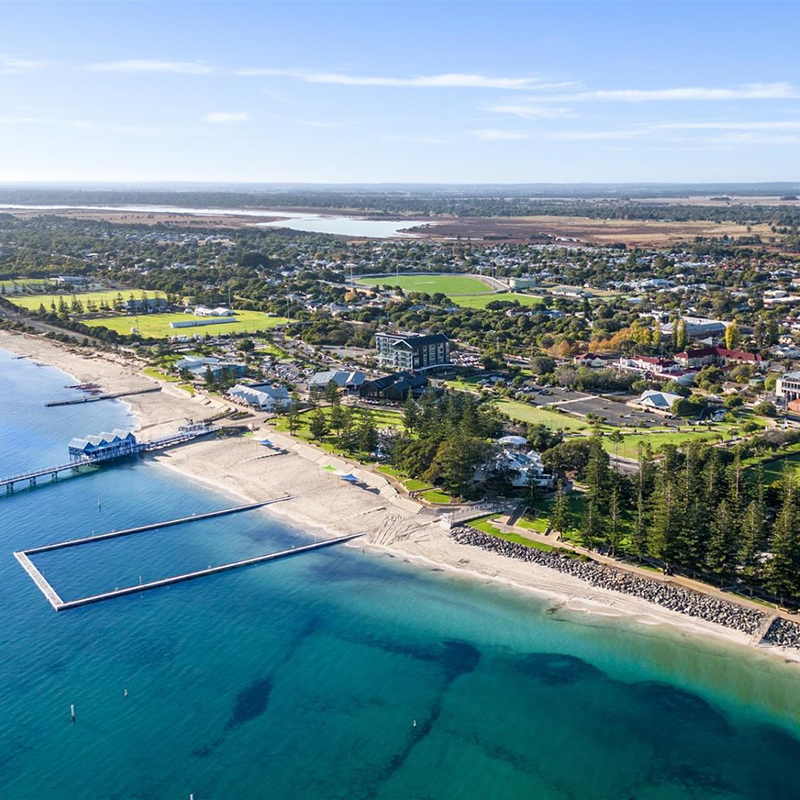
Busselton emerged as the nation’s strongest quarterly performer, recording growth of 7.5% over the quarter. The market continues to benefit from coastal lifestyle demand, tourism strength, and increasing interstate migration into Western Australia. Busselton’s combination of lifestyle amenity, tourism infrastructure, and population growth has elevated its profile among both investors and owner-occupiers seeking long-term regional exposure.
The Kalgoorlie-Boulder region recorded the highest annual growth nationally, supported largely by mining-sector activity, employment demand, and constrained housing supply. Resource-linked regional centres continue demonstrating strong resilience where employment conditions remain elevated and rental vacancy rates remain low. These regions are increasingly attracting investors seeking stronger rental returns compared to metropolitan markets.
Albany also recorded standout results, including the shortest average days on market nationally at just 10 days, alongside the lowest vendor discounting levels. These figures indicate exceptionally strong buyer competition and limited stock availability, both of which continue supporting pricing pressure across regional Western Australia.
By contrast, Regional New South Wales featured heavily among the weakest-performing regional markets. The Bowral–Mittagong region recorded the lowest quarterly growth, the weakest annual growth, and the highest vendor discounting levels nationally. This reflects softer buyer conditions in some premium lifestyle regions where affordability pressures, higher borrowing costs, and reduced migration momentum have slowed transaction activity.
Batemans Bay recorded the longest average days on market nationally at 67 days, highlighting weaker buyer urgency and more cautious purchasing behaviour in some coastal markets. Extended selling periods often indicate affordability ceilings or reduced discretionary purchasing activity, particularly in markets heavily influenced by holiday-home demand.
Cotality Head of Research Australia Gerard Burg says affordability remains a central driver behind regional market resilience, with internal migration continuing to favour locations offering greater value and lifestyle advantages. Buyers are increasingly prioritising space, flexibility, and lifestyle outcomes over proximity to major CBDs, particularly where remote work arrangements remain available.
Infrastructure investment is also contributing to regional growth momentum. Improvements to transport links, healthcare facilities, schools, and retail amenity are helping regional centres become increasingly self-sustaining. Many regional markets are no longer viewed simply as retirement or holiday destinations, but as long-term residential and employment locations.
The regional market trend also reflects a broader diversification of Australia’s property landscape. Instead of growth being concentrated solely within Sydney and Melbourne, performance is increasingly spread across lifestyle regions, secondary cities, and infrastructure-linked regional centres. This shift is creating new investment opportunities while reshaping long-term housing demand patterns nationwide.
Rental markets across many regional locations also remain extremely tight, contributing to stronger investor activity. Low vacancy rates and rising rental prices are increasing the attractiveness of regional property investment, particularly in areas where purchase prices remain significantly lower than metropolitan equivalents.
Economic diversification is another important factor supporting regional resilience. Many regional centres now benefit from multiple industries including healthcare, tourism, education, agriculture, and renewable energy development, reducing reliance on single-sector employment drivers.
As affordability pressures continue across major capital cities, regional markets are expected to remain highly competitive, particularly in areas with strong employment drivers, infrastructure investment, and limited housing supply. While not all regional markets will perform equally, the broader trend toward decentralised population growth appears increasingly entrenched within Australia’s evolving housing market landscape.