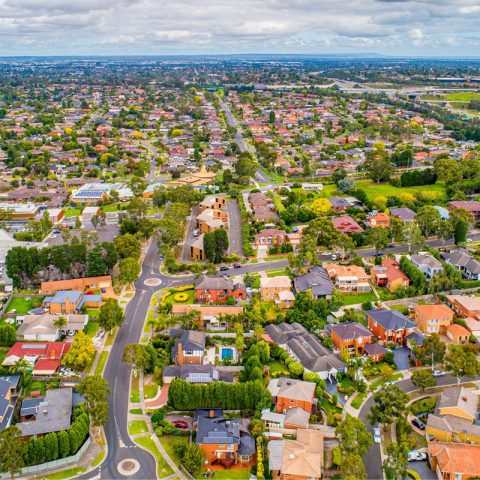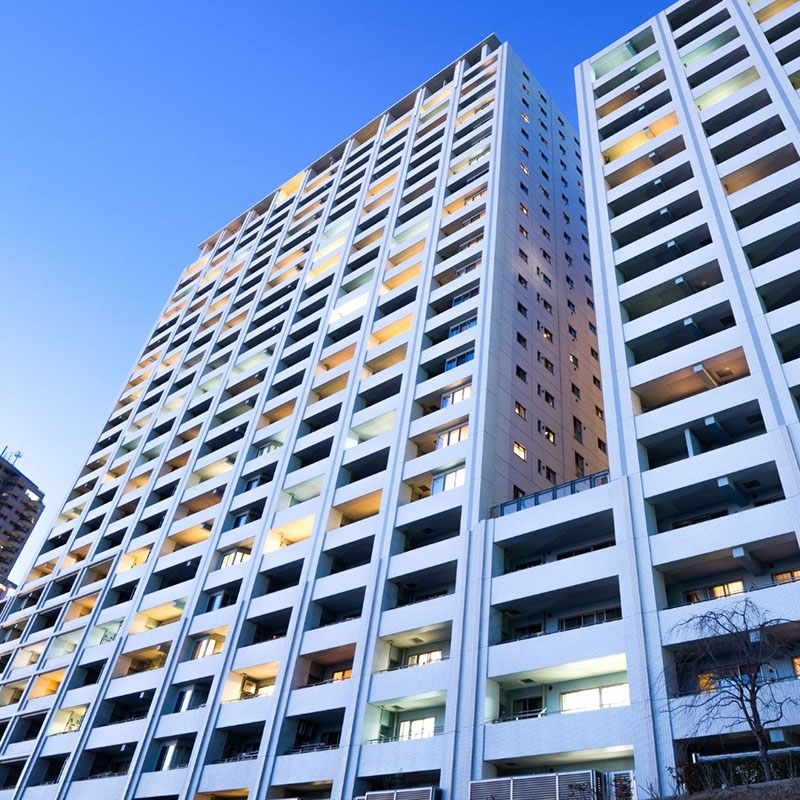
Regional apartment markets in Australia are increasingly outperforming their capital city counterparts, both in terms of price growth and rental returns. According to PropTrack data, median apartment values in capital cities rose by 7.7 percent in 2025. Across combined regional markets, apartment medians increased by a stronger 10.2 percent over the same period.
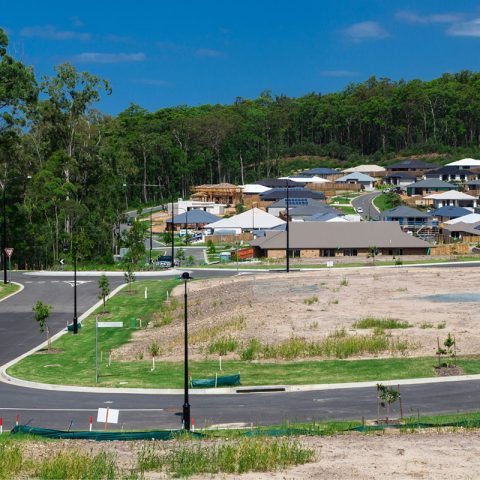
This outperformance reflects a combination of affordability pressures in capital cities, changing lifestyle preferences, and stronger relative yields in regional areas. As buyers and renters look beyond metropolitan cores, regional centres with employment, healthcare, and education infrastructure are benefiting.
In New South Wales, regional apartment markets recorded growth of 6.9 percent, compared with 5.3 percent in Sydney. In Victoria, regional units grew by 5.2 percent, outperforming Melbourne’s 3.6 percent increase. South Australia saw regional apartment growth of 14.6 percent, slightly ahead of Adelaide’s 13.7 percent, while regional Tasmania recorded growth of 7.6 percent compared with Hobart’s 3 percent.
Queensland presents a slightly different picture. While Brisbane apartments recorded strong growth of 18.3 percent in the house market, regional Queensland apartment prices still rose by a robust 13.7 percent. This highlights the depth of demand across both metropolitan and regional Queensland markets.
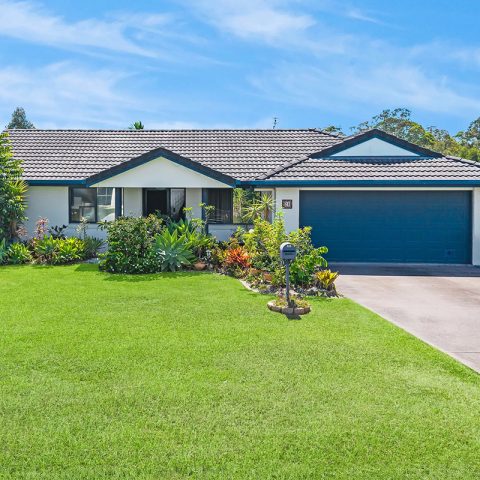
Affordability remains a key driver. The median price for property in regional Australia sits around $709,000, while regional units are lower again at approximately $638,000. This price gap provides an entry point for buyers priced out of capital cities or seeking diversification.
Rental yields further strengthen the case for regional apartments. Data from Cotality shows that many regional markets deliver higher yields than capital city equivalents. Regional Queensland, South Australia, Western Australia, and Tasmania all feature prominently among the strongest-performing apartment yield markets.
Regional Western Australia stands out in particular, with apartment yields reaching 8.2 percent as of January 2026, the highest of any major jurisdiction. Tight rental supply, population inflows, and relatively low purchase prices are driving these returns.
That said, regional performance is not uniform. Outcomes vary significantly by town, precinct, and property type. Apartments close to hospitals, universities, transport hubs, and employment nodes tend to outperform those in fringe or poorly designed developments.
For buyers, the regional apartment market offers opportunity, but also requires careful selection. Understanding local demand drivers and long-term livability is critical to achieving sustainable performance.