Vacancy rates have eased slightly over the past month, but the movement is so small that it is unlikely to make a noticeable difference for most renters. Competition for available homes remains strong, particularly in markets where listings are limited and vacancy rates are still well below levels considered balanced.
New figures from SQM Research show the national vacancy rate increased from 1.2% in May to 1.3% in June. Although that represents a rise, the change amounted to only an additional 1,385 rental properties across the country. Spread across multiple cities and regions, that increase is unlikely to provide substantial relief for households searching for a suitable home.
SQM Research managing director Louis Christopher says the market remains exceptionally tight despite the slight monthly improvement. Vacancy rates continue to sit well below their long-term averages, which means tenants in many areas are still facing limited choice, strong demand and pressure to act quickly when suitable properties become available.
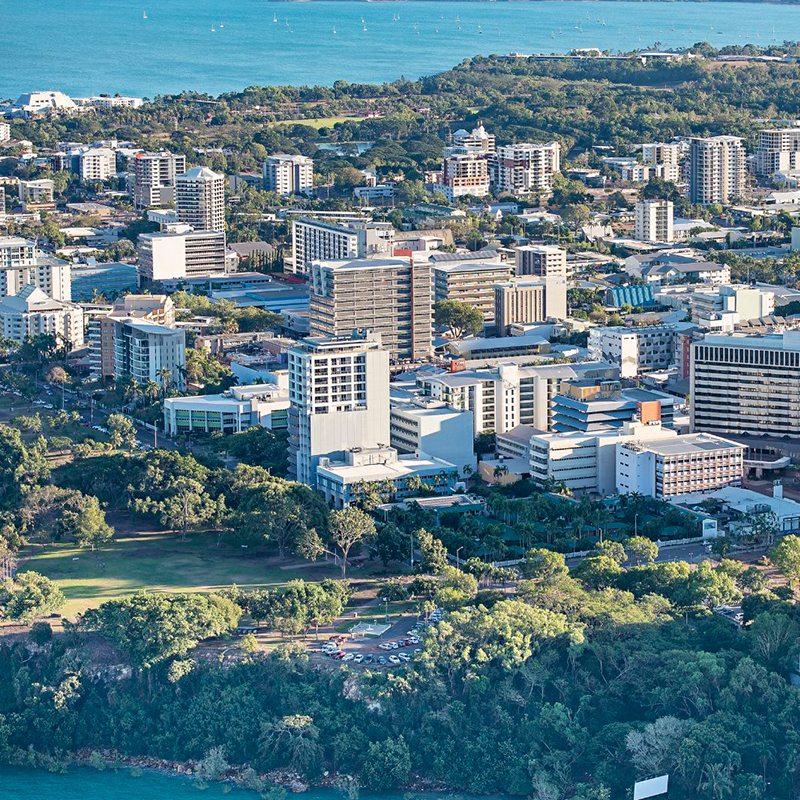
The smaller capital cities continue to record some of the tightest conditions. Every smaller capital had a vacancy rate below 1%, showing that the rental shortage remains particularly severe in these markets. Darwin was the tightest capital city, with a vacancy rate of just 0.3%.
That figure represented about 64 properties available for rent across Darwin. With such a limited pool of homes, renters may find it difficult to secure a property that meets their needs in terms of price, location, size and condition. The shortage is especially challenging for households that cannot easily widen their search area or adjust their budget.
Perth and Hobart both recorded vacancy rates of 0.6%, although the actual number of available properties differed because of the size of each market. Perth had 1,247 vacancies, while Hobart had only 185. In both cities, the percentage indicates that supply remains highly constrained.
Adelaide recorded a vacancy rate of 0.7%, with 1,096 available properties. Brisbane was slightly higher at 0.9%, representing 3,065 vacancies. Even though Brisbane had more available homes in absolute terms, its vacancy rate remained below 1%, showing that supply was still limited relative to the size of the rental market.
The larger capitals recorded higher vacancy rates, but conditions remained tight. Sydney had the greatest number of vacant rental properties, with 11,957 homes available and a vacancy rate of 1.6%. Melbourne also recorded a vacancy rate of 1.6%, with 8,640 available properties.
Canberra had the highest vacancy rate among the capitals listed, at 1.7%, representing 1,063 properties. While that rate is above the national result, it is still low by historical standards and does not indicate a broadly oversupplied market.
The difference between the percentage rate and the number of vacancies is important. Sydney and Melbourne naturally record larger vacancy totals because their rental markets are much bigger. A higher number of available properties does not necessarily mean tenants face easier conditions, because those cities also have far more renters competing for homes.
Christopher says that while the national vacancy rate has edged up to 1.3%, the rental market remains exceptionally tight by historical standards. His assessment highlights the difference between a small monthly movement and a genuine improvement in rental availability.
For tenants, the latest figures suggest that preparation remains important. Applicants may benefit from having identification, references, income documents and other required information ready before attending inspections. Being organised can help renters respond quickly in a market where suitable properties may attract strong interest.
Flexibility can also improve the chances of securing a home. Renters who can consider neighbouring suburbs, different property types or a broader price range may have access to more options. However, not every household has that flexibility, particularly where work, schooling, transport or family responsibilities limit the areas they can consider.
The national vacancy rate should also be treated as a broad indicator rather than a complete description of local conditions. Rental availability can vary sharply between suburbs, property types and price brackets within the same city. One area may have several listings while a nearby suburb remains extremely tight.
Persistently low vacancy rates also point to broader housing pressure. A rental market with very little spare capacity can make it difficult for households to move, respond to changing circumstances or find accommodation within their budget. It may also contribute to further rent increases where demand remains stronger than supply.
The increase from 1.2% to 1.3% is therefore better viewed as a minor easing than a significant shift. The additional 1,385 rental properties provide some improvement, but not enough to change conditions across most markets.
A more meaningful recovery would require vacancy rates to rise consistently over several months and across a wider range of cities and suburbs. Until that happens, renters are likely to continue facing strong competition, especially in Darwin, Perth, Hobart, Adelaide and Brisbane.
The latest SQM Research figures offer a small sign that conditions have loosened, but the overall market remains very tight. For most tenants, the search for a rental property is still likely to involve limited choice, fast decision-making and continued pressure.