If you stepped back from the headlines toward the end of 2025, you could be forgiven for thinking the property market had run out of puff.
Monthly growth figures softened, clearance rates dipped in a few major cities, and commentary became noticeably more cautious. But when you zoom out and look at the full year, a very different picture emerges. For property owners across Australia, 2025 quietly delivered one of the strongest growth years of the past decade.
National dwelling values finished the year almost 9 percent higher than where they started. That kind of uplift matters. It is the difference between standing still and building meaningful equity that gives owners options. It creates refinancing opportunities, improves loan to value ratios, and puts many households in a far stronger financial position than they were twelve months earlier. What is particularly interesting about 2025 is where the growth came from.
Sydney and Melbourne no longer dominated the story. Their markets did rise, but they were not the standout performers. Instead, the strongest gains were recorded in cities and regions that had been quietly building momentum for several years. Perth led the capitals by a clear margin, followed by Darwin, Brisbane, Adelaide and Hobart. These markets benefited from a combination of affordability, population growth, infrastructure investment and extremely tight supply.
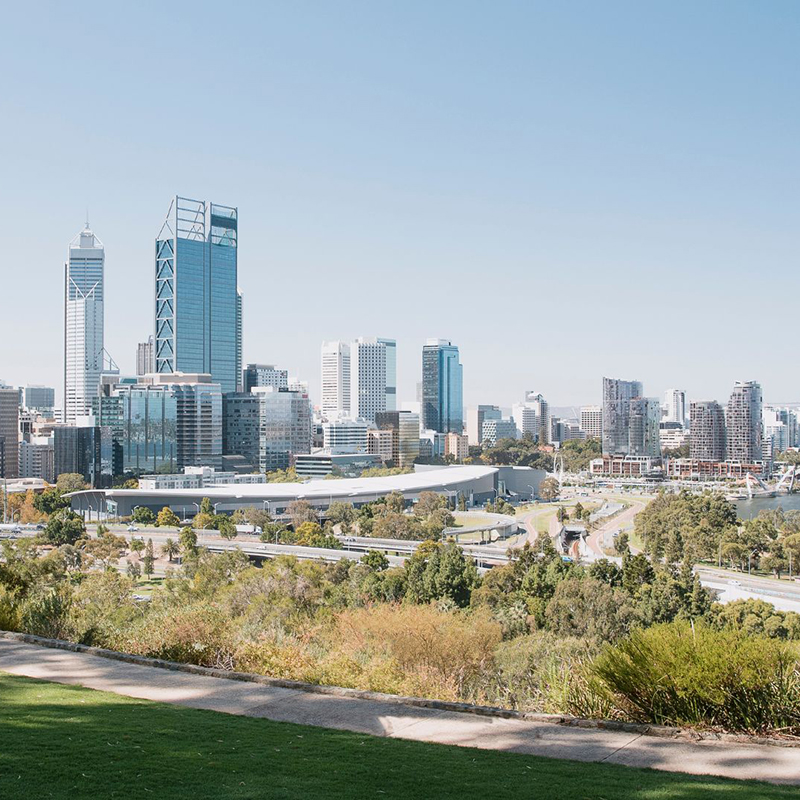
Perth’s performance was especially notable. After years of underperformance following the mining downturn, Western Australia entered this cycle with lower price bases and a housing shortage that became impossible to ignore. As migration surged and construction struggled to keep pace, prices responded quickly.
Brisbane continued to justify its reputation as a long-term growth market rather than a short-term spike. Strong employment, interstate migration and major infrastructure projects combined to push values higher across a wide range of suburbs.
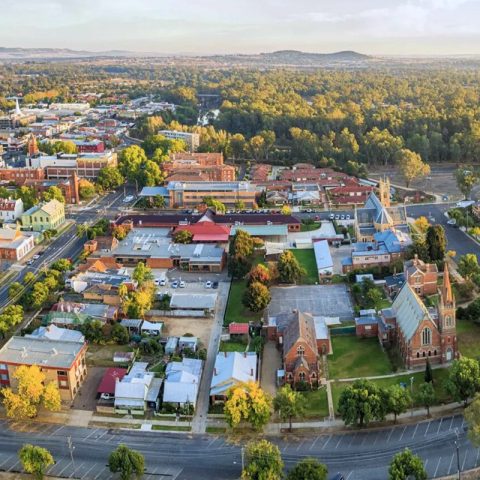
Regional areas once again outperformed most capital cities. In Western Australia, Queensland and South Australia, regional markets delivered double-digit growth in many locations. As affordability pressures pushed buyers out of capital cities, demand flowed into regional hubs with good services, employment and connectivity.
What 2025 reinforced is that property growth is no longer concentrated in one or two headline cities. It is fragmented, localised and driven by fundamentals. Buyers who relied solely on national averages missed opportunities. Those who focused on suburb-level insights were rewarded. The broader lesson is not just that prices rose. It is that smart buying decisions mattered more than ever.