Land values are accelerating at a pace that continues to outstrip broader inflation, placing mounting pressure on the cost of delivering new housing across the country.
In the September quarter alone, land prices climbed by 10 percent, according to the HIA Cotality Residential Land report, reinforcing a long running trend that has reshaped feasibility across many development markets.
Over the past 25 years, land prices have increased at roughly three times the rate of construction costs, a structural imbalance that has steadily pushed the overall cost of building a new home higher.
This long term divergence between land and build costs has fundamentally altered how projects stack up. Where builders once absorbed modest fluctuations in material or labour pricing, today it is the land component that often determines whether a development proceeds or stalls. When lot prices move this sharply, the margin for error narrows quickly.
Adding further strain are the cumulative layers of statutory charges, infrastructure contributions, planning costs and approval timeframes that accompany every new subdivision. These expenses are not absorbed by developers indefinitely. They are embedded in the end product, meaning new home buyers ultimately carry the weight of higher land acquisition
and compliance costs.
In the past 12 months, residential land lot prices in Brisbane have risen by 18 percent and Perth by 21 percent, while Adelaide has recorded a remarkable 40 percent increase. Such growth highlights how supply constraints and planning bottlenecks can magnify price escalation when
demand remains steady.
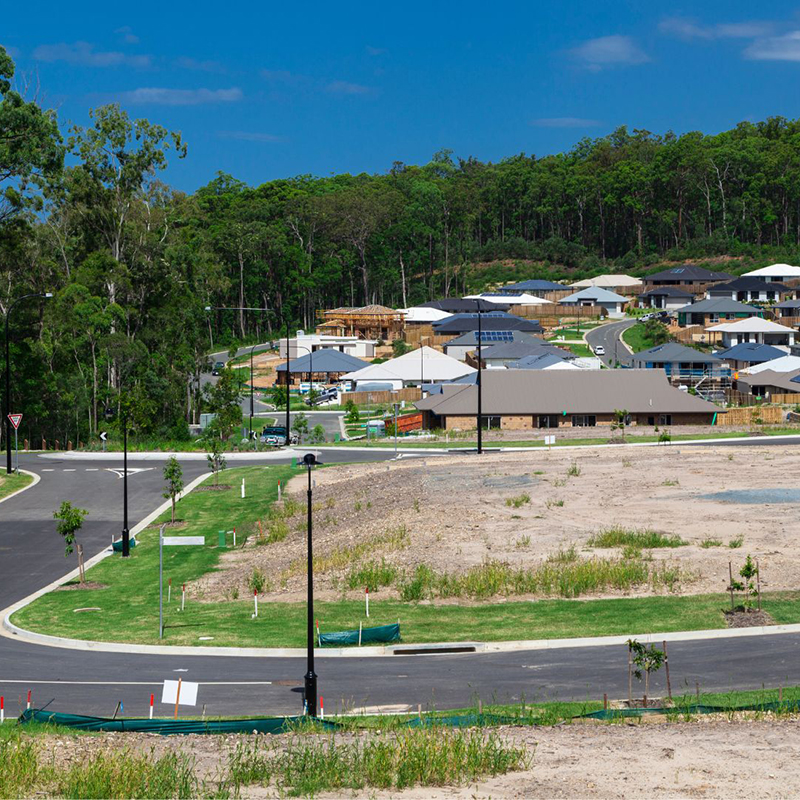
HIA Chief Economist Tim Reardon has pointed to the shortage of shovel ready land as central to the affordability challenge. Without a pipeline of serviced and approved lots ready for construction, developers cannot respond quickly to buyer demand, which in turn sustains upward pressure on prices.
The broader implication is that housing affordability debates cannot focus solely on interest rates or construction inputs. Land supply, zoning reform and approval efficiency play equally powerful roles in shaping price outcomes. Where planning systems are slow or fragmented, holding costs rise and supply lags behind population growth.
For aspiring homeowners, especially first home buyers, rising land prices translate into higher entry thresholds and larger deposit requirements. Even where government schemes provide assistance, the baseline price of new housing remains influenced heavily by the land
component.
Unless structural reforms improve the speed and scale of land release, the imbalance between demand and serviced supply is likely to persist. That dynamic suggests land will remain a dominant driver of new housing costs in the years ahead.