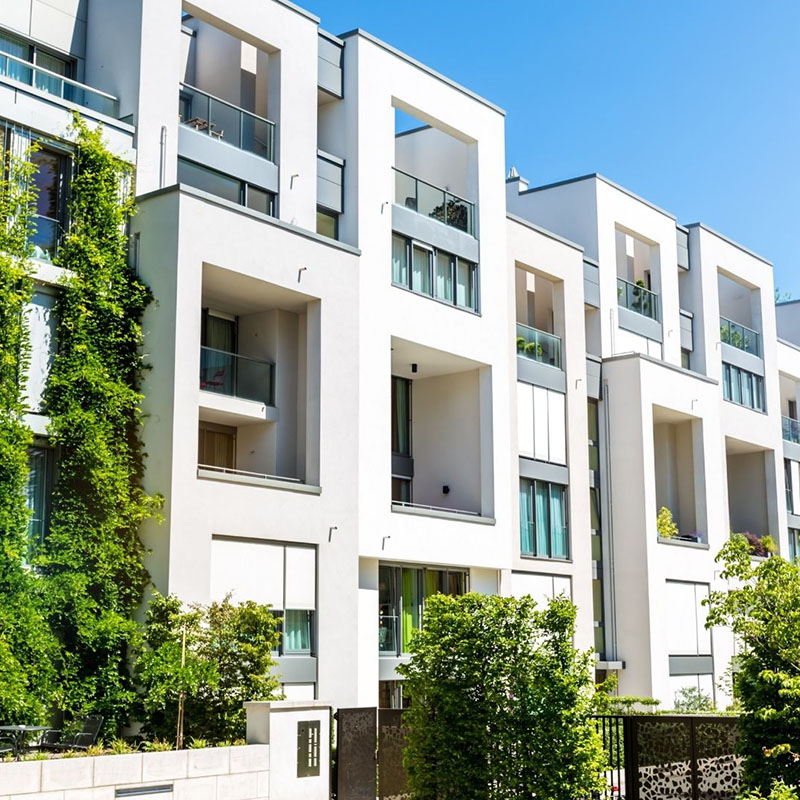
After several years of constrained housing delivery, Australia is finally seeing a meaningful lift in building approvals, particularly in the apartment sector. According to the latest Australian Bureau of Statistics data, total house approvals increased by 3.2 percent in the 12 months to November 2025. More strikingly, approvals for units and apartments surged by 55.3 percent over the same period.
This sharp rise in unit approvals reflects a growing recognition that higher-density housing will be essential to addressing Australia’s housing shortfall. Detached housing alone cannot meet demand in land-constrained urban areas, particularly close to employment centres, transport corridors, and established amenities.
The November data showed an additional 18,406 dwellings approved nationally, with Queensland and Victoria leading the increase. These states continue to absorb a large share of population growth and are under pressure to expand housing supply accordingly. Apartments are increasingly the most viable way to deliver new housing at scale in these markets.
However, approvals are only the first step. The critical question is whether these approvals translate into actual construction activity. Commencements data, due for release in late January, will provide clearer insight into whether projects are moving beyond the planning stage. Rising construction costs, labour shortages, and financing challenges remain significant hurdles for developers.
The ABS has described the recent approval figures as fairly strong, particularly given the challenging construction environment. From a policy perspective, the increase is welcome, but industry groups caution that current levels of building activity remain well below what is required to meet national housing targets.
The Master Builders Association has noted that while rising approvals are encouraging, the pace of construction still falls short of what is needed to close the housing supply gap. This mismatch between demand and delivery continues to underpin tight rental markets and price resilience, particularly in established locations.
From a buyer’s perspective, increased apartment supply does not automatically lead to weaker prices. Much of the new stock is filling an existing shortage rather than creating excess supply. In many inner and middle-ring suburbs, vacancy rates remain low and demand for quality apartments remains strong.
Importantly, not all apartments are created equal. Building quality, layout efficiency, owner-occupier appeal, and long-term maintenance costs all influence performance. Buyers who focus on well-located, well-designed apartments in supply-constrained areas are often better positioned than those who chase sheer volume.
The rise in apartment approvals signals a shift in how Australia is attempting to solve its housing challenge. Whether it succeeds will depend on how much of that approved stock is actually built.