The nation’s residential property market in 2025 has defied early-year expectations, delivering growth that comfortably surpasses decade-long averages despite widespread concerns about affordability and borrowing constraints.
Across the country, dwelling values are positioned to end the year at least 8% higher, according to Cotality’s annual Best of the Best report. This national upswing highlights a consistent, broad-based resilience across both capital cities and regional areas, even in markets that entered the year under evident pressure.
Across the country, dwelling values are positioned to end the year at least 8% higher, according to Cotality’s annual Best of the Bestreport. This national upswing highlights a consistent, broad-based resilience across both capital cities and regional areas, even in markets that entered the year under evident pressure.
Cotality Australia’s Head of Research, Eliza Owen, says the pattern of growth in 2025 reflects an interplay of policy, economic recalibration and persistent supply shortages. She notes that while affordability issues were considerable at the start of the year, price momentum continued to build as the Reserve Bank initiated interest-rate reductions and inflation slowly eased. These shifts revived buyer optimism and boosted activity, particularly in markets that had stalled during the tightening cycle. “Interest rate cuts, easing inflation and limited supply reignited competition,” she says.
The constricted supply environment has been one of the defining themes of the year. New listings have remained subdued relative to historical averages, and construction pipelines have been unable to expand sufficiently to keep pace with underlying demand. Owen explains that this imbalance meant even modest rises in buyer interest produced measurable upward pressure on prices. In many cases, demand did not need to surge—mere consistency was enough to lift values where stock was scarce.
Affordability dynamics also shaped which markets performed strongest. More affordable suburbs and regions—those with lower entry prices—experienced the fastest acceleration. Buyers grappling with higher living costs and a cautious lending environment sought out suburbs where budgets stretched further. These markets, already characterised by lower median values, benefitted from the influx of price-sensitive purchasers who redirected their search away from premium suburbs.
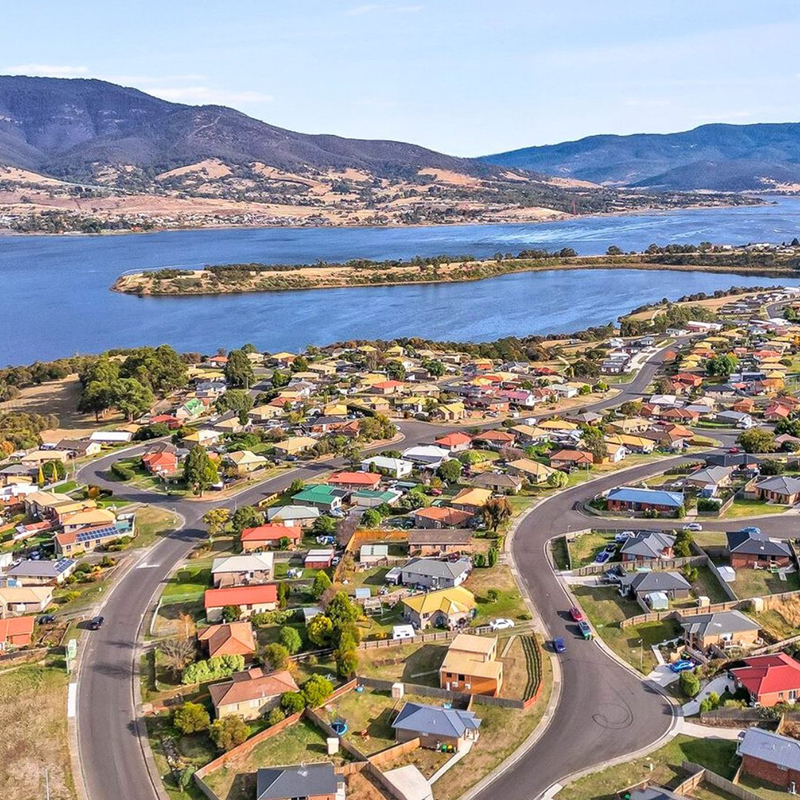
This divergence pushed the gap between entry-level markets and luxury areas even wider. At the top end, Sydney’s Point Piper reached a new benchmark with a median house value of $17.3 million—Australia’s highest. Meanwhile, the most affordable capital-city markets sat thousands of kilometres away in Greater Hobart, with suburbs such as Gagebrook, Herdsmans Cove and Bridgewater posting house medians below $450,000. These contrasting figures illustrate the country’s growing stratification in housing costs.
Despite 2025’s robust performance, Owen anticipates more restrained conditions ahead in 2026. She says borrowing capacity limits, tighter credit assessments and persistent affordability challenges will put natural boundaries on how far prices can climb. While she does not expect widespread declines, she forecasts a slower pace of growth and a more cautious market tone. This moderation, she notes, could bring a healthier balance between buyers and sellers after several years of price surges.
Looking ahead, policymakers, buyers and industry professionals remain attuned to how supply shortages, interest-rate settings and migration will influence next year’s landscape. The momentum established in 2025 demonstrates the enduring strength of Australia’s housing market, yet it simultaneously underscores the urgency of long-term solutions to improve affordability, diversify housing options and restore supply levels. While the year’s outcomes have exceeded expectations, the path forward will require structural adjustments to support sustainable growth.