High end residential property is experiencing renewed interest across major metropolitan markets, particularly in the luxury apartment sector. Over the past decade, demand for prestige apartments has expanded significantly, reflecting changes in lifestyle preferences and the limited supply of premium properties.
Sales data shows that prestige apartment transactions have almost tripled during the past ten years, highlighting a growing appetite for high quality apartment living in desirable urban locations.
Michelle Ciesielski from McGrath Research notes that listings for prestige properties remain relatively scarce. The shortage of available high end homes has strengthened the market, pushing prices upward and intensifying competition among buyers.
Limited supply often has a powerful impact in prestige markets. When fewer properties are available, buyers seeking luxury homes may compete more aggressively, particularly if the property offers unique features or an exceptional location.
This dynamic has reshaped buyer preferences in several ways. Premium apartment living has become increasingly attractive to buyers who value convenience, security, and proximity to lifestyle amenities. Modern luxury apartments often include high quality finishes, shared facilities, and prime city locations.
Geographically, the distribution of prestige apartment sales has changed considerably over the past decade. In 2015, Victoria accounted for 49% of prestige apartment sales, making it the dominant market at the time. New South Wales followed with 36%, while Queensland represented 15% of sales.
The market landscape looks very different today. By 2025, Queensland held the largest share of prestige apartment sales at 43%, narrowly ahead of New South Wales with 41%, while Victoria’s share declined to 16%.
This shift highlights the increasing prominence of Queensland within the prestige property sector. Buyers seeking luxury apartments are now showing greater interest in markets beyond the traditional dominance of Melbourne and Sydney.
Regional Queensland has also emerged as an important contributor to prestige apartment sales. In 2025, regional areas accounted for 23% of prestige apartment transactions, demonstrating the broader geographic appeal of high end properties.
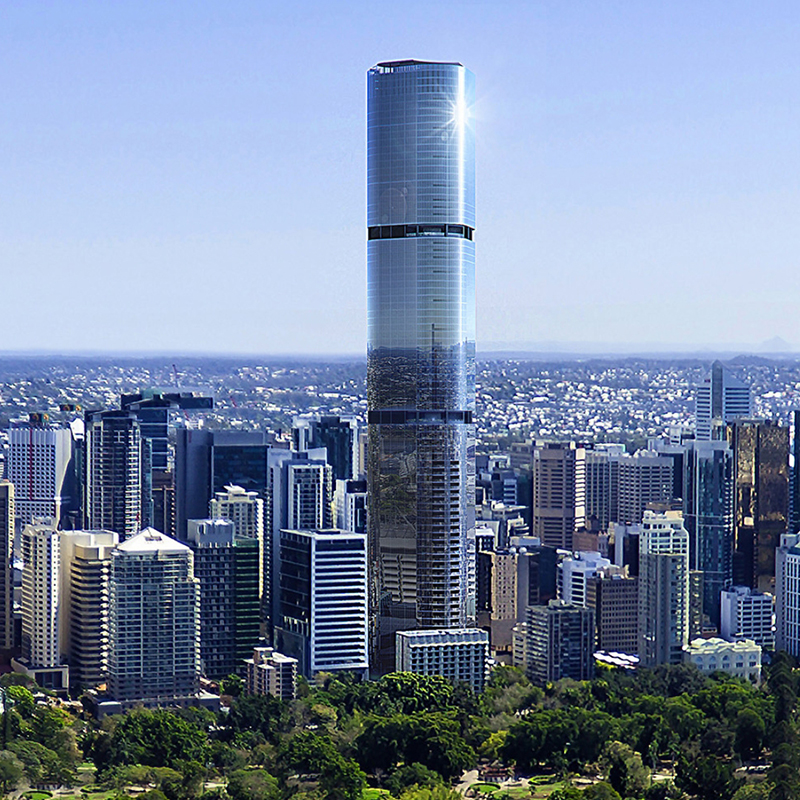
Brisbane is rapidly gaining recognition as a major prestige apartment hub. The city’s growing reputation is supported by strong economic activity, infrastructure investment, and increasing population growth.
Preparations for the 2032 Olympic Games have also accelerated development across the city. Significant infrastructure spending linked to the event is expected to transform key precincts and attract further investment into residential property.
Luxury apartment developments are often located in areas benefiting from improved transport, entertainment, and waterfront access. As these projects progress, Brisbane’s prestige market may continue to expand and attract buyers from interstate and overseas.
Changing lifestyle preferences are also influencing demand. Some buyers prefer the convenience and lower maintenance of apartment living while still enjoying high quality design and premium amenities.
For downsizers, professionals, and international investors, prestige apartments offer an appealing combination of location, lifestyle, and long term value.
Overall, the surge in prestige apartment sales demonstrates how luxury property markets continue to evolve. As supply remains limited and demand increases, competition for premium homes is likely to remain strong.